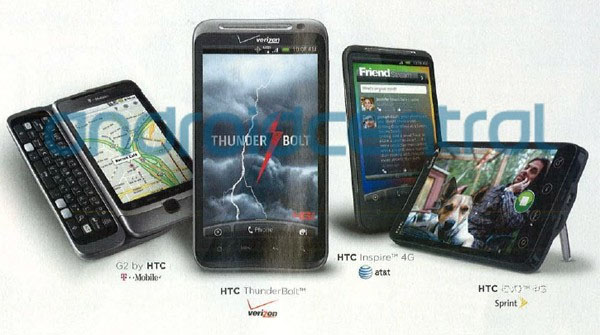
The ads on television are daily and almost non-stop. AT&T and Verizon Wireless have been bombarding everyone about their new 4G networks that you need and they can supply.
The questions are what the heck is 4G and do I really need this?
Ezinemark.com offers this explanation posted Jan 31, 2011
This label which, in a simple explanation, stands for the ‘fourth generation’ of mobile technology has a multitude of definitions behind it. Having no singular predetermined industry standard has made it hard to put numbers and labels on exactly how much faster different plans will be. Each provider might be using a different method or source for the network (such as LTE or WiMax) but the basic idea is that the speed is far faster than old 3g networks. As many will remember 3g wireless networks took people from being able to access basic internet and basic information to being able to use images, videos and other media right from their phones. The 3g wireless networks are what allowed people to access basic internet, social networking websites, email and more from their mobile phones or mobile internet devices. Now, 4g wireless internet will allow them to use not only their mobile phones but their notebook or laptop computers to use the full range of internet functions they would on a home, school or office full terrestrial broadband connection only while on the go!
This was posted by money.cnn on Feb 23, 2010
Despite claims from mobile phone carriers, the next generation of mobile technology, or 4G, will only be slightly faster than current 3G speeds, at least initially.
Massive costs, soaring consumer demand for data and the logistical nightmare of setting up tens of thousands of new cell sites will prevent 4G technology from reaching its promised speeds for years, according to carriers and wireless experts.
True 4G must generate speeds of at least 100 megabits per second, according to the International Telecommunication Union. Current 3G technology offers speeds of up to 2 megabits per second and broadband delivers 5 megabits per second to the average U.S. household.
 Coast Contact