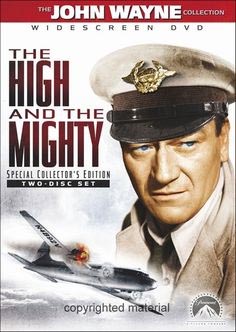
 John Wayne was a mediocre actor. Watch his movies and you will hear his stiff unemotional delivery of his lines.
No one was more a hero in World War II than John Wayne. At least that’s what the aliens will think when they view the historical footage documented in old Hollywood reels such as the Sands of Iwo Jima (1949), Flying Tigers (1942), and The Longest Day (1962). Of course, we know better now. But if you’re a child of World War II, who reveled in the Duke’s onscreen heroics while welling up with pride, maybe there’s still some wiggle room to take solace in. For everyone else, fire away.
He received a 3-A deferment from the draft for family dependency since he was a father of four and had just made Stagecoach (1939) as a then unknown actor. That film also began a career of collaboration with John Ford, the iconic director who had his eye on Wayne since his days as a football player at USC and the numerous stand-in and stuntman roles he performed in previous westerns.
In real life John Wayne was no hero. He never served in the military. He was also a racist. In a 1971 Playboy interview Wayne said “I believe in white supremacy until the blacks are educated to a point of responsibility. I don’t believe in giving authority and positions of leadership and judgment to irresponsible people.” Also in the interview, Wayne, whose Western films like “The Searchers” were accused of perpetuating stereotypes about Native Americans, accused Native Americans of “selfishly trying to keep (North America) to themselves.”
Why the Orange County California airport changed its name to John Wayne Airport will forever be a mystery.
 Coast Contact