I’m scheduled to be vaccinated on this coming Saturday. I have an appointment. The new vaccine will probably prevent me from getting sick with Covid. No one knows yet whether that will keep me from spreading the virus to others.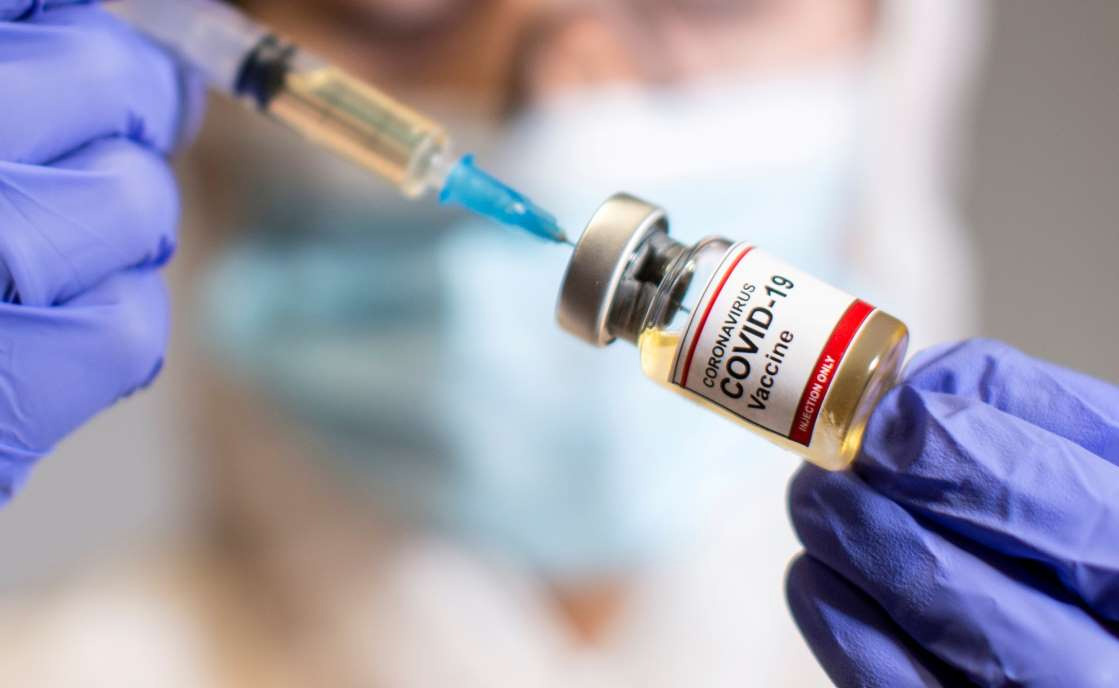
It may seem counterintuitive, but health officials say that even after you get vaccinated against COVID-19, you still need to practice the usual pandemic precautions, at least for a while. That means steering clear of crowds, continuing to wear a good mask in public, maintaining 6 feet or more of distance from people outside your household and frequently washing your hands.
The new Covid-19 vaccines from Pfizer and Moderna seem to be remarkably good at preventing serious illness. But it’s unclear how well they will curb the spread of the coronavirus.
That’s because the Pfizer and Moderna trials tracked only how many vaccinated people became sick with Covid-19. That leaves open the possibility that some vaccinated people get infected without developing symptoms, and could then silently transmit the virus — especially if they come in close contact with others or stop wearing masks.
Before approving the Moderna and Pfizer vaccines, the FDA asked the vaccine manufacturers only whether their products protect people from COVID-19 symptoms. They didn’t ask if the vaccines stop people who’ve been vaccinated from nevertheless spreading the virus to others. The emergency authorizations by the FDA that have allowed distribution of the two new vaccines cite only their ability to keep you — the person vaccinated — from becoming severely sick with COVID-19.
The Washington Post daily tracker indicates a very slow vaccination rate of less than 1% new recipients daily. That sends the message that unless there is a consequential increase in available vaccine we will be waring masks for all of 2021.
 Coast Contact