Owners would have to pay assessments ranging from $80,190 for one-bedroom units to $336,135 for the owner of the building’s four-bedroom penthouse, a document sent to the building’s residents said. The deadline to pay upfront or choose paying a monthly fee lasting 15 years was July 1. The association had just $800,000 in reserves.
The building was in a desirable location. Owners pocketed impressive returns when sold. All, except one apartment, sold for more than double the purchase price. Unit 508, a 1,683-square-foot condo sold for $800,000 in February, more than doubling its 2012 sale price of $370,000.
An HOA commonly maintains a type of savings account called the cash reserves or a reserve account for significant, infrequent, or unexpected common area costs.
When a development’s homeowner’s’ association (HOA) encounters large or unexpected expenses, the HOA needs money to repair or replace the damage. For example, what if a clubhouse roof starts leaking, the pool needs resealing, or a piece of equipment in the fitness room breaks down? At times like these, it is wise for HOAs to have a reserve account.
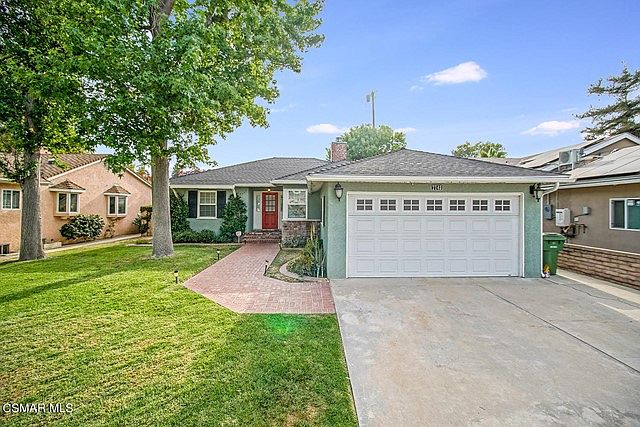
Reserves for single family homes isn’t a bad idea either. When the bathroom tub backed up in my home the plumber said he needed to install a drain cleaning opening under the house. After he crawled under the house he reported that the main sewer line was leaking in many places. Cost for replacing the sewer system under the house was $5,000. There was no reserve fund. There was the retirement investments and that paid the bill. A similar situation resulted in installing new copper plumbing for another $5,500. Termites are lurking and the roof is 30 years old.
Owning a house is expensive but it provides us a place for both privacy and fun.
 Coast Contact