For most Americans who remember it, the end of the Vietnam War is inextricably linked with images of chaos: desperate residents of Saigon climbing the walls of the U.S. embassy, sailors on navy vessels pushing helicopters overboard to make room for more refugees. Few people know the full story behind the city’s controversial mass-evacuation in April 1975. Told by survivors and key figures in the exodus, Last Days in Vietnam unearthed new footage and reexamines those events in a way that raises questions about contemporary conflicts in Irag, Afghanistan, and with ISIS.
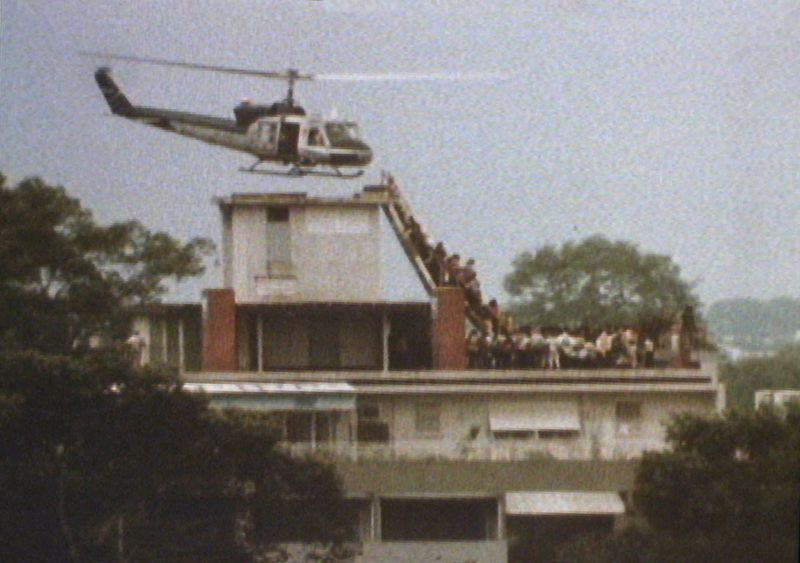
The final 24 hours of the Vietnam War were no less ugly than all the years that preceded them. This grainy photo says it all.
It was reported repeatedly that Afghanistan’s army was four times the size of the Taliban’s fighting force. That the Afghanistan army had all of the latest weaponry. The army had 20 years of training by the United States army. Despite those facts the Afghanistan army disintegrated when confronted by Taliban forces.
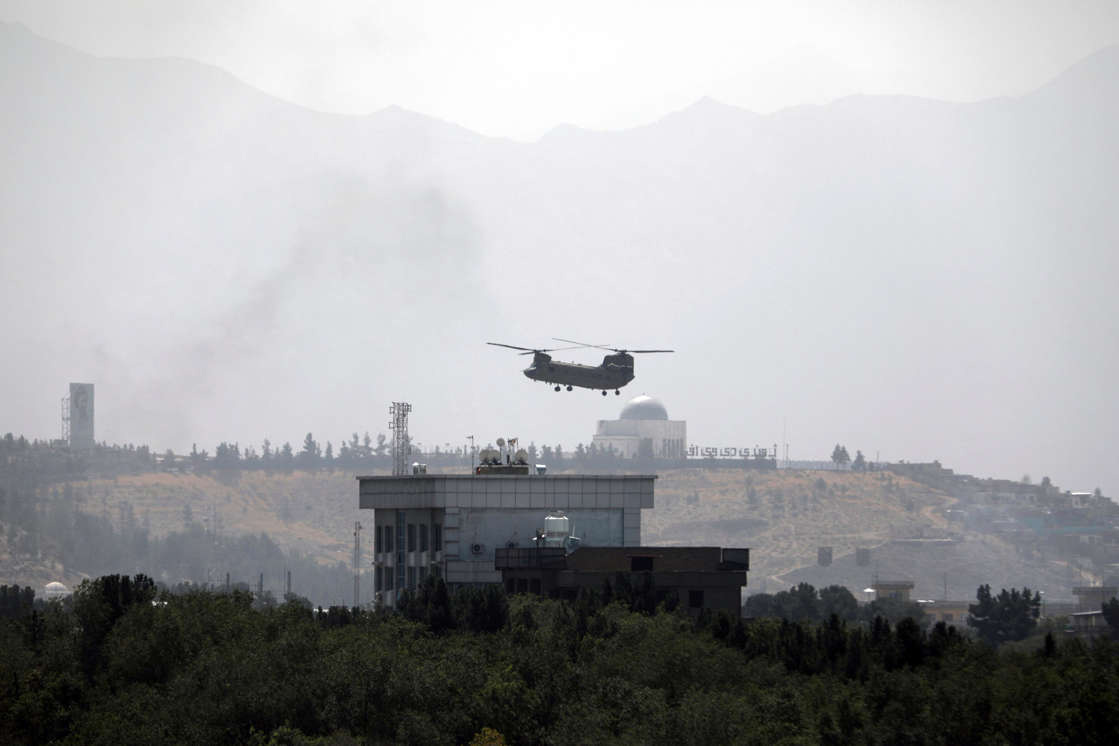
The American flag has been taken down at the Kabul embassy. The president of Afghanistan has reportedly left the country. Afghan aides to the US military (translators, interpreters, and other who worked in the US embassy) fear for their lives and are searching every avenue to leave their country.
Afghanistan is a tribal tribal country that historically was governed by an Emir. An Emir is not a king. He is selected by the tribes. The population of the country consists of numerous ethnolinguistic groups: Pashtun, Tajik, Hazara, Uzbek, Aimaq, Turkmen, Baloch, Pashai, Nuristani, Gujjar, Arab, Brahui, Qizilbash, Pamiri, Kyrgyz, Sadat and others.
The Western world has tried to install democracy in Afghanistan for more than 100 years. They are happy with their way of life that is guided by the Koran.
Undoubtedly there will be a movie titled “Last Days in Afghanistan.”
 Coast Contact