The Colorado River, major river of North America, rising in the Rocky Mountains of Colorado, U.S., and flowing generally west and south for 1,450 miles (2,330 kilometres) into the Gulf of California in northwestern Mexico.
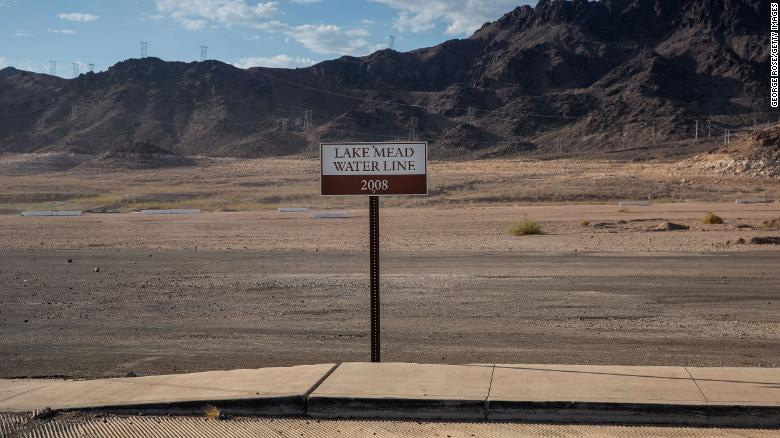
The Colorado River basin is drying up thanks to less snow and rain. Sadly the seven states are not working together to find an equitable agreement on sharing the shrinking amount of available water.
After Colorado River Basin states failed to meet a deadline for emergency drought reductions, the U.S. Bureau of Reclamation said it would continue to work with affected states and tribes to reach an agreement.
Lake Powell and Lake Mead are at historically low levels and risk falling to “dead pool” status, which would mean there isn’t enough water to generate hydroelectricity for the tens of millions of people that rely on it, according to United Nations Environment Programme.

The seven states that benefit from the Colorado basin have been told to develop plans to drastically reduce water use by 2 million to 4 million acre-feet, but talks have grown acrimonious. At a press conference Tuesday, federal officials said that an agreement was urgently needed and that it was also declaring a tier 2 shortage for the next water year.
Under tier 2 shortage conditions, Arizona’s annual water apportionment will be reduce by 21%, Nevada’s by 8% and Mexico’s by 7%. There is no required water savings contribution for California however.
This situation will undoubtedly lead to a court fight over how much water each state must reduce consumption. There have been growing tensions between the states of the river’s Lower Basin — California, Arizona and Nevada — and those of the Upper Basin — Colorado, Wyoming, New Mexico and Utah.
A few calm meetings would be far better than a court fight.
 Coast Contact
I fear the future holds many fights over water