Billings, Montana is not the home of a large Jewish population. I found there are estimates of 5,000 Jews in all of Montana.
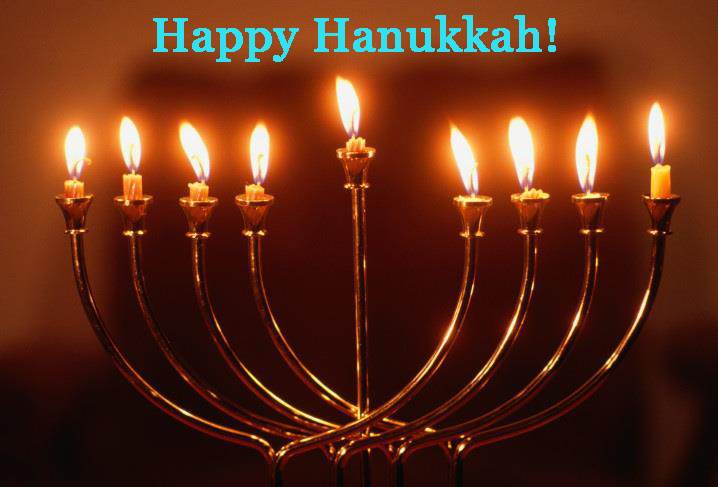
Jews light the menorah during Hanukkah to remember the miraculous triumph of the Maccabee in ancient times, lighting one candle each night for eight nights. Classical Jewish texts recommend placing menorahs in windows of homes to publicize the celebration of a miracle.
“In that way, in a sense, the light will be spread,” says Rabbi Rick Jacobs, president of the Union for Reform Judaism. “The light of understanding, the light of tolerance, the light of Jewish identity, all of those.”
But will a menorah in a window really make a difference in the fight against antisemitism?
It can – and has.
Look no further than the town of Billings, Montana, whose citizens fought back in 1993 after someone launched a brick through the window of then 5-year-old Isaac Schnitzer’s bedroom. A menorah in the window sparked the attack, according to The New York Times. The Billings Gazette published a menorah drawing in response, and thousands hung these makeshift menorahs on their windows. Jews and non-Jews alike.
The Billings Gazette is recreating the full-page menorah ad this year and will ask the community to repeat history and place them in their windows. The move comes after swastikas and threatening messages recently appeared at a local high school.
“It’s important to mark this anniversary because we don’t ever want to forget the power of love,” Cole says. “Common decency is more powerful than hate.”
Billings is working with Shine A Light, a coalition of organizations raising awareness about antisemitism. In addition to engaging several local communities like Billings, the group has partnered with corporations like Google, iHeart Media and Airbnb.
All this begs the question, about 30 years later, “what’s the wider community able to do to make Jewish families and the Jewish community feel more secure, at a very insecure moment?” asks Jacobs.
Menorahs in public spaces this time of year suggests solidarity.
“It’s a statement against antisemitism broadly given what has been happening,” Neufeld says. “It’s a sign of allyship to Jews, that they are not alone, and that these attacks affect everyone. It’s also a deep recognition that antisemitism doesn’t just affect Jews, but affects everybody, that it is part of the conspiratorial glue, that is key to so much of hate in society today.”
 Coast Contact