The Price of Politics

The following Letter to the editor in the Los Angeles Times on June 11, 2010 bears re-printing.  Obviously I couldn’t agree more. 

Re “Whitman and Fiorina roll to wins,” June 9

That former executives Meg Whitman and Carly Fiorina won important primaries serves as an example that the United States has the best elections money can buy.

Both women threw millions of their own money into their campaigns, seeking to buy their way into office.

My state had clean elections to level the playing field until it was halted by the Supreme Court, as a result of a Republican challenge. Politicians should be elected because they’re the best person for the job, not because they’ve got the most money. Elections in California and elsewhere are held hostage to the almighty dollar. The real losers are the American people.

Debra White

Tempe, Ariz.

Meg Whitman reportedly spent $80 million dollars to win.  $70 million dollars was her money.  Carly Fiorina reportedly spent $5 million dollars of her own money.

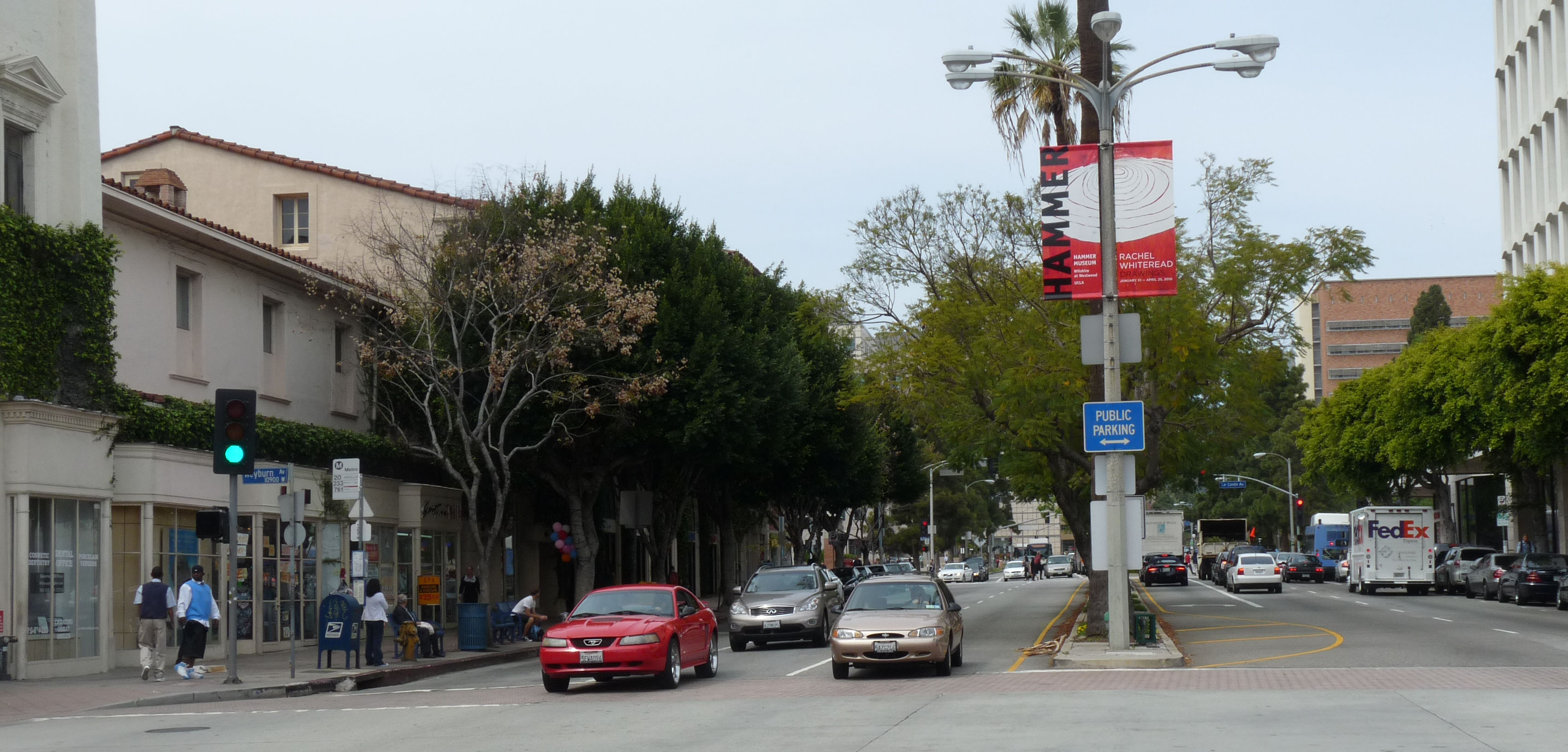
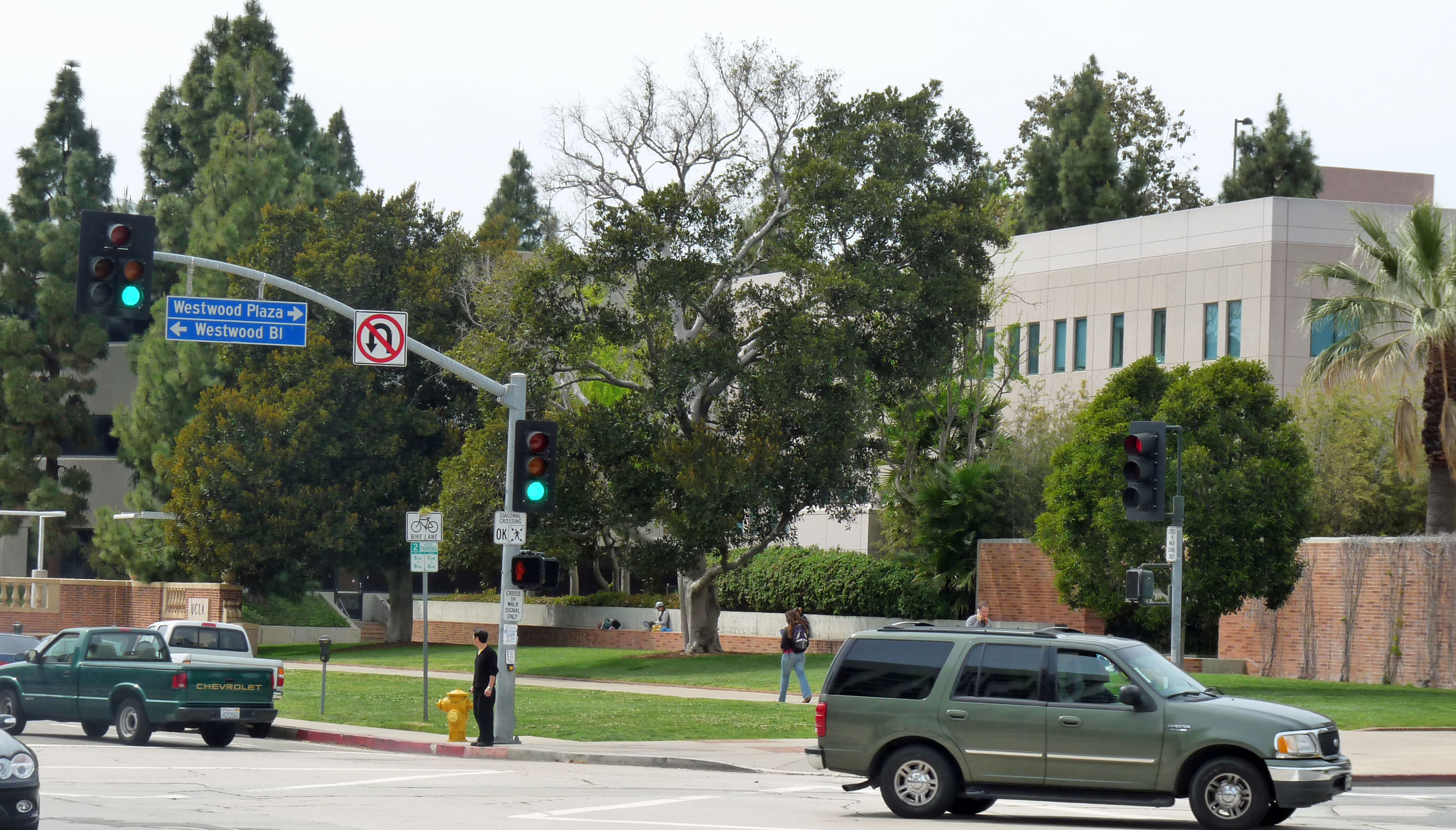
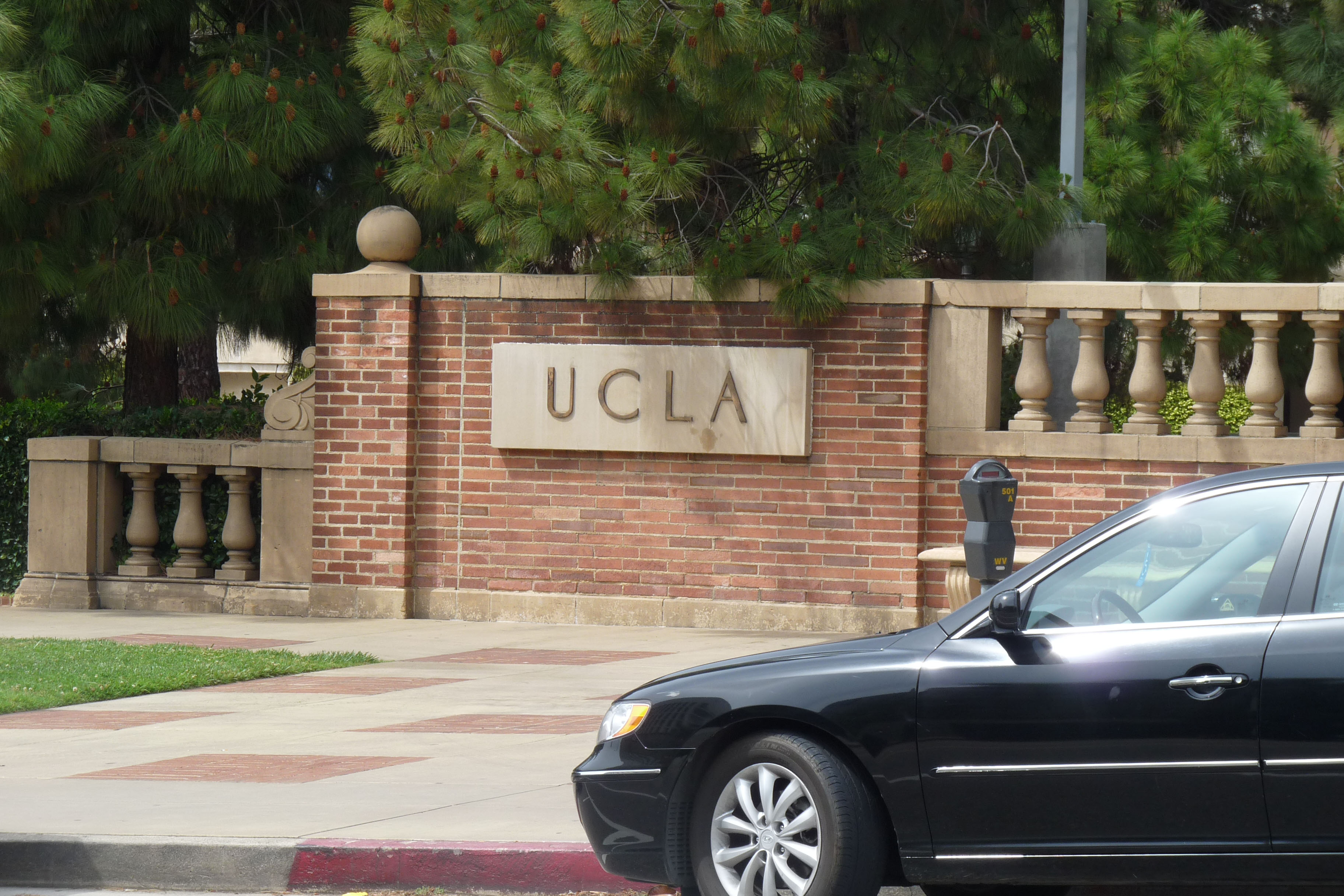
Westwood is the Home of UCLA

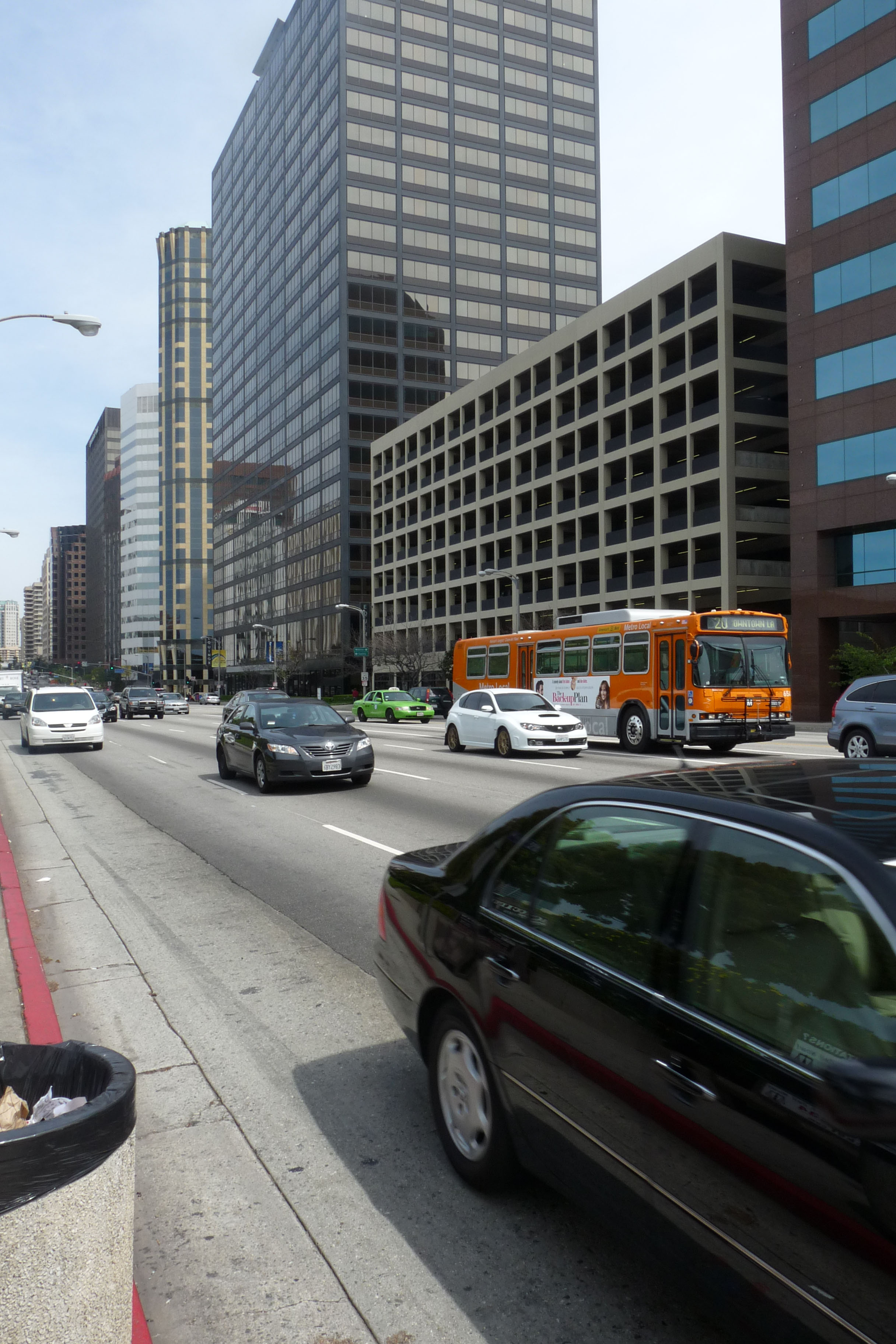
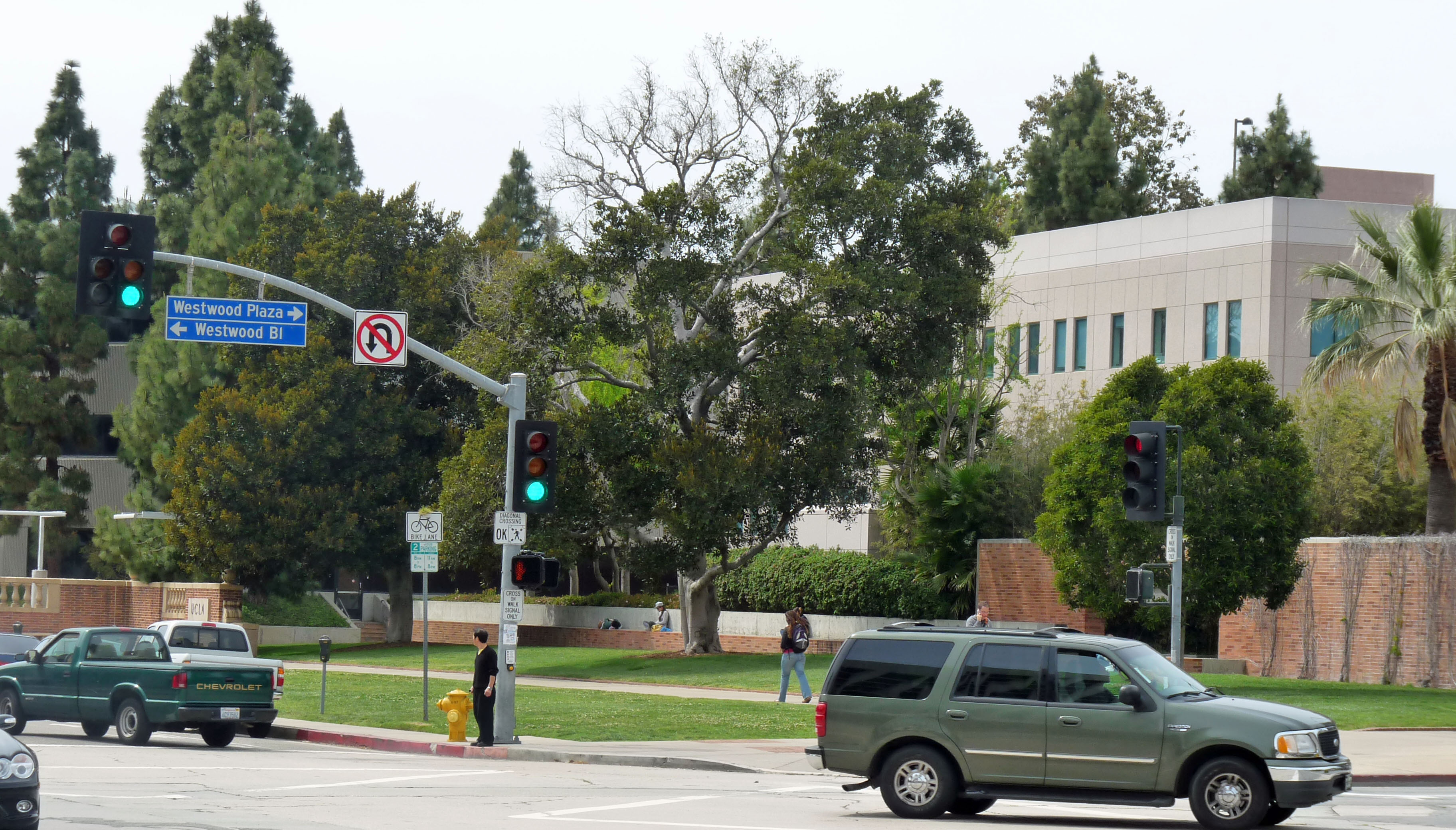
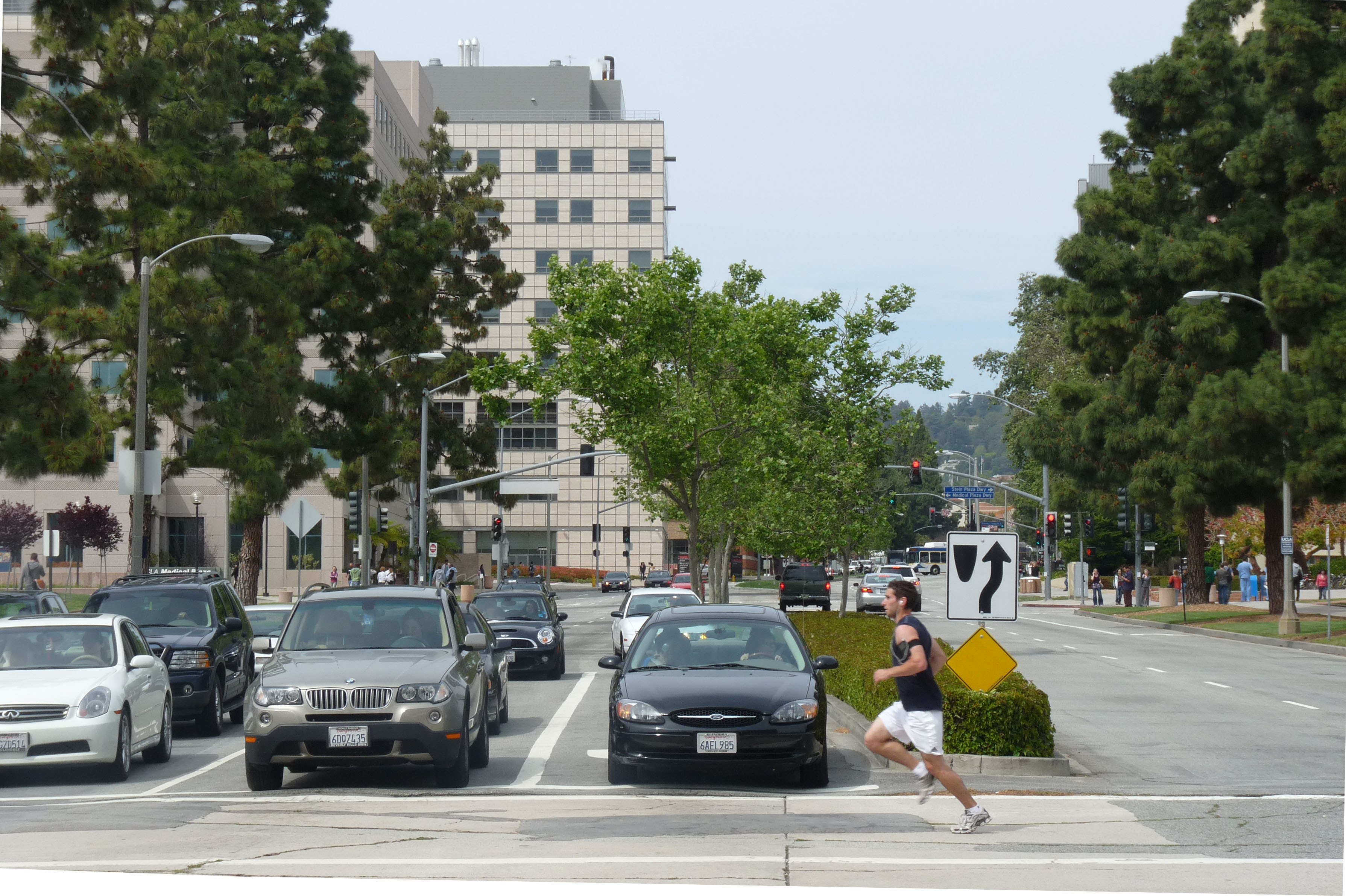
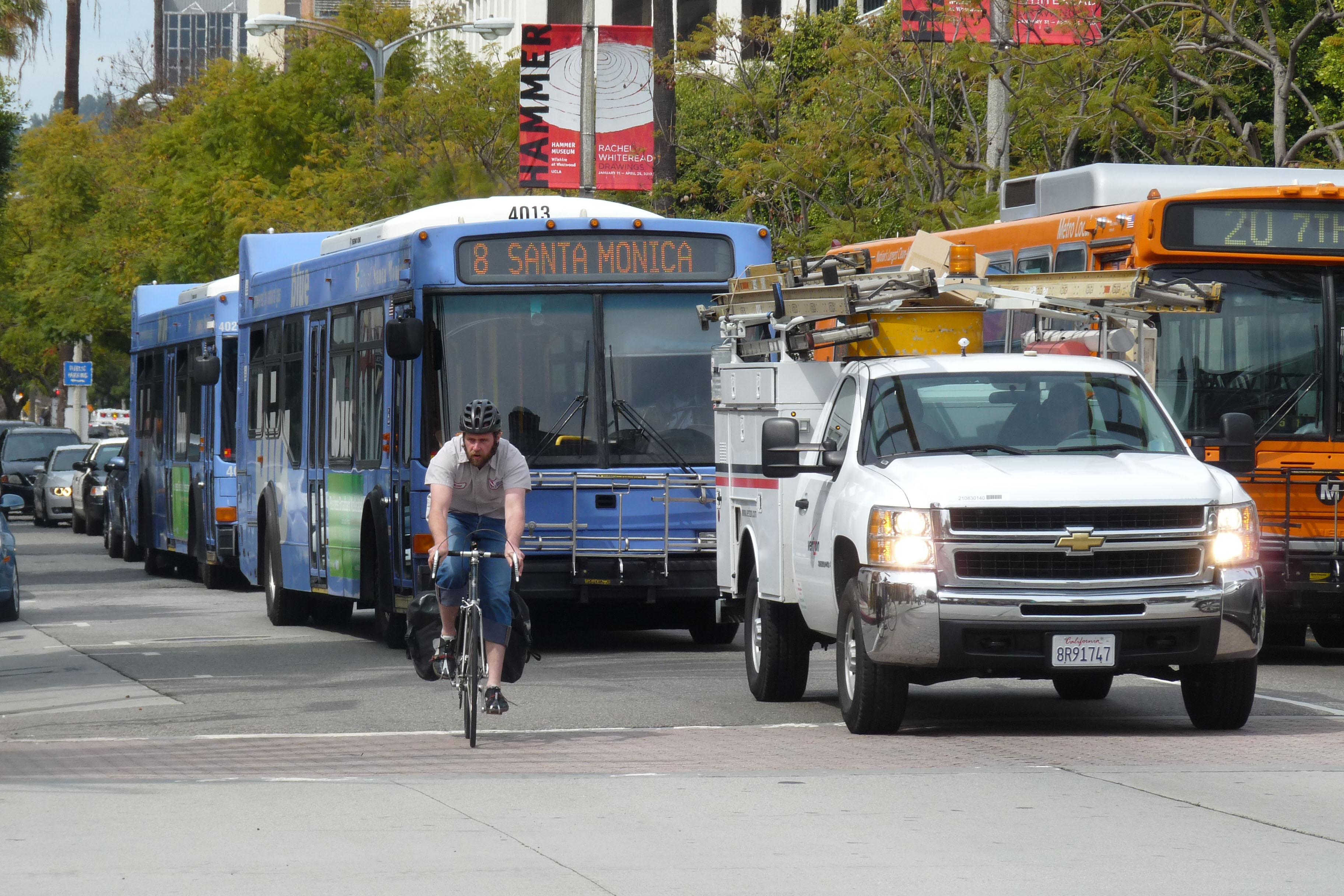
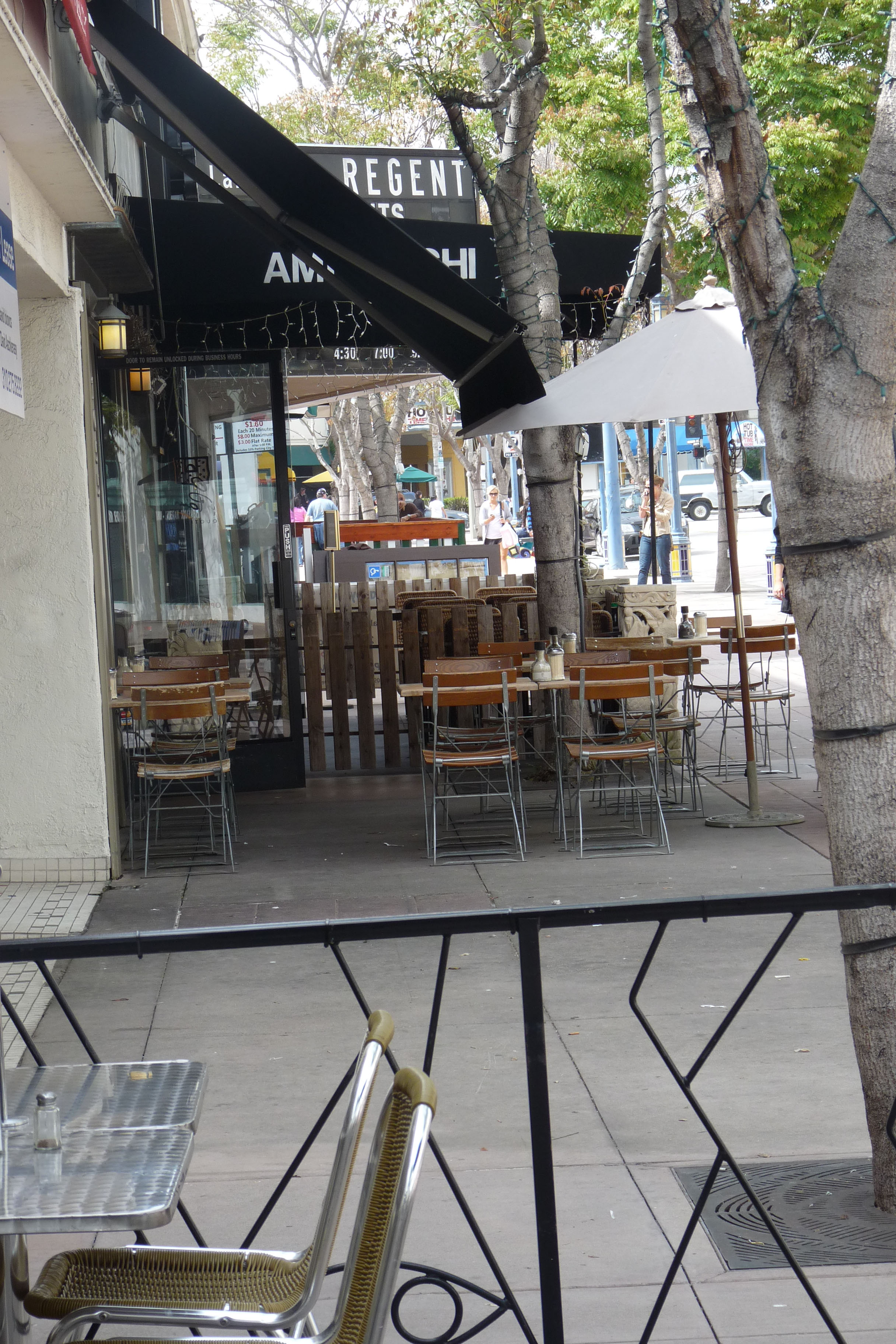
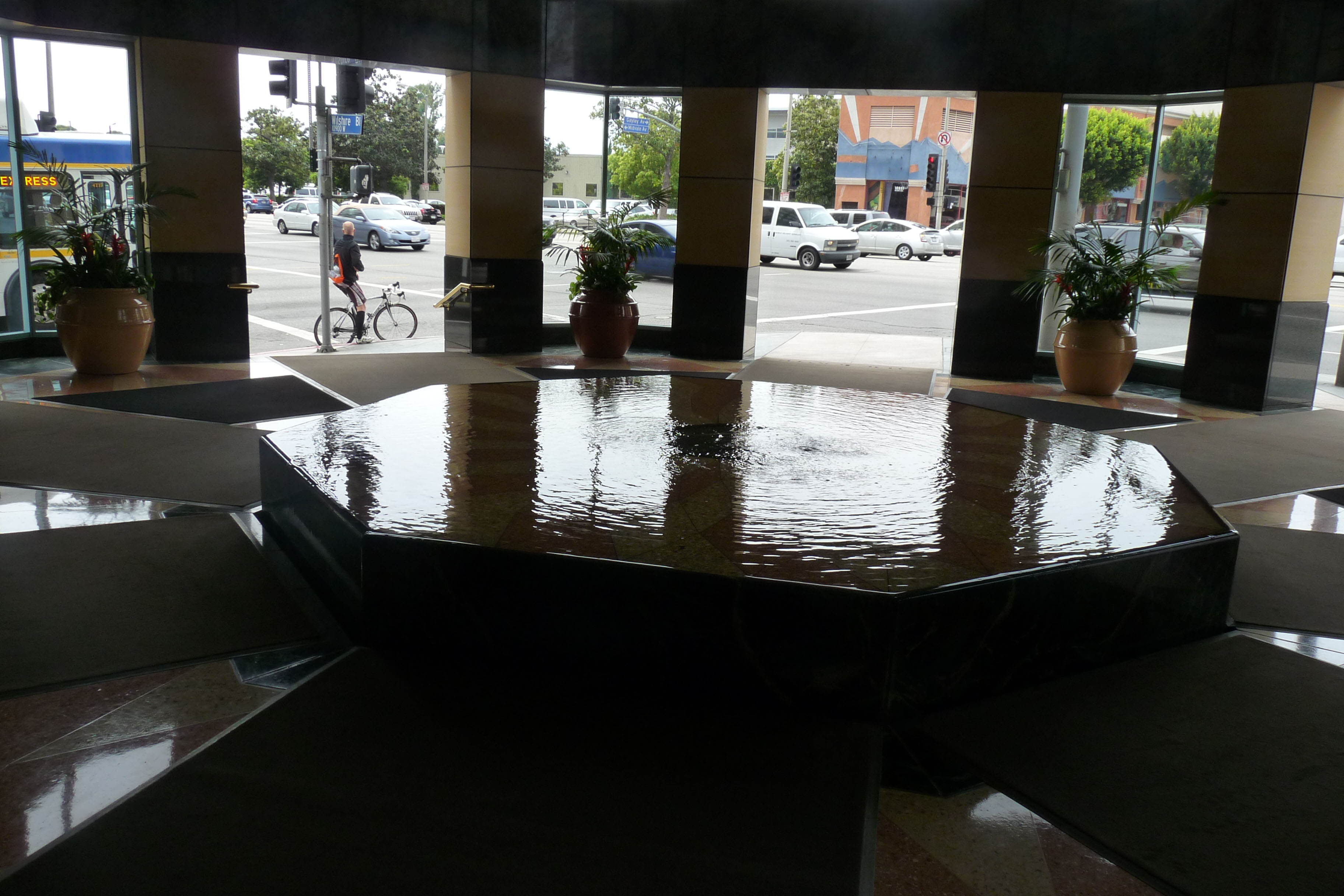
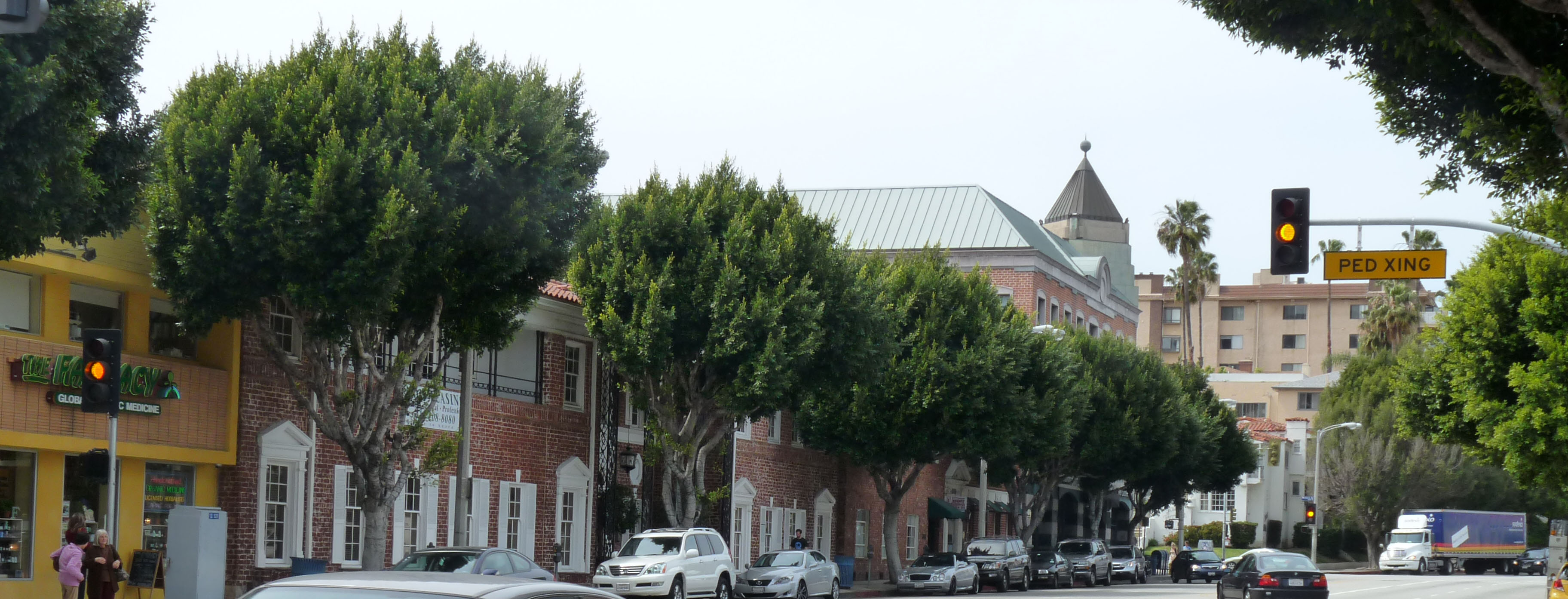
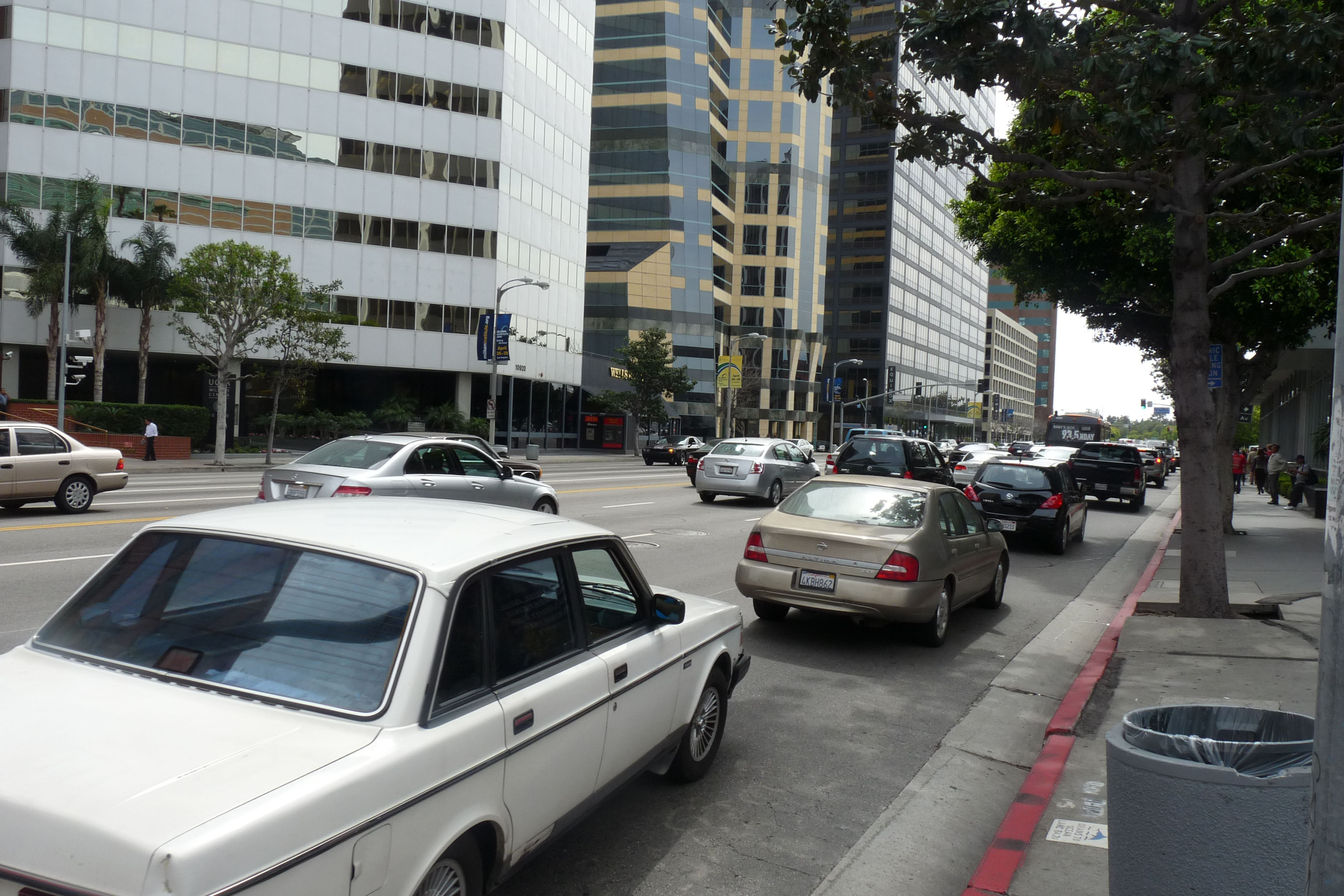
Westwood Village offers some great photo opportunities.  The Village adjoins the UCLA campus.  Typically the streets of the Village are filled with students.  Wilshire Boulevard is just a few blocks from the south entrance to the campus and has become a mini downtown of high-rise offices.  The primary Los Angeles Federal Building is there too.  I went there expecting to find a demonstration against Iran but all was quiet.  So instead I ventured the streets of the village for these photos.  The index finger provides the description.  These photos will be added to the Los Angeles Gallery at the top of this blog. 

Has Israel Gone Too Far? The Dilemma

Ordinary Gazans hurt most by 3-year blockade

While I support Israel’s right to defend itself, I do not support the idea of denying human rights.  Israelis have gone to extremes if we are to believe this Associated Press story that I will summarize here.

Three out of four factories in Gaza have closed because they can’t import or export. Legitimate businesses have been replaced by a Hamas-controlled black market economy. Millions of gallons of sewage are pumped into the sea every day because a lack of spare parts holds up infrastructure repairs.

Those suffering most from the blockade by Egypt and Israel are ordinary Gazans.  They include tens of thousands who lost their jobs as a result of the blockade.  For now, Israel only allows in a few dozen types of goods, such as potato chips, frozen meats and medicines, but bans raw materials, including construction supplies, and virtually all exports.

As a result, more than 70 percent of Gaza’s 3,900 factories are closed or operating at minimal capacity. Eighty percent of Gazans receive humanitarian aid, up from 63 percent in 2006, the U.N. says.  Some 300,000 have no income at all, a threefold increase over the course of a year.

The problem is that Gazans continue to support the idea that Israel has no right to even exist.  For the most part they support the idea that all Jews should leave Israel.  The irony is that Gaza is looking more and more like Masada.  Israelis face an impossible situation that they cannot resolve without participation of the Palestinians.  Perhaps they have no other choice then the one they have chosen.  Who in this world can offer a more reasonable path?

Obama, Israel & American Jews: The Challenge—A Symposium

This symposium was sponsored by The Economist magazine.  Jews are usually strong supporters of Democratic candidates.  The writings of these leading persons leads me to believe Jews may not be overwhelmingly in the Democratic Party camp.  

We asked 31 prominent American Jews to respond to this statement:

The open conflict between the Obama administration and the government of Benjamin Netanyahu has created tensions between the United States and Israel of a kind not seen since the days of the administration of the first President Bush. And those tensions are placing unique pressure on American Jews, who voted for Barack Obama by a margin of nearly 4-to-1 in 2008 after being assured by Obama himself and by his supporters in the Jewish community that he was a friend and an ally of the State of Israel despite his long association with, among others, the unabashedly anti-Israel and anti-Semitic Reverend Jeremiah Wright.

We argue that American Jews are facing an unprecedented political challenge, and at a crucial moment, with the need to address the existential threat to Israel—and by extension to the future of the Jewish people as a whole—from a potentially nuclear Iran. How will American Jews handle this challenge? Can Obama’s Jewish supporters act in a way that will change the unmistakable direction of current American policy emanating from the White House? Will American Jews accept Barack Obama’s view that the state of Israel bears some responsibility for the loss of American “blood and treasure” in the Middle East? Will they continue to extend their support to the Obama administration and to Barack Obama’s political party?

Their responses appear on the following pages in alphabetical order via Obama, Israel & American Jews: The Challenge—A Symposium.

The U.S.A. is in Trouble

The facts aren’t pretty.  The American economy is in a serious condition. 

New jobless unemployment claims peaked at 659,500 in the week ending April 4, 2009.  They fell to 441,250 in the week ending January 9, 2010.  The latest report listed those claims at 459,000 people.  The last four weeks have seen increases every week.  The reality is there has not been any improvement in the layoff picture in many months.  41,000 new private employer hires in May doesn’t even meet the needs of the growing population.

All the reports related to business have indicated an upward trend.  That translates to improved profits.

What we have here is proof that business can earn reasonable profits without the cost of hiring the 15 million people that the BLS admits to being unemployed.  The real number is probably in the range of 22 million people.

They keep telling us that America is a consumer driven economy.  If that is so then the United States is in for a long difficult period.  We just aren’t in the buying mood when so many of our friends and relatives are unemployed.

The rich aren’t even getting richer.  Well not as fast as the were.  The S&P 500 is slightly below its value at the end of December 2009.  Wisely those of us who use the rule that January’s stock market performance is an indicator of the coming year sold our holdings and invested in bonds.

A double dip recession appears to be a genuine possibility.

President Barack Obama has not brought “change we can believe in.”  He has let politics control his behavior.  He has not focused on one of America’s highest responsibilities.  Jobs, jobs, jobs.  Clearly he has no solutions.             

 Who does?

A voters’ guide to California’s 5 ballot measures

The unvarnished truth about the propositions on Tuesday’s ballot.


By George Skelton, Capitol Journal in the Los Angeles Times

June 3, 2010

From Sacramento —

It’s time again for some head-scratching and eye-glazing.

There are five propositions on Tuesday’s state ballot. And they run the gamut from a no-brainer to some efforts at Sacramento reform to a special-interest scam.

Here’s my voters’ guide, untainted — unlike those slick campaign mailers — by payoffs from politicians and predators.

Taking the measures in numerical order:

*Prop. 13 is only a distant, calm cousin of its namesake, the revolutionary property tax-cutter born 32 years ago.

This measure would allow earthquake retrofitting of all types of buildings without their owners ultimately being assessed higher property taxes because of the improvements. The structures would be reassessed only when sold.

This would create jobs and could save lives. What’s not to like?

*Prop. 14 would significantly change state elections by creating an open, more voter-friendly primary, called a “top-two.”

There would be only one ballot, open to all candidates and voters. The top two vote-getters, regardless of party, would advance to the general election, similar to the way local officials are elected in California. No party primaries. No party nominations. But candidates could list their party affiliations.

The goal is to force candidates to appeal to a wider range of voters than just the ideologues in their own party. Hopefully some pragmatic moderates would be elected, particularly to the Legislature, which is now polarized by partisanship. At the least, primary voters would be given a wider selection of candidates.

Power would be taken from the party pooh-bahs and given to the public. That’s one reason they fear it.

Politicians also complain that in some heavily Democratic or Republican districts, they might be required to run against a fellow party member in November, meaning real competition. That may be inconvenient for them. But it’s a better deal for voters, providing them with a more meaningful choice of candidates.

The only reason to vote “no” on Prop. 14 is if you’re satisfied with what has been happening in Sacramento. If you’d like to shake things up and try something different, vote “yes.”

*Prop. 15 would create a pilot program for public financing of state campaigns. It would apply only to candidates for secretary of state and just for the 2014 and 2018 elections.

The financing really wouldn’t be public. It would be unfair — tapping only lobbyists, their firms and the interests they represent. They’re easy targets.

But the most important element of this measure is not the pilot project. It’s repeal of the law that bans public financing of state candidates. The ban also applies to counties and most cities.

This measure would authorize the Legislature and the governor to enact public financing without further voter approval. Same with boards of supervisors and city councils.

The only way to rid the Capitol of special-interest dominance is for the public to finance the politicians’ campaigns. When the public doesn’t buy the politicians, the interests do.

This measure is a small, hesitant step along a path worth following.

*Prop. 16 is a Pacific Gas & Electric Co. scam. Pure and simple.

Its purpose is to lock PG&E customers into the utility’s grasp without any realistic opportunity of ever escaping to an electricity provider with cheaper rates. The San Francisco-based utility is trying to assure itself a monopoly on current Northern and Central California ratepayers.

This measure erects a practically impenetrable barrier for local governments or public utilities to start up or expand electric service, or contract with a provider other than a private utility.

It does this by requiring a two-thirds vote of the electorate. PG&E’s advertising is disingenuous because the utility equates its proposed two-thirds requirement with what’s needed for most local tax increases.

But Prop. 16 has nothing to do with taxes. We’re talking about ratepayers who most likely are being gouged for more money than they’d be paying a public utility for the same or better service.

Anyway, people already have the right to vote whether they want to be served by a public utility. But that’s not good enough for PG&E, because only a majority vote currently is required for approval.

This proposition would apply to the customers of any private utility, such as Southern California Edison or San Diego Gas & Electric. But only PG&E is paying the campaign freight, nearly $50 million.

There are many opponents — public utilities, local governments, irrigation districts, farmers, developers — but there’s very little opposition money. Public entities are prohibited from spending money on political campaigns. And that’s why they’d never be able to muster a two-thirds public vote to escape PG&E’s clutches.

This insidious measure is the epitome of what ails California’s initiative system.

*Prop. 17 is another special-interest offering.

The bankroller, Mercury Insurance Group, is trying to change auto insurance law to increase its market share. It wants to steal customers from other insurers by allowing motorists to bring along their continuous-coverage discounts.

Mercury claims most drivers would get reduced premiums. Opponents contend premiums actually would rise because rates would go up for the previously uninsured.

It’s much too complicated for an average voter who isn’t in the insurance biz. It’s one of those issues best left to elected representatives.

I’m inclined to agree with opponent Harvey Rosenfield, founder of Consumer Watchdog, who says: “When was the last time an insurance company spent $13 million to save you money? The answer is never.”

In fact, Mercury has spent $14.6 million to promote the measure.

Mark me down as suspicious.

george.skelton@latimes.com
Buying Insurance? Know the Company doing the Selling

Considering buying some new insurance?  Before you do, you need to know if the insurance company will be there when a claim is placed.  That goes for auto, health, and life insurance.  Consumer Reports directs its subscribers to TheStreet.comJust enter the company name and the insurance you are considering.  You may be delighted or dismayed.  I received both good and bad information.  Insurance companies have been known to go out of business.