Say it loud, say it proud. And never back down.
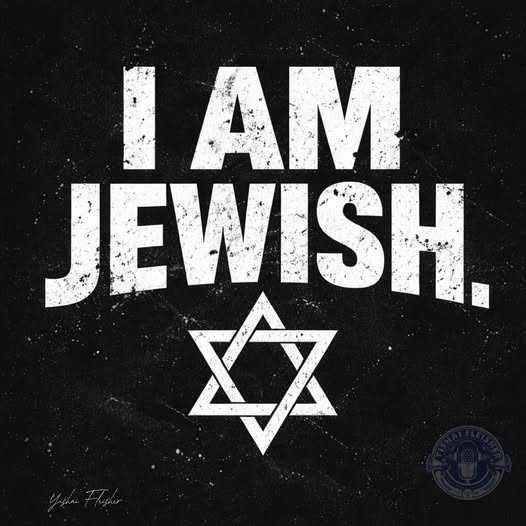
Say it loud, say it proud. And never back down.
By PETER SMITH Associated Press Updated 4:08 AM PST, December 12, 2025
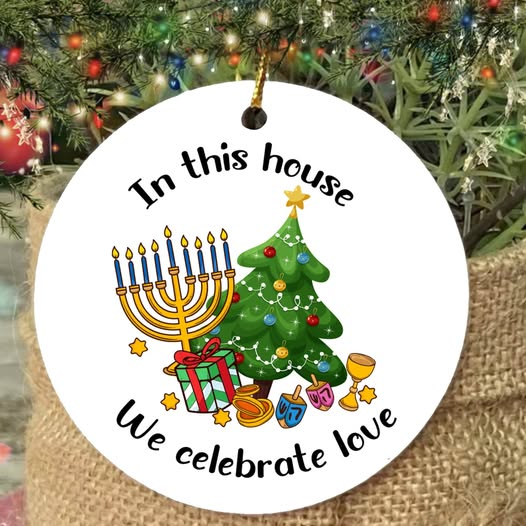
Hanukkah — also spelled Chanukah or other transliterations from Hebrew — is Judaism’s “festival of lights.” On eight consecutive nightfalls, Jews gather with family and friends to light one additional candle in the menorah — a multibranched candelabra.
In Hebrew, Hanukkah means “dedication.” The holiday marks the rededication of the Temple in Jerusalem nearly 2,200 years ago after a small group of Jewish fighters liberated it from occupying foreign forces.
With the tiny supply of ritually pure oil that they found in the temple, they lit the menorah. According to the Talmud, it miraculously remained lit for eight days. The ritual of lighting a nightly candle and the emphasis on cooking foods in oil, such as potato pancakes called latkes, memorialize this holiday.
Hanukkah always begins on the 25th day of the Jewish month of Kislev.
But the Jewish calendar, which is based on lunar cycles, is not in sync with the commonly used Gregorian calendar. Depending on the year, Hanukkah falls at various times between late November and late December.
This year, Hanukkah starts at sundown on Sunday, Dec. 14, and lasts through Dec. 22.
Traditionally, Hanukkah has not been a major holiday on the Jewish calendar, but it has taken on cultural prominence because it occurs at a time when many other people are preparing for Christmas.
Jews across the religious observance spectrum — from Reform to Conservative to Orthodox — focus on the same theme of bringing light into the darkness and emphasizing that even a small, against-the-odds effort can have a transforming effect.
The Talmud, an ancient compendium of commentary and teachings on Jewish law, customs and Scripture, reflects a dispute over the order of lighting. But most people start with one candle and increase the lighting by an additional candle each night while reciting or chanting special blessings.
The candles are added from right to left, but lit from left to right on the menorah, thus always starting with the newest light. The special menorah used for Hanukkah has eight branches, with a ninth place for the candle called shamash from which all others are lit.
The tradition calls for candles with a real flame, although some also use electric ones in public displays, such as in hospitals, for safety reasons.
A menorah is lit in each household and traditionally is placed where it can be seen from the outside, such as a doorway or windowsill, to symbolize the spreading of God’s light to all nations.
The lighting of menorahs in city streets and parks has become more prominent in recent years in countries around the world, including in front of public landmarks.
In addition to menorah lightings, giving to charity and social works are also part of the celebration for many, reflecting the belief that the Jewish people are called by God to help make the world better for all.
The federal government war on those who do not conform to Donald Trump’s vision of America. That vision is to denounce all those opposing him and calling them domestic terrorists. The GOP quietly goes along with Trump’s vision of a country where all who oppose his objectives must be silenced. That means no free press.
Following the news report highlighted on the front page of the Los Angeles Times and reported elsewhere.
WASHINGTON — Justice Department leadership has directed the FBI to “compile a list of groups or entities engaged in acts that may constitute domestic terrorism” by the start of next year, and to establish a “cash reward system” that incentivizes individuals to report on their fellow Americans, according to a memo reviewed by The Los Angeles Times.
Law enforcement agencies are directed in the memo, dated Dec. 4, to identify “domestic terrorists” who use violence, or the threat of violence, to advance political and social agendas, including “adherence to radical gender ideology, anti-Americanism, anti-capitalism, or anti-Christianity.”
Although the memo does not mention protests against President Trump’s immigration crackdown directly, it says that problematic “political and social agendas” could include “opposition to law and immigration enforcement, extreme views in favor of mass migration and open borders.”
The memo also outlines what it says are causes of domestic terrorist activity, including “hostility towards traditional views on family, religion, and morality.”
“Federal law enforcement will prioritize this threat. Where federal crime is encountered, federal agents will act,” the memo states.
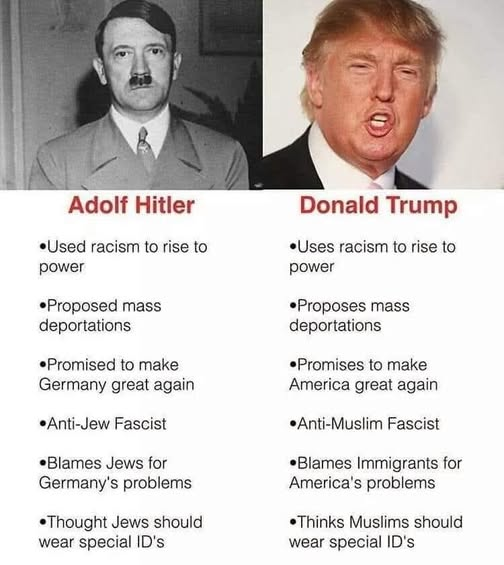
As reported by the Associated Press, President Donald Trump says he wants to “permanently pause migration” from poorer nations and is promising to seek to expel millions of immigrants from the United States by revoking their legal status. He is blaming immigrants for problems from crime to housing shortages as part of “social dysfunction” in America and demanding “REVERSE MIGRATION.”
What happened to the words on the Statue of Liberty? “Give me your tired, your poor, / Your huddled masses yearning to breathe free,” is inscribed on a plaque on the pedestal inside the statue, not on the tablet itself.
Everyone in America except native Americans are immigrants or the descendants of immigrants. Immigrants made the United States what it is today. Donald Trump’s Reverse Migration idea is opposition to what has made America great. The wordsmiths who are the columnist for our newspapers will write about this more elegantly than me.
 Coast Contact