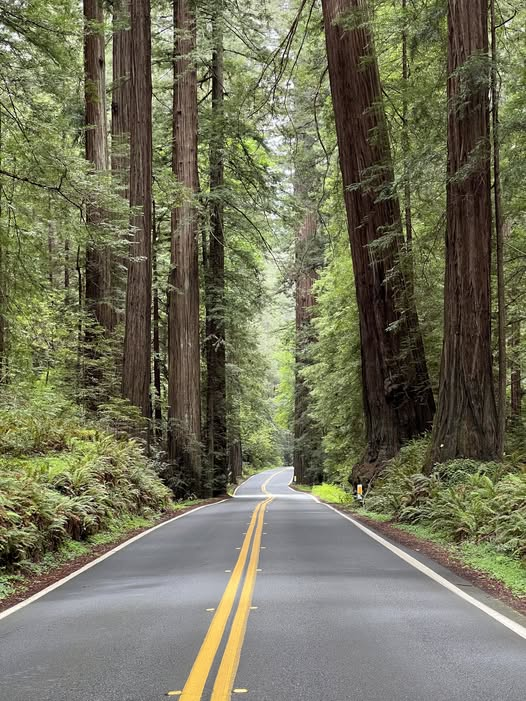
Humboldt County, California
Today is Flag Day but it has turned into Sad Day as the president has an Army Parade, people are demonstrating calling this No Kings Day, and thousands of Hispanics have fear of arrest and deportation.
The lawn was not cut. I called the gardener. His wife said he feared for arrest and told me he is in hiding.
Hotel workers, restaurant workers, farm workers and many other groups are living in fear.
This is one Flag Day we will never forget.
Copied from today’s Los Angeles Times. This is a beautifully written article.
I’ve lived in Los Angeles long enough to know that this city weathers fire, quake and fury and still manages to bloom. We grow food in our backyards, paint our pain on walls and find beauty in the struggle. But right now, there’s a pressure in the air thicker than smog, a national fear winding through our streets, and its name is Donald Trump (“National Guard arrives in Los Angeles as fallout from immigration raids continues,” June 8).
The helicopters overhead aren’t just news choppers anymore. They’re echoes of something ancient and dangerous: Fascism rising on American soil. I never thought I’d say this in my lifetime, but we’re watching a man try to bring down a republic with the smug grin of a game show host who already knows the final answer.
President Trump, you can stop now. Turn on your TV. Watch what you’ve done. You will not be remembered as a patriot. You will not be remembered as a liberator. You will be remembered as the worst leader this country has ever produced. A divider. A destroyer.
We write, we paint, we protest and we plant seeds of hope in cracked concrete. But we are exhausted. We need moral leadership, not messianic delusion. What do we tell our children when their leaders praise dictators, vilify the press and mock the weak? That chaos is power? That empathy is weakness?
Mr. Trump: History is not on your side and neither is Los Angeles.
Patsy Pitts, South Los Angeles
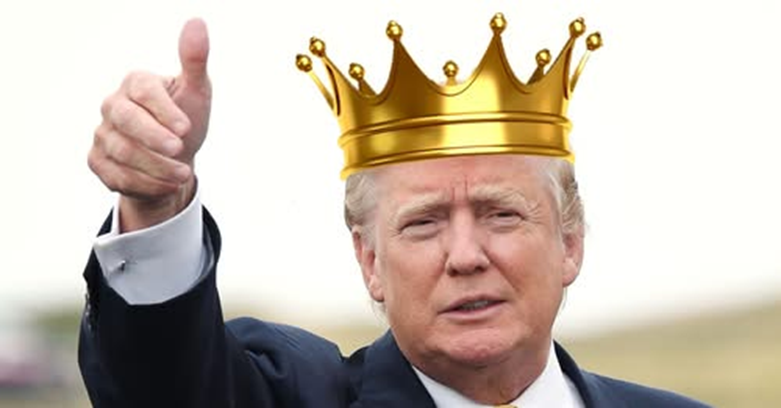
President Theodore Roosevelt said “To announce that there must be no criticism of the president, or that we are to stand by the president, right or wrong, is not only unpatriotic and servile, but is morally treasonable to the American public.”
In merely four months Donald Trump has turned the United States from a functioning democracy into a country on the edge of a fascist dictatorship.
Trump’s war on California has begun. These news items are not my imagination.
Trump deploys National Guard as Los Angeles protests against immigration agents continue. California Gov. Gavin Newsom condemned the Trump administration’s move to send the California National Guard into Los Angeles to handle immigration protests.
The Trump administration is preparing to cancel a large swath of federal funding for California, an effort that could begin as soon as Friday, according to multiple sources.
Agencies are being told to start identifying grants the administration can withhold from California. Sources said the administration is specifically considering a full termination of federal grant funding for the University of California and California State University systems.
ABC News has suspended its senior national correspondent, Terry Moran, after he called White House deputy chief of staff Stephen Miller a “world-class hater” in a since-deleted post on X.
Trump has sued both CBS and ABC over their reporters saying things that Trump does not like.
The president has now called for the arrest of California governor Gavin Newsom calling him grossly incompetent.
Is this the beginning of a civil war?
California climate is delightful. Many people or their parents move here to escape the humidity, the cold, the hurricanes and the tornadoes found everywhere else in the United States. The price we pay for this has finally become too much for most of us.
In Central Phoenix, the average list price for single-family homes is $455 per square foot.
The median sale price of a home in Los Angeles is $1.1M, and the median sale price per square foot is $643, according to Redfin.
Gasoline in California, according to AAA, which tracks national gas prices daily, costs an average of about $4.78, compared with $3.16 nationally. The cost of electricity in the state is now the highest in the continental U.S., at 30.22 cents per kilowatt hour.
The notoriously high cost of gas in the state is the result of a lot of factors — we tax gas to pay for road infrastructure and a less-polluting fuel mix in the summer months. Last year, Sacramento decided to move harder, faster toward its goal of a carbon-less future, adding disincentives for refineries and incentives for EVs that the California Air Resources Board has predicted will add 47 cents a gallon at the pump.
Overall, California’s zero-carbon climate policies — pushing EVs as your next car purchase and heat pumps to cool and heat your house — rely largely on electricity that in turn depends on expensive, and intermittent, energy sources, such as wind and solar. Come hell or high water, California’s leaders are trying to regulate, tax and incentivize their way to electricity that is 100% carbon-free by 2045.
In fact, recent analyses say California will face “acute electricity shortages” over the coming decade. Not least among the reasons: a dragged-out, exorbitantly expensive and unpredictable permitting process; the difficulty in finding appropriate locales for wind turbines and solar farms; and, ironically, objections from locals and environmentalists who don’t want renewable facilities in their backyards. Case in point: Moss Landing, where a toxic fire in a battery plant, coupled with plans for offshore wind turbines, have turned locals against green policies.
California can only prosper if it can develop affordable, reliable energy from all sources, including the state’s fossil fuel supplies. Without a change of direction, the trajectory is building toward a neo-feudal future — a state widely divided between the few rich and the many struggling.
Source for some of this article from a Joel Kotkin column in the Los Angeles Times.
By Hailey Branson-Potts, Staff Writer for Los Angeles Times

This is an abridged article.
Since his reelection in November, Trump has upended the typically friendly relationship between the U.S. and its northern neighbor. He has mocked Canada by calling it America’s “51st state” and repeatedly referred to former Prime Minister Justin Trudeau as “governor.” And he has threatened to use “economic force” to annex the country, whose population of 40 million is about the same as California’s.
Trump in February invoked emergency powers to justify stiff new tariffs on Canadian imports, arguing in an executive order that the trafficking of illegal drugs — namely, fentanyl — across the northern border constituted a dire threat to American security.
After Trump’s separate 25% tariff on imported automobiles went into effect last week, Canadian Prime Minister Mark Carney, who called the levies a “direct attack” on his country, slapped a 25% retaliatory levy on vehicles imported from the United States.
In Palm Springs, the snowbirds who were already here before Trump took office are leaving for the season. The question is: Will they return?
Two Canadian airlines this spring ended their seasonal service to and from Palm Springs International Airport earlier than initially planned, airport spokesman Jake Ingrassia said in a statement to The Times.
“Flair Airlines and WestJet have slightly shortened their seasonal service to Vancouver and Winnipeg, respectively,” Ingrassia said. “The airlines have advised the airport that these adjustments are in response to the current operating environment and shifts in demand.”
Kenny Cassady, director of business development for Acme House Co., which manages vacation rental properties in Palm Springs, said Canadians often book stays of one to three months a full year in advance, returning to the same properties annually.
“But when it comes to rebooking for next year? They’re just declining,” said Cassady, who also is a board member for Visit Greater Palm Springs, a tourism marketing agency for the Coachella Valley.
A Major storm set to hit at least a dozen states but meanwhile Southern California is on the verge of one of the driest winters in its history.
As of this date last year 4.969 inches of rain had fallen in the annual rain record. The prior year over 6 inches had fallen.
This year my rain gauge has captured less than a quarter of an inch of rain. Forecasters are saying this will be a La Niña year.
This situation has happened every two to three years. California has experienced many droughts throughout its history, including:
1920s–1930s: A period of dry conditions that was comparable to the largest 10-year droughts in the state’s paleoclimate record
2012–2016: The most severe drought on record, with 13 of the 30 driest months in the state’s history
2007–2009: A notable drought that caused growers to abandon permanent plantings like orchards and vineyards
1987–1992: A significant drought
1976–1977: A notable drought that included the driest year in California’s history
Happily our many reservoirs will ensure we will have enough water for our basic needs.
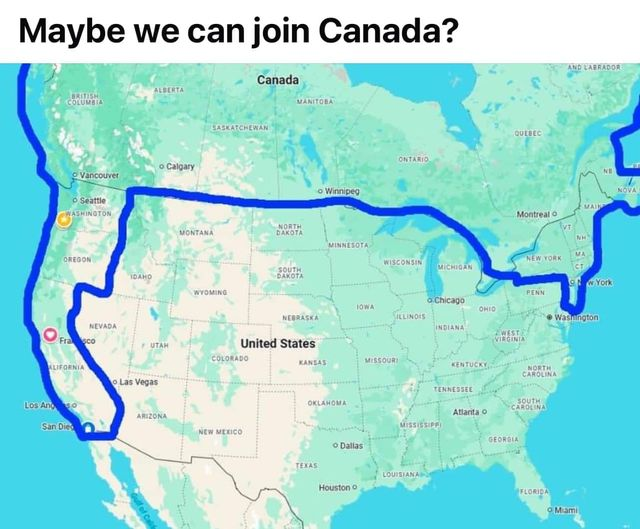
A fun fantasy. Secession was decided in the U.S. Civil War. It can’t be done.
My question is would Canada accept parts of the United States? The only reason would be adding warmer Pacific Coast states.
It’s fun to fantasize.
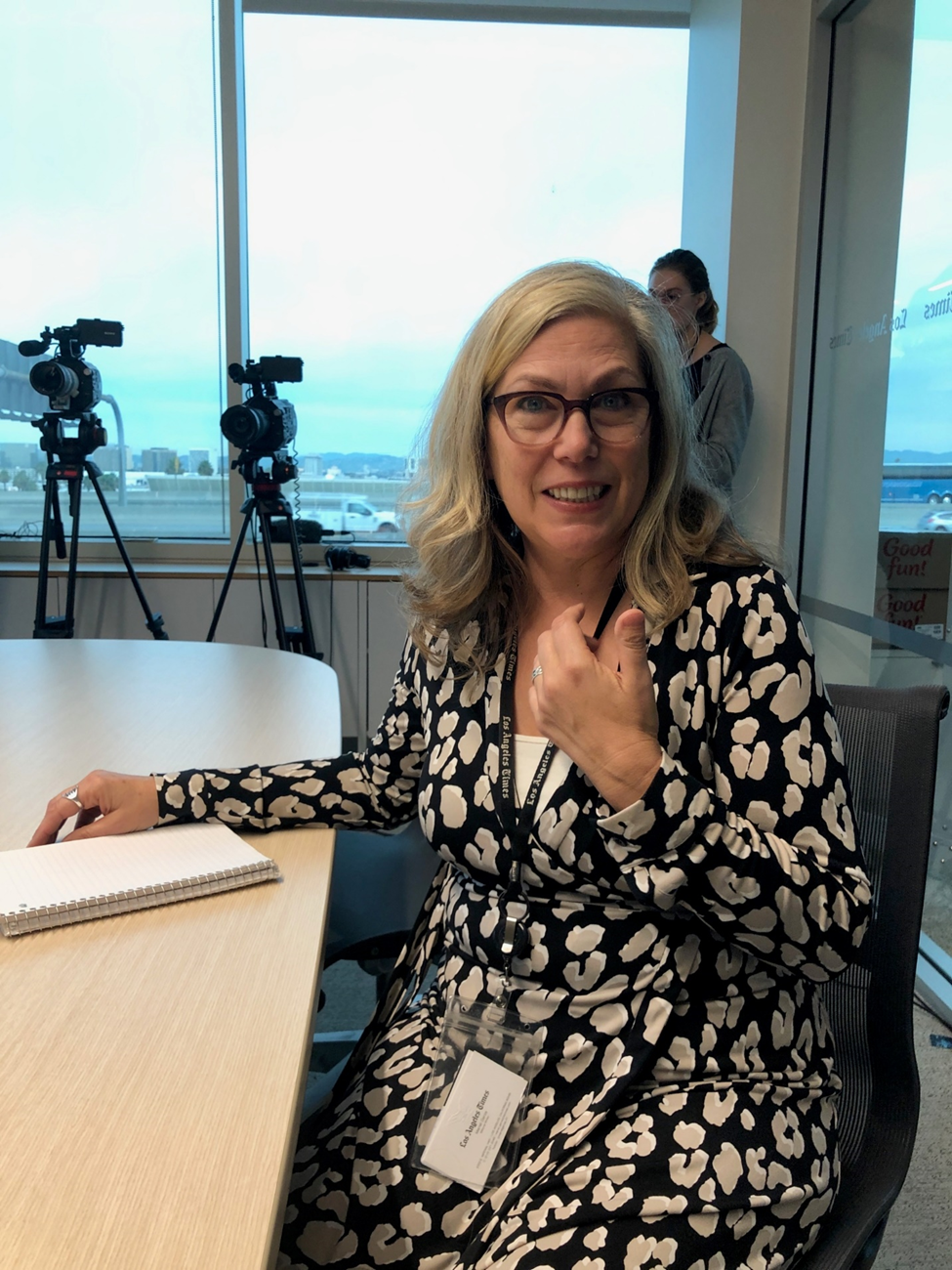
Mariel Garza, the editorials editor of the Los Angeles Times, resigned on Wednesday after the newspaper’s owner blocked the editorial board’s plans to endorse Vice President Kamala Harris for president.
“I am resigning because I want to make it clear that I am not okay with us being silent,” Garza in a conversation with Columbia University School of Journalism. “In dangerous times, honest people need to stand up. This is how I’m standing up.”
Terry Tang is Executive Editor, Los Angeles Times.
Terry,
Ever since Dr. Soon-Shiong vetoed the editorial board’s plan to endorse Kamala Harris for president, I have been struggling with my feelings about the implications of our silence.
I told myself that presidential endorsements don’t really matter; that California was not ever going to vote for Trump; that no one would even notice; that we had written so many “Trump is unfit” editorials that it was as if we had endorsed her.
But the reality hit me like cold water Tuesday when the news rippled out about the decision not to endorse without so much as a comment from the LAT management, and Donald Trump turned it into an anti-Harris rip.
Of course it matters that the largest newspaper in the state—and one of the largest in the nation still—declined to endorse in a race this important. And it matters that we won’t even be straight with people about it.
It makes us look craven and hypocritical, maybe even a bit sexist and racist. How could we spend eight years railing against Trump and the danger his leadership poses to the country and then fail to endorse the perfectly decent Democrat challenger—who we previously endorsed for the US Senate?
The non-endorsement undermines the integrity of the editorial board and every single endorsement we make, down to school board races. People will justifiably wonder if each endorsement was a decision made by a group of journalists after extensive research and discussion, or through decree by the owner.
Seven years ago, the editorial board wrote this in its series about Donald Trump “Our Dishonest President”: “Men and women of conscience can no longer withhold judgment. Trump’s erratic nature and his impulsive, demagogic style endanger us all.”
I still believe that’s true.
In these dangerous times, staying silent isn’t just indifference, it is complicity. I’m standing up by stepping down from the editorial board. Please accept this as my formal resignation, effective immediately.
Mariel
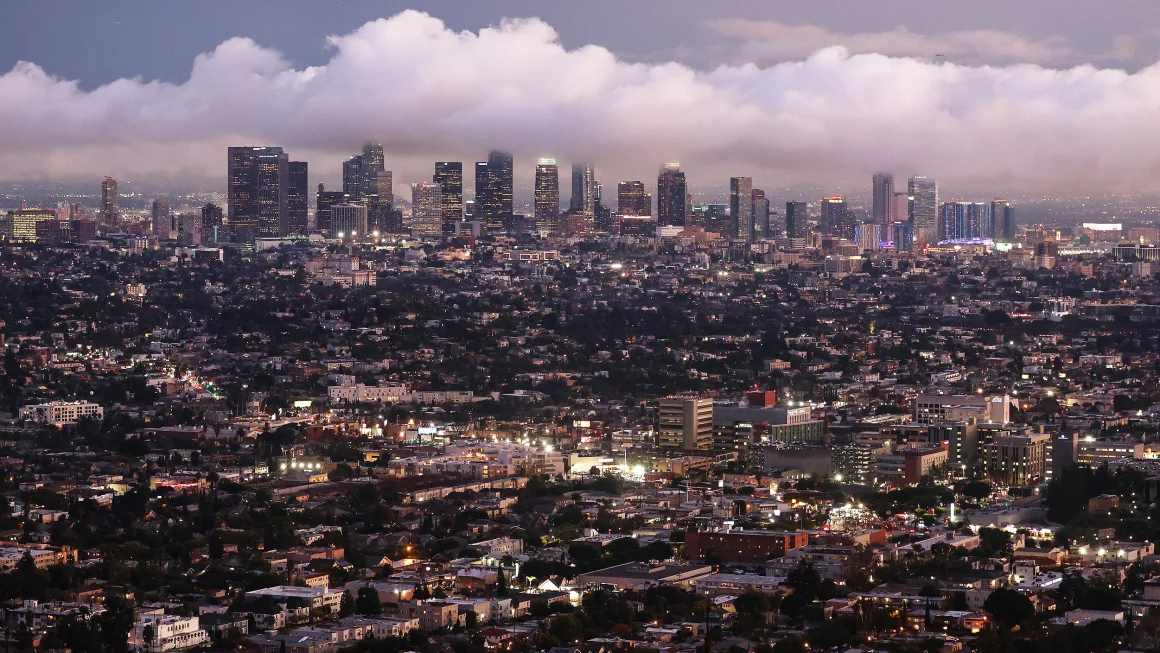
The downtown skyline of Los Angeles, California as seen on January 22, 2024
Mario Tama/Getty Images/File
US cities on the West Coast and Hawaii occupied five of the top 10 most unaffordable places, according to the annual Demographic International Housing Affordability report, which has been tracking house prices for 20 years.
Perhaps unsurprisingly, the most expensive US cities to buy home are in California, where San Jose, Los Angeles, San Francisco and San Diego have all made the top 10.
I am living in a house in Los Angeles that I bought over 40 years ago. So I am old and now the Los Angeles Department of water and Power just sent me a notice that my monthly bill will increase by 31% effective July 1.
I now take my wife food shopping and the usual weekly bill is about $150. Happily I do not drive my car great distances because the cost of gas is now about $4.50 per gallon.
Should I move to Nevada or Arizona? A cousin of mine moved to the Phoenix area this past summer.
 Coast Contact