The “Ridiculously Resilient Ridge,” sometimes shortened to “Triple R” or “RRR,” is the nickname given to a persistent region of atmospheric high pressure that occurred over Southern California. Finally today there is an article about this condition in the Los Angeles Times. The well-known weather forecasters are all in agreement that as long as this condition continues there is a likelihood that thepredicted El Niñorains for this part of the nation will not occur. Apparently they cannot predict when the high pressure ridge will dissipate sufficiently to permit consequential rain in the Los Angeles-San Diego region.
Yesterday the temperature was in the high 70s and low 80s in the Los Angeles area. Other than an expectation of 1 to 2 inches of rain on Sunday January 31 there is a forecast of moderately warm dry temperatures for the coming week. The condition will be caused by that RRR.
Local KABC-TV chief meteorologist Dallas Raines, certified by the American Meteorological Society, has been voicing doubts about El Niño for the last month. He does an excellent job of explaining air circulation and high pressure.
As an amateur rain collector since the last El Niño I can report that to date my rain gauge has collected just of 6.5 inches of rain compared to last year’s 8.4 inches of rain. Obviously 1 to 2 inches of rain this weekend won’t change the current trajectory of a very dry year.
Happily the storms in the Sierra Nevada Mountains are significant and that will ease the drought. Meanwhile Southern Californians will continue to lounge by their pools and spend their free time in the parks.
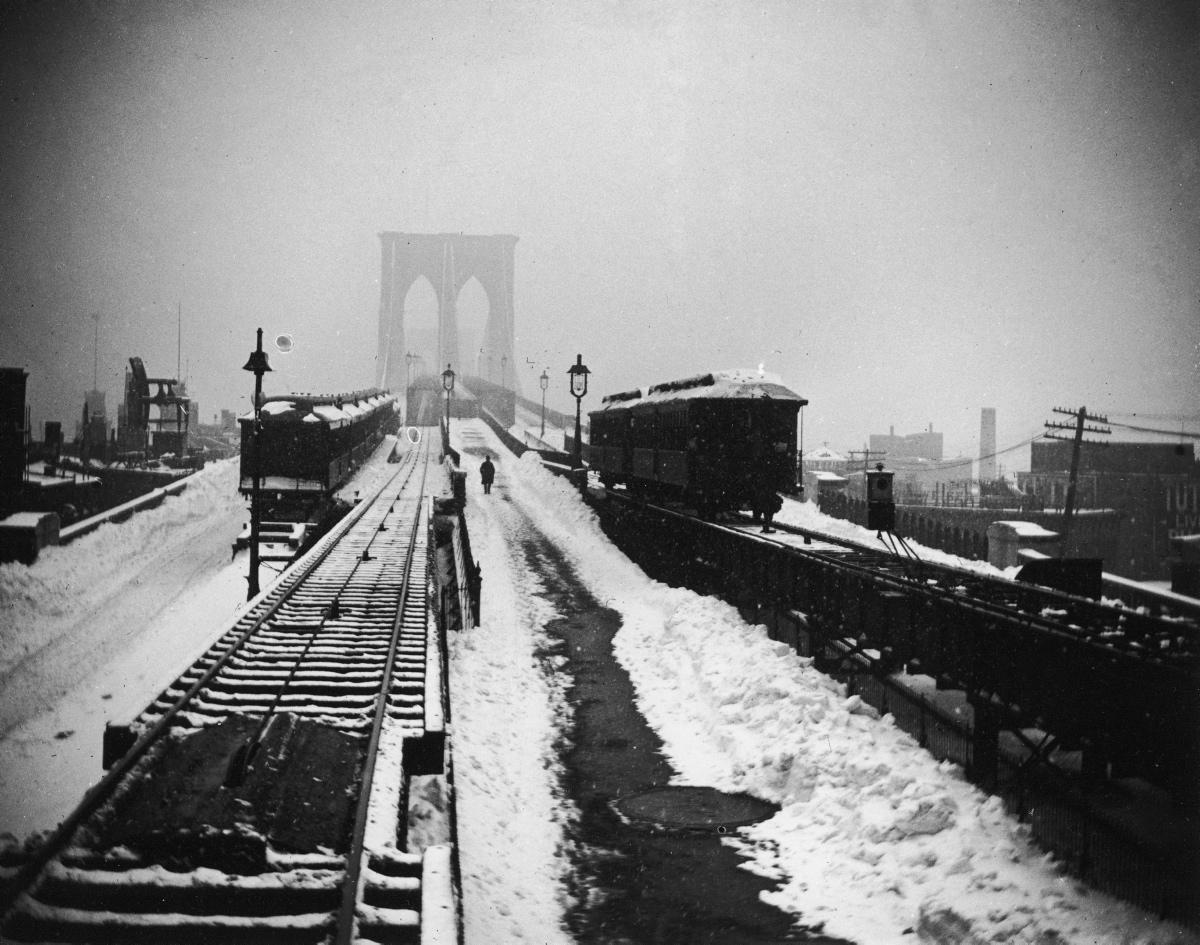
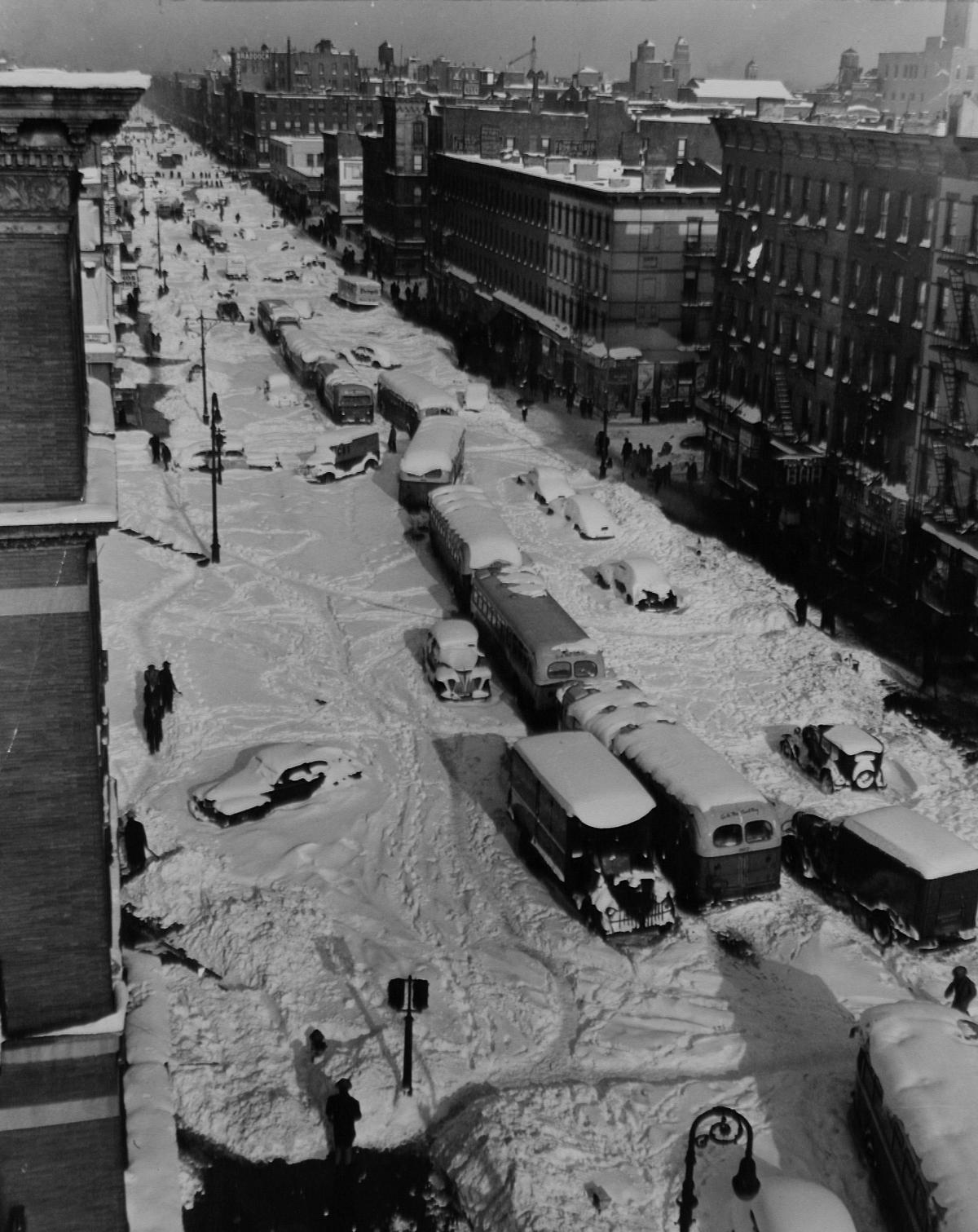
New York Shut Down – Roads Closed and Broadway Shows Canceled
It amazes me that every winter we hear the same kinds of reports. CNN has spent hours showing the photos and talking about the impact. People are killed, airlines cancel flights, tree limbs have fallen, and the snow is very deep. The New York Daily News published photos of all these events on their web site.
This is not news. This is reality in the northeast United States every year.
The Great Blizzard of 1888: 20 inches of snow
Blizzard of 1910
Winter Storm of 1912, 1930, 1935 (18 inches of snow), 1936, 1940, 1947 (26.4 inches of snow in Central Park), blizzard of 1947 – I remember this one, 1982, 1993, 1995, 1997, 1996, 2003, 2006, 2009, 2010 (18 to 20 inches of snow)
New York in 1947
Los Angeles today High 64 low 47 (We pay for this with high rents and high gasoline prices)
There have been a total of eight seasons beginning in years (1952, 1953, 1958, 1969, 1976, 1977, 2004, 2006, 2013) classified as “weak” El Niños, eight years (1951, 1963, 1968, 1986, 1991, 1994, 2002, 2009) as “moderate”, four years (1957, 1965, 1972, 1987) as “strong” and two years (1982, 1997) as “very strong” El Niños.
Of the 10 costliest flood years in California since 1950, only four happened during a season when there was an El Niño. Two others occurred during seasons with La Niña, and the final four were when the temperature of the tropical Pacific was near normal.
I have been collecting rain measurement in my backyard since the beginning of the 1997 El Niño year. That year the rain accumulation was 48.3 inches in my backyard. That was the highest annual total since I started collecting data. However the highest single 24 hour period was March 11, 2011. In that year rainfall amounted to 26.2 inches of rain. Heavy rain that previous December, 2010 totaled more than 9.6 inches and the news media called the heavy rain a “pineapple express.” That was not declared an El Niño year.
The annual rain fall in southern California is so erratic that averages are worthless. They predict nothing. The year following the 26.2 inches only 13.6 inches fell.
Let’s not hold our breath. We should plan for the worst. In other words plan for drought and hope for more rain.
Photo taken with Panasonic FZ200; 1/800 sec; f/4.0; ISO 100
All the grass was brown
And the sky was blue
We landed at SETAC
And the heat was on
We weren’t California Dreamin’
On this warm Washington day
OK, maybe I am not a lyrics writer but the message was clear. As we landed we could see the brown fields. It was a perfect holiday for southern Californians who abhor rain. We did cancel our trip to NYC because of the rainy days. So a draught stricken northwest gave us the opportunity to see Seattle and Vancouver without facing their usually rainy days.
It was no better in Vancouver. We wore shorts and T shirts on most days. To emphasize their problems in Vancouver we heard a report on the radio that ALL lawn watering was banned. Stanley Park, so famous for its green laws was a parched brown.
If this isn’t global warning, what is it? Even in Toronto they are selling rain barrels to help water the plants. The cost of beef has increased by 50% this year due to dwindling herds of cattle caused by the lack of rain and the high cost of feed.
Is this a prelude of the world as depicted in “Soilent Green?”
The Los Angeles station of the weather service tweeted that the hamlet of Sandberg, in the Tehachapi Mountains of LA County on the old Ridge Route, is sixteen degrees above normal for February. While Los Angeles receives its water from the Eastern Sierra, San Francisco receives its water from the Hetch Hetchy system that has its source in Yosemite National Park.
The National Weather Service station up in Hanford, CA posted this photo on February 19.
The Los Angles DWP has not put the city on water rationing but perhaps they should start that now.
This is one topic that will not be discussed in the campaign for president in 2016. The U.S.A. is a home for millionaires. There are more in this country than any other nation in the world. The opportunity to become a millionaire is the reason so many people look for every way to enter this nation.
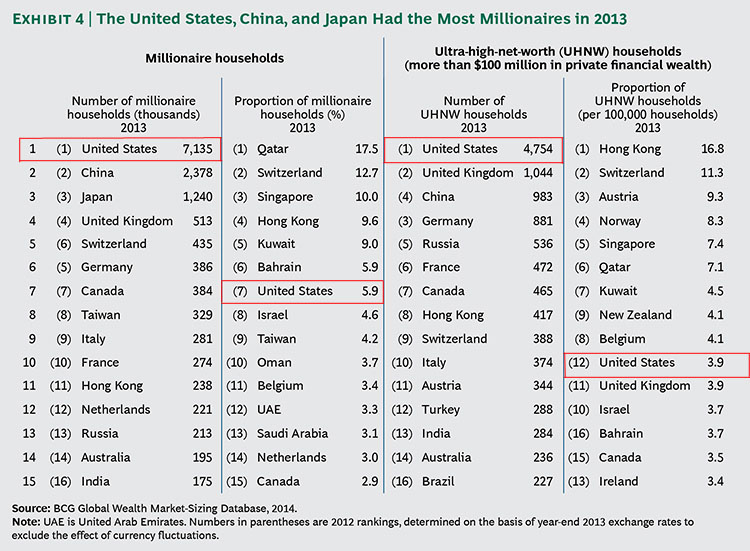
The Boston Consulting Group (BCG) posted this interesting article about wealth in the world this past June titled “Global Wealth 2014: Riding a Wave of Growth.”
Even as the income discrepancy between the average American and the top income earners has become more extreme the number of millionaires around the world has risen to new heights the numbers of millionaires in the United States has grown even more. BCG states: “As the debate over the global polarization of wealth rages on, one thing is certain: more people are becoming wealthy. The total number of millionaire households (in U.S. dollar terms) reached 16.3 million in 2013, up strongly from 13.7 million in 2012 and representing 1.1 percent of all households globally.”
The number of millionaires in the United States exceeds the total of the next 13 nations combined with 7,135. Among the ultra-rich (families with $100 million in wealth) shown in the third column above, once again the United States has more than four times as many as the next nation (United Kingdom).
The inflow of immigrants to the United States isn’t just the poor. The wealthy are doing their very best to grab a piece of the American pie. Businessweek had an article in the October 20-26 issue about Arcadia, California – a suburban community of Los Angeles that has been inundated with wealthy Chinese buying homes and building mansions there.
There is a possibility that you can be a millionaire in the United States. It’s easier than almost any other country in the world. So that’s why we won’t be changing the laws pertaining to millionaires. We won’t penalize you for becoming one too! It is what makes America great. It’s everyone’s goal. You don’t have to know anyone to make it happen. Anyone can be the next Steve Jobs, Bill Gates, or Sara Blakley.
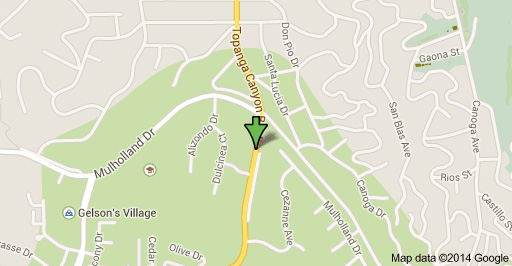
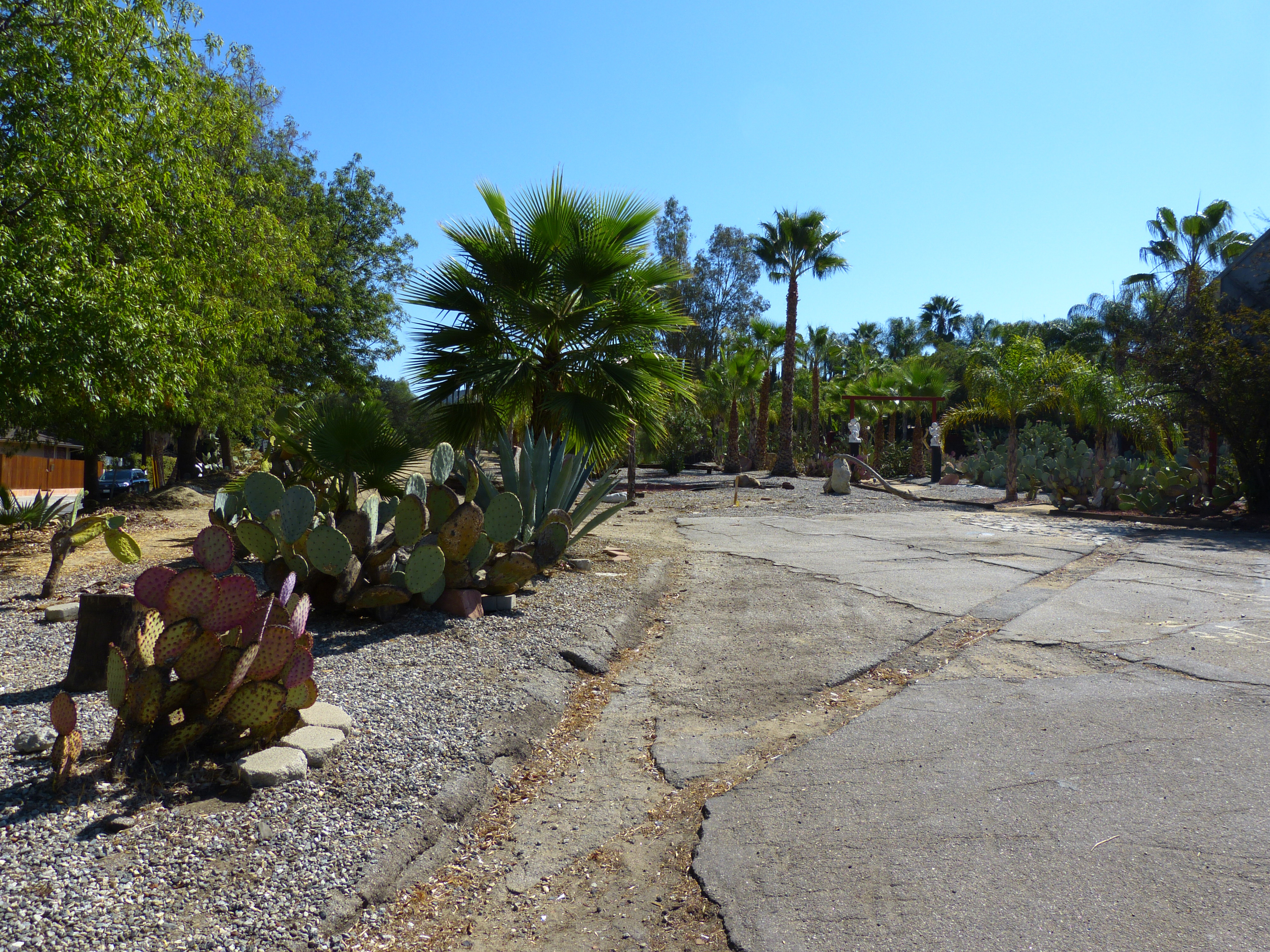
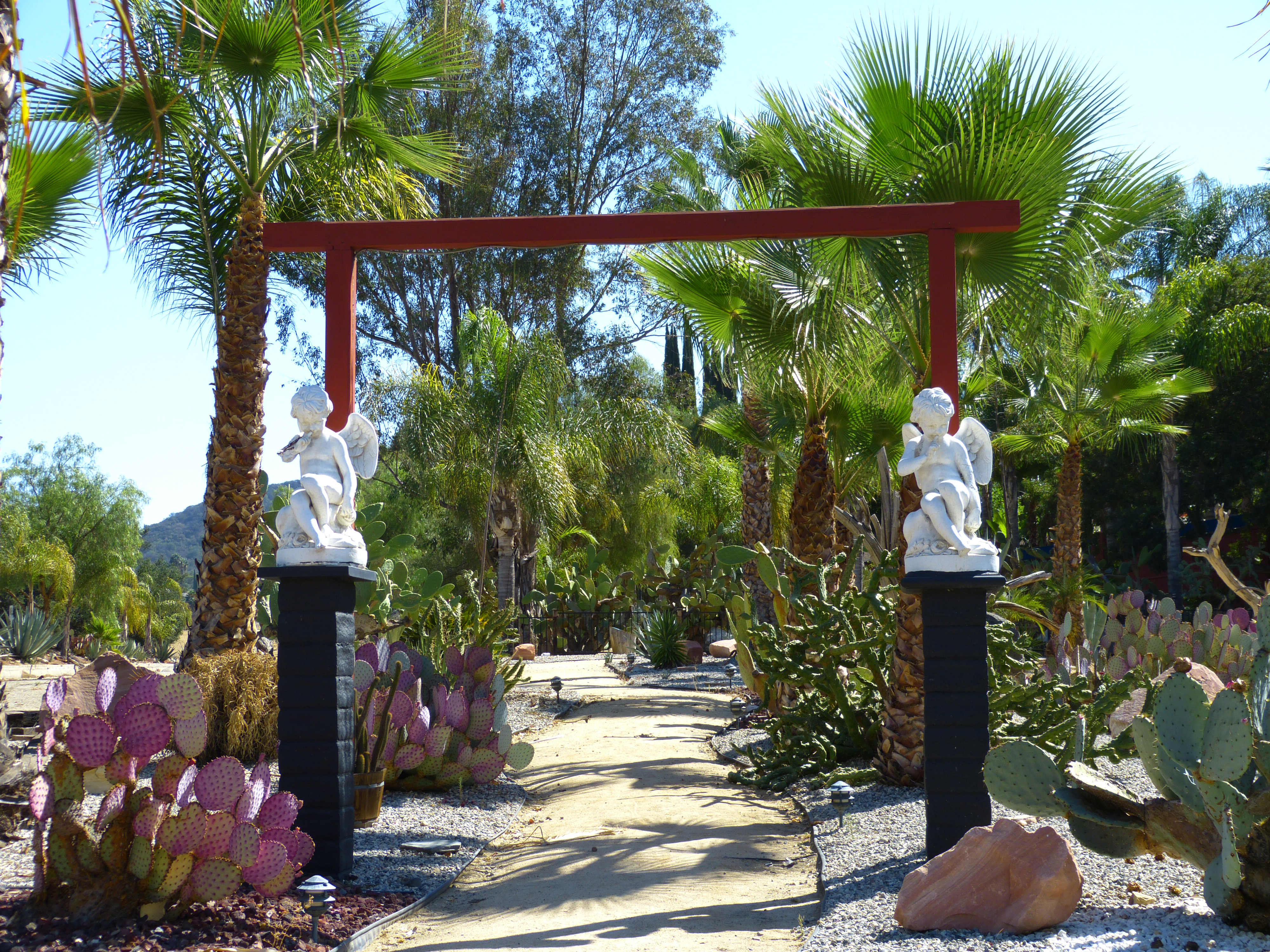
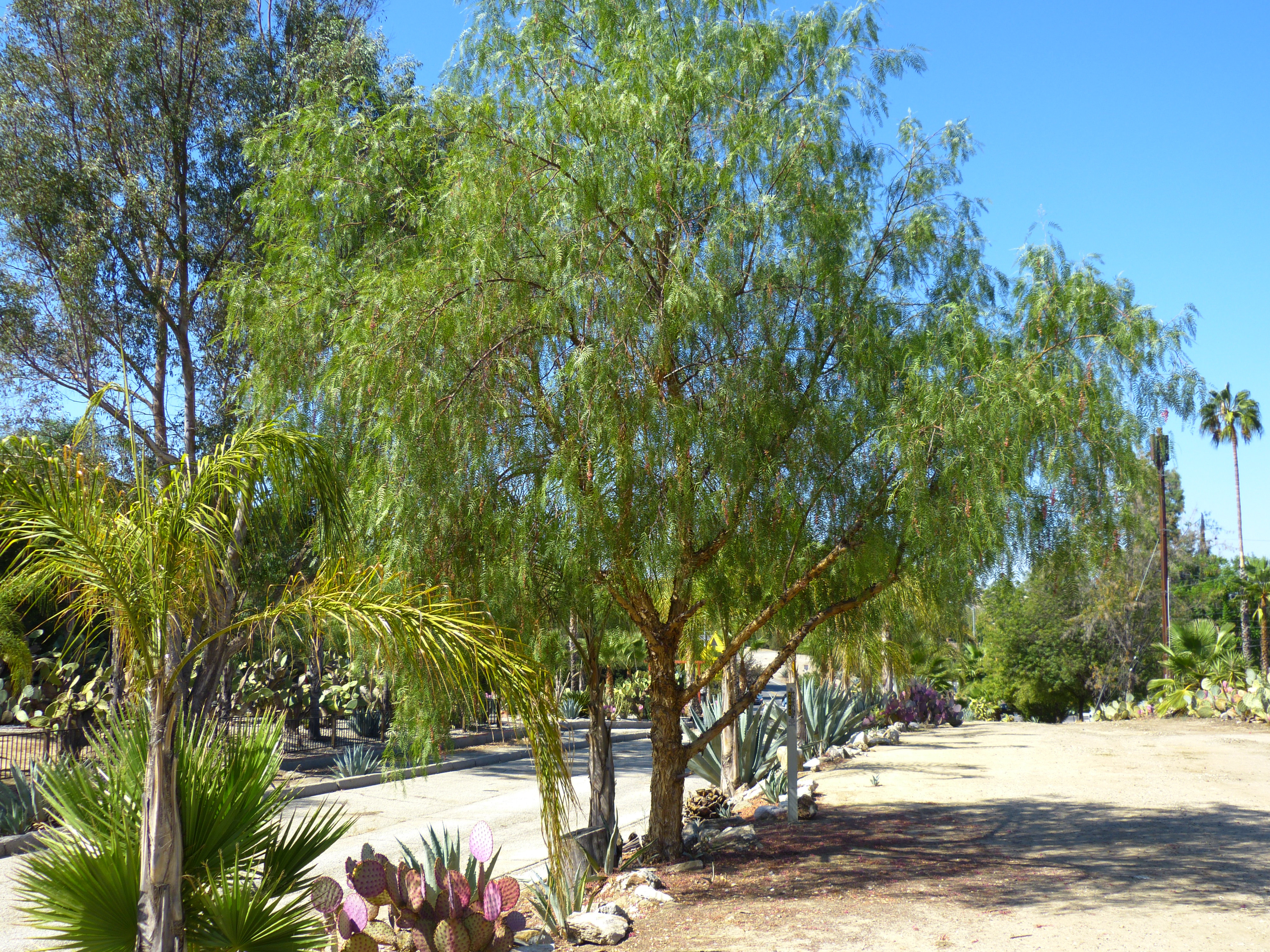
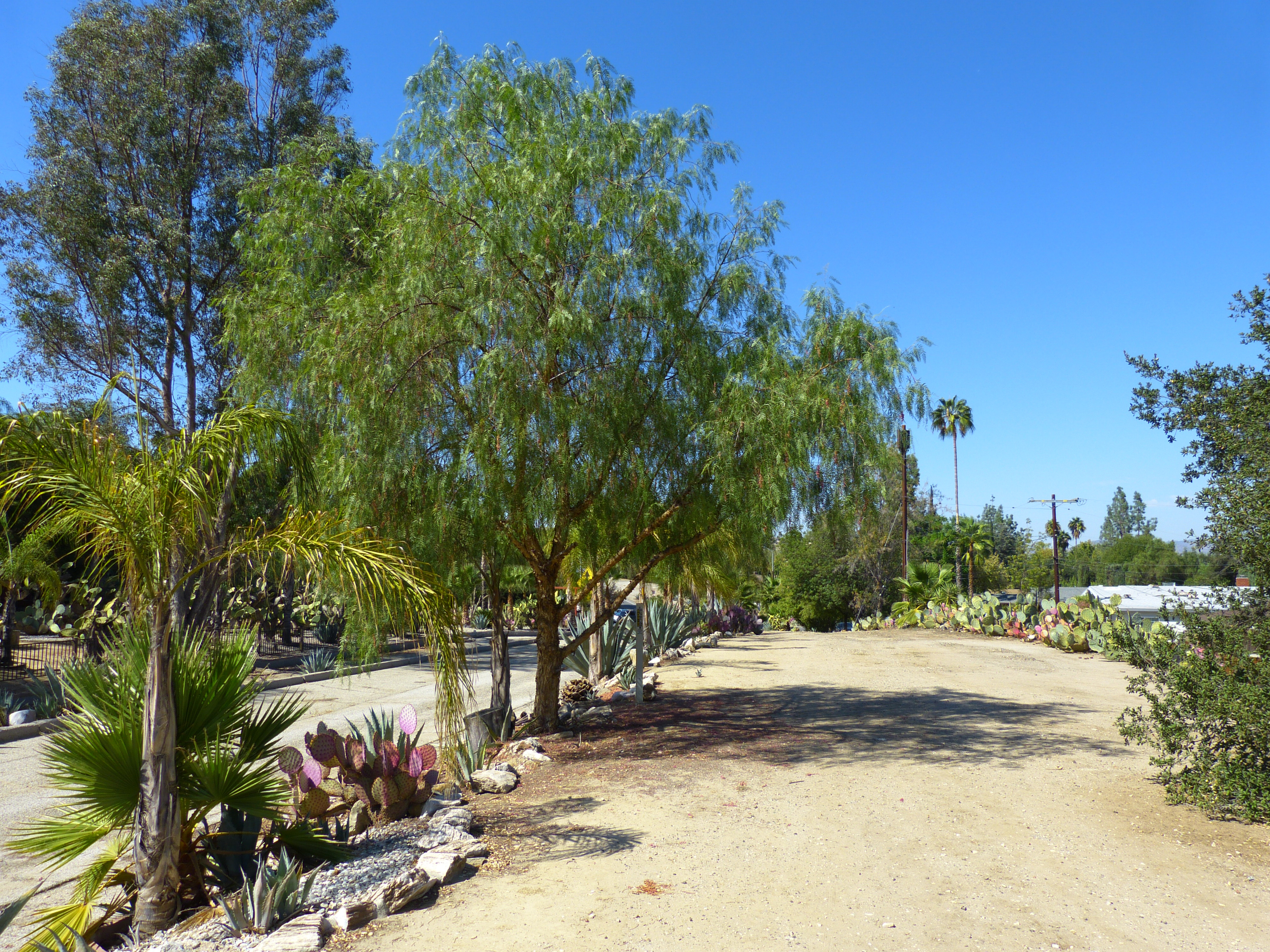
I have been driving by this unique garden and home for decades. It is on the road to Malibu. I use Topanga Canyon Boulevard as an alternate route from West Los Angeles when the freeways are shut down due to fires or serious car accidents.
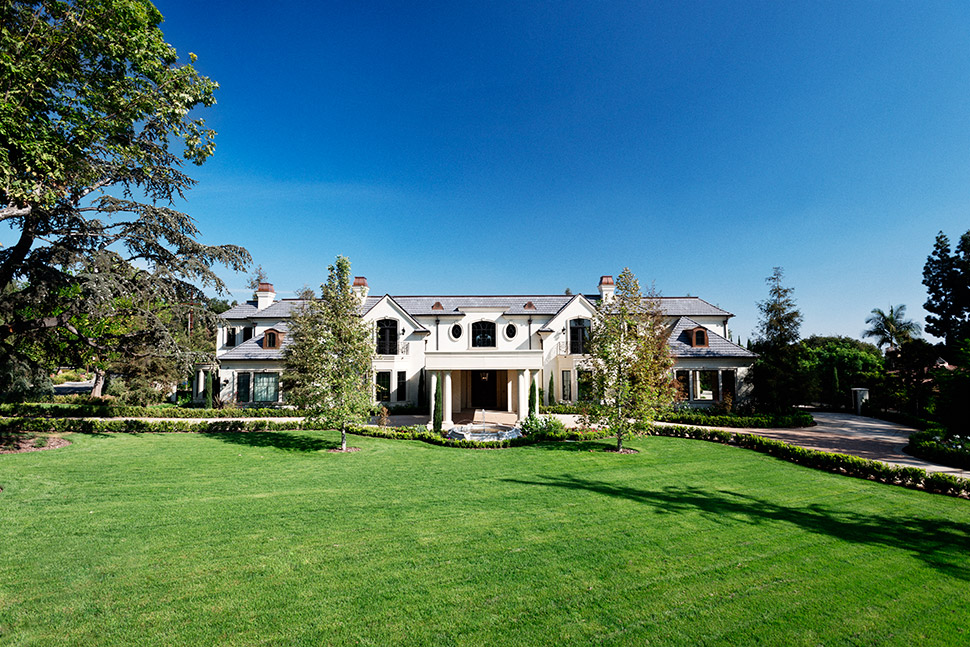
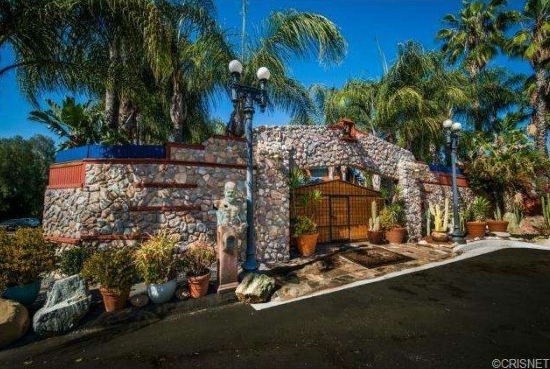
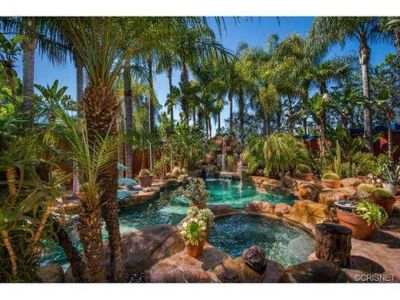
Finally I decided to stop a take some photos. The garden is listed on Yelp and Yahoo. As it happens the adjoining house is For Sale. Thus there are real estate photos on line. Asking price for this 4700 square foot home is $1.2 Million. Four bedrooms and four full baths on a .44 acre lot. The house was built in 1931.
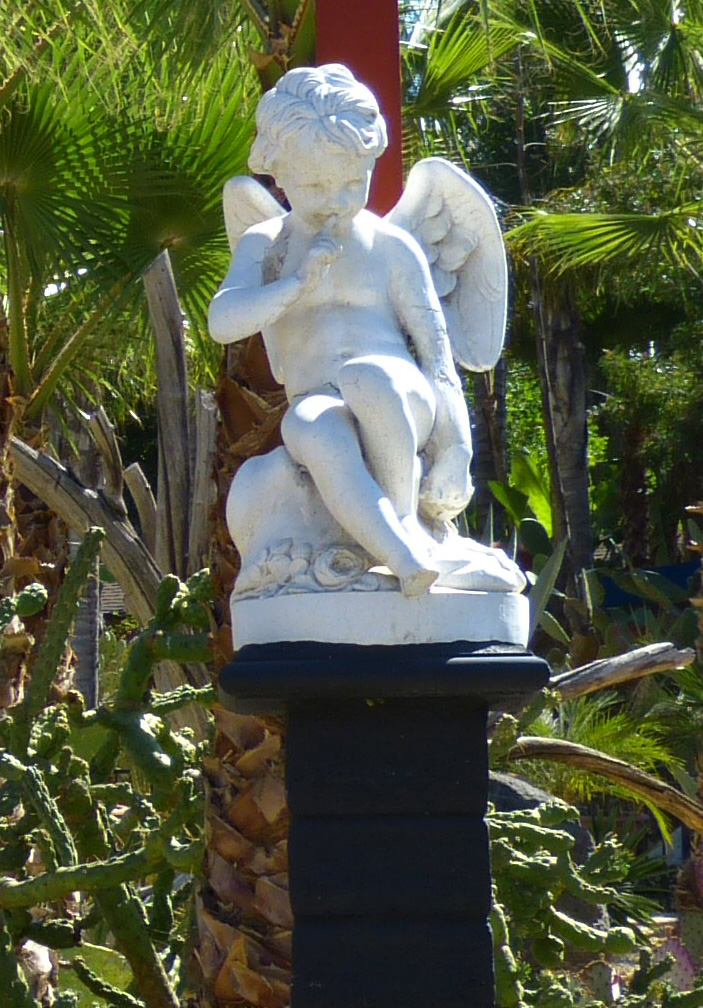
There appears to be an abandoned road next to the corner as shown in the first picture. Notice the flirtatious Cupid. Clicking on the pictures gives you a better view.
Location map
My photos all taken with my Panasonic DMC-FZ150:
Heading south as you leave the San Fernando Valley:
Heading north entering the San Fernando Valley from Topanga Canyon:
Real Estate listing photos of the house. Repaved the street and glossed the photos all thanks to Photoshop
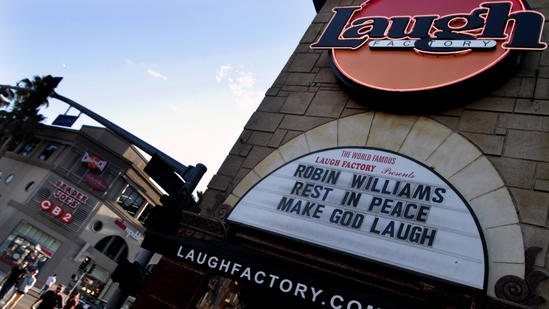
One of the greatest actors and funnymen of our time. From Mork and Mindy to The Crazy Ones and a favorite movie of mine, Mrs. Doubtfire, Robin Williams was a great entertainer who did not realize his own value. This incident proves that great success and wealth do not guarantee happiness.
I believe a loving and caring family is the answer.
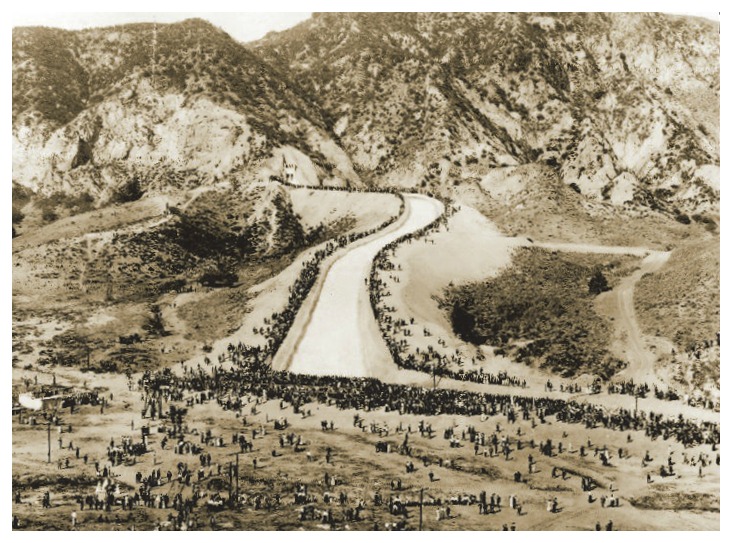
40,000 people observed the opening of the aqueduct into the San Fernando Valley
The latest water bond proposal calls for $7.5 billion that would allocate $2 billion for surface and groundwater storage projects, $850 million for Delta levees and habitat restoration, and $1 billion for groundwater cleanup. If this sounds familiar you are not mistaken. We have spent billions of dollars doing the very same thing. None of those projects has resulted in more available water.
On December 9, 2012 George Skelton, Los Angeles Times commentator/reporter, wrote “The truth is that no matter what the size of the bond issue no additional water will come to Los Angeles nor will there be any additional water for agriculture. The reality is that Californians will have to face water rationing. However, construction companies will benefit from this giant expenditure. I wonder how much money will be donated to campaign re-elections.”
I conducted my own on line research on California water bonds and found the following bonds approved.
Proposition 13. In March 2000, California voters approved Proposition 13 (2000 Water Bond), which authorizes the State of California to sell $1.97 billion in general obligation bonds to support safe drinking, water quality, flood protection and water reliability projects throughout the State.
Proposition 40.In March 2002, California voters approved Proposition 40, a $2.6 billion state bond measure for conservation, neighbourhood parks, and coastline and watershed protection. Proposition 40 was the largest conservation bond measure ever approved in California.
Proposition 50.In November 2002, the $3.4 billion water bond measure, the largest in California history, was approved by voters. It provides $825 million in funding for CALFED for a variety of programs, including surface water storage studies, water conveyance facilities, levee improvements, water supply reliability projects, ecosystem restoration, watershed programs, conservation and water recycling. More on Proposition 50 is available at http://www.water.ca.gov/grants- loans.
Proposition 84. In November 2006 California voters approved this measure that will fund water, flood control, natural resources, park and conservation projects by authorizing $5,388,000,000 in general obligation bonds. The bonds will be used to fund various projects aimed at (1) improving drinking and agricultural water quality and management; (2) preserving, restoring and increasing public access to rivers and beaches; (3) improving flood control. See details of the law at http://www.parks.ca.gov/pages/1008/files/prop 84 text.pdf.
My calculator says these propositions spent more than $13 billion. The cost to pay back those bonds with interest will most likely be double that amount.
California is up to its neck in commitments and needs. The recent claims that the state government has a surplus is incorrect. The surplus is only in terms of money needed to pay this year’s bills. We are drowning in future debt owed to retired teachers, retired state employees, and other bond commitments. Our infrastructure is falling apart.
Unless I hear some startling reason for this waste of tax dollars we should all vote NO to this give away.
The Southern California Earthquake Data Center (SCEDC) operates at the Seismological Laboratory at Caltech and is the primary archive of seismological data for southern California. They list 233 significant faults in this area. The Puente Hills fault is not listed. How many more faults are not identified? Obviously no one knows.
The Los Angeles metropolitan area is built on an active earthquake zone. I live in the west end of the San Fernando Valley. A distance of about 55 miles (Yes, Los Angeles Metro area is even bigger than that!) The 5.1 quake in La Habra resulted in a two to three second jerk motion at my home. If you were in motion you most likely did not even notice the movement. ABC television network news gave the impression that the entire city was impacted. That is an incorrect report.
Are earthquakes frightening? YES. Are earthquakes memorable? Rarely.







 Coast Contact