I guess that’s just Trump being Trump when he talked about invading other countries doesn’t sound so funny now Eh MAGA?
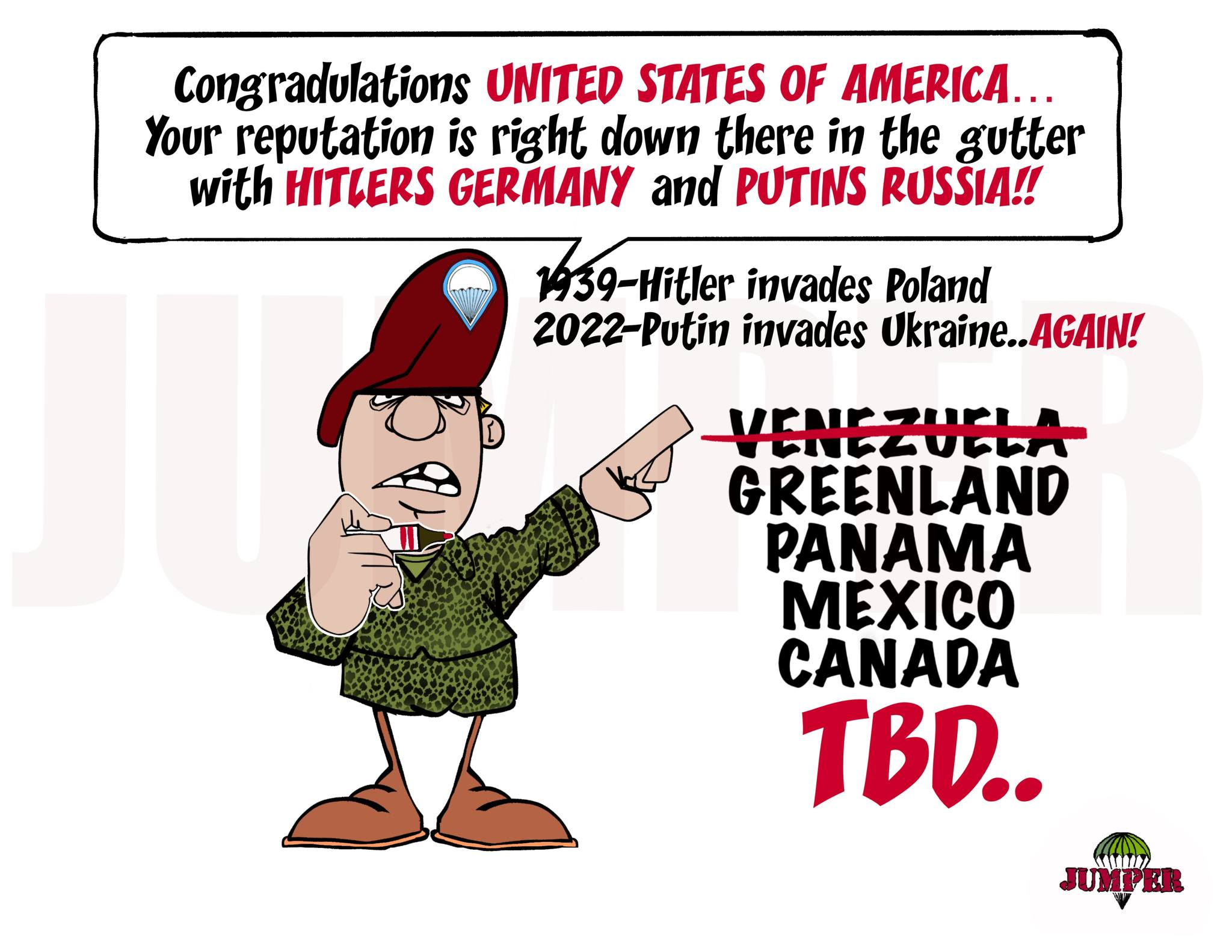
I guess that’s just Trump being Trump when he talked about invading other countries doesn’t sound so funny now Eh MAGA?
The newest Nobel Peace Prize will be announced 10 October 2025.

Art of the Deal brought to you by Valdimir Putin

A mole is a spy that is buried deep inside a society to the point it is very unlikely he or she would ever be identified as a spy.
For those of you following the news about Ukraine and the impact of Russian President Vladimir Putin on President Donald Trump consider these reported facts
*President Trump said Monday he would renew his assault on mail-in voting after Russia’s autocratic leader, Vladimir Putin, told him to do so at their meeting in Alaska last week.
*Trump interrupted his talks in Washington with European leaders to call Russian President Vladimir Putin, an EU diplomat told Reuters on Monday. What did Trump say to Putin and what was Putin’s response?
*The US president said he felt there is a “warmth” between him and Putin, which was felt at the summit between the two leaders last week. He also said he didn’t talk to the Russian president in front of European leaders yesterday because he felt it “would be disrespectful” to Putin.
Why is Trump so willing to support Putin rather than Western allies?
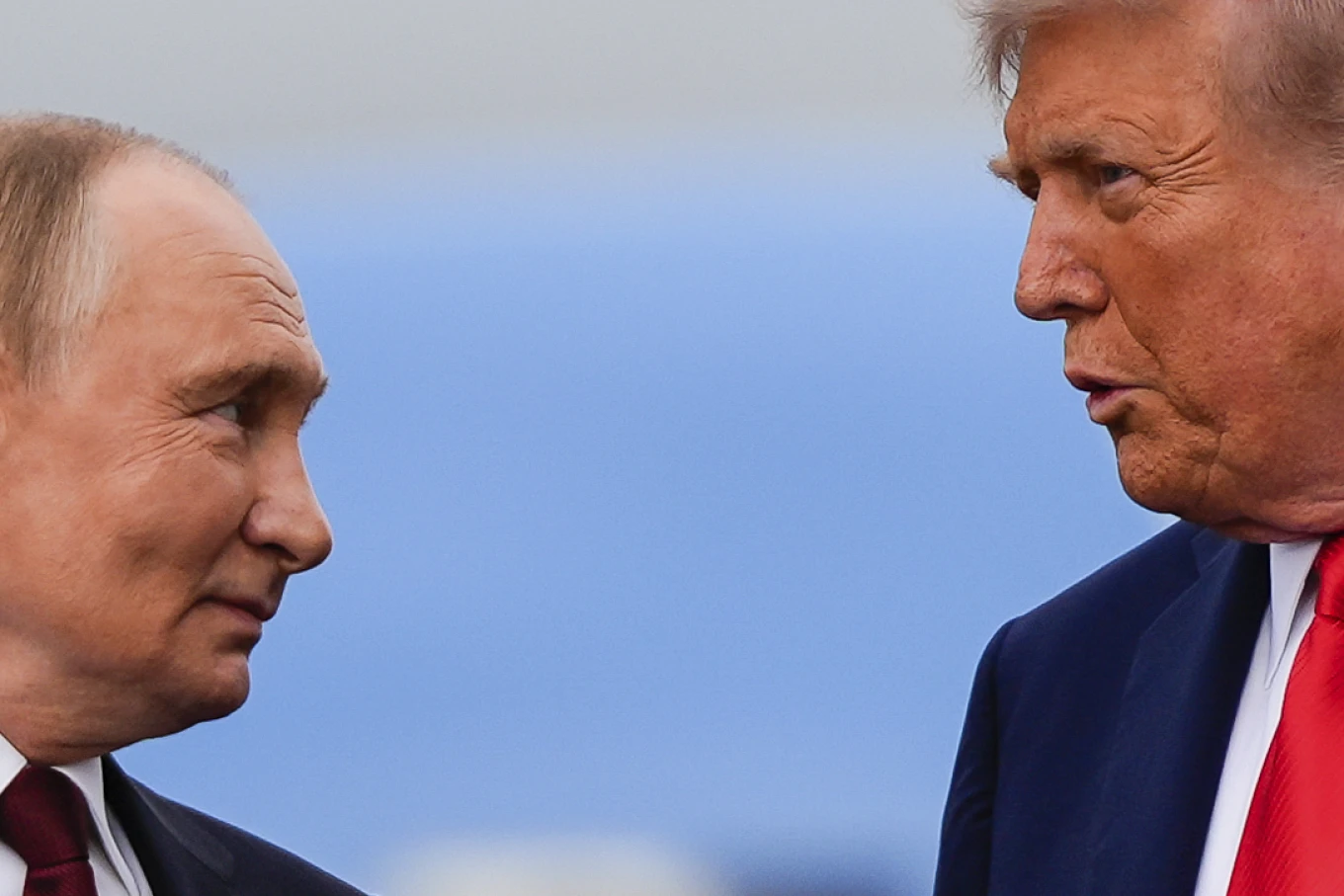
“Nothing burger” is a slang term, primarily used in American English, that describes something that was expected to be significant or important but ultimately turned out to be inconsequential, insignificant, or disappointing.
In Alaska, President Vladimir Putin walked on a red carpet, shook hands and exchanged smiles with his American counterpart. Donald Trump ended summit praising their relationship and calling Russia “a big power … No. 2 in the world,” albeit admitting they didn’t reach a deal on ending the war in Ukraine.
By Saturday morning Moscow time, Trump appeared to have abandoned the idea of a ceasefire as a step toward peace -– something he and Ukraine had pushed for months -– in favor of pursuing a full-fledged “Peace Agreement” to end the war, echoing a long-held Kremlin position. The “severe consequences” he threatened against Moscow for continuing hostilities were nowhere in sight. On Ukraine’s battlefields, Russian troops slowly grinded on, with time on their side.
President Trump made his expectations clear entering a summit with Vladimir Putin in Alaska on Friday: “I won’t be happy if I walk away without some form of a ceasefire,” he said aboard Air Force One.
Yet he did, emerging from their meeting in a diplomatic retreat, adopting the Russian leader’s position that puts off ceasefire negotiations in favor of more comprehensive talks.
“It was determined by all that the best way to end the horrific war between Russia and Ukraine is to go directly to a Peace Agreement, which would end the war, and not a mere Ceasefire Agreement, which often times do not hold up,” Trump wrote on social media. “If all works out, we will then schedule a meeting with President Putin. Potentially, millions of people’s lives will be saved.”
Trump obtained nothing and Zelinsky is still fighting a war he can’t win. Trump should be ashamed but he can’t admit the Alaska summit was a mistake.
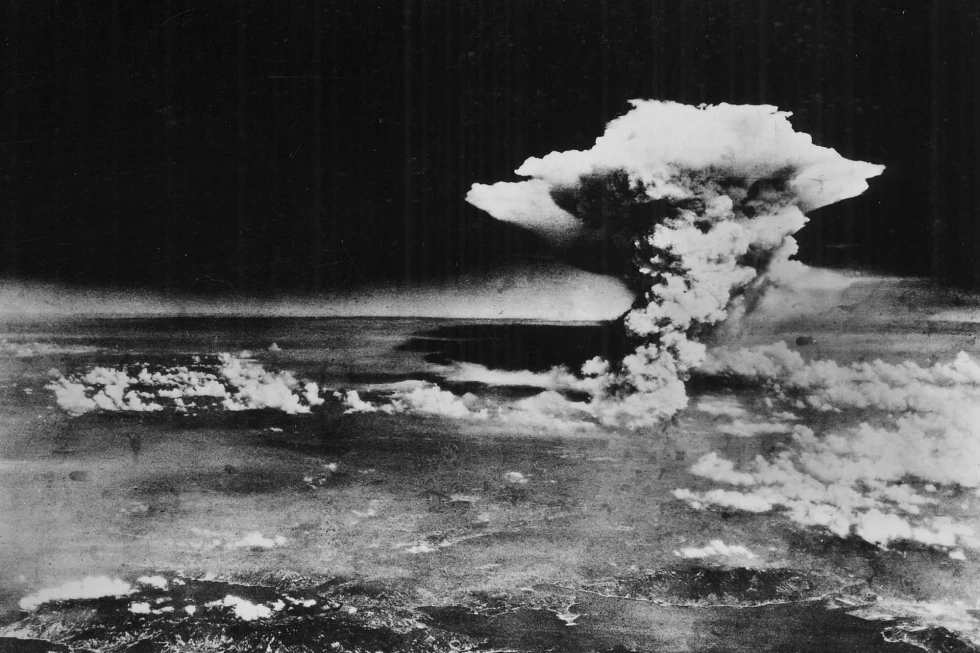
On 6 and 9 August 1945, the United States detonated two atomic bombs over the Japanese cities of Hiroshima and Nagasaki, respectively, during World War II. 140,000 people were killed by the first bomb. The atomic bombing of Nagasaki resulted in an estimated 40,000 to 70,000 deaths, according to the U.S. National Archives.
The United States is the only country to use atomic weapons in a war.
The TACO meme is so perfect. Because Trump, as all bullies do, does chicken out. A lot! And not just to China and the tariffs.
The latest news on tariffs is Trump’s threat on Russia. Trump announced Russia will face 100% “secondary” tariffs if there isn’t a ceasefire deal between the country and Ukraine in 50 days. “We want to see it end, and I’m disappointed in President Putin because I thought we would’ve had a deal two months ago but it doesn’t seem to get there.”
Other recent threats include a 50% tariff on Brazil for the trial against its former president. Mr. Trump’s pledge to place tariffs on imports from Brazil is partly in retaliation for what he considers a “witch hunt” against his political ally, the former Brazilian president Jair Bolsonaro, who is facing trial for attempting a coup.
It should be obvious that Trump sees tariffs as his best way to influence world order. He doesn’t see his method as chickening out. He sees his threats of getting his way as success.
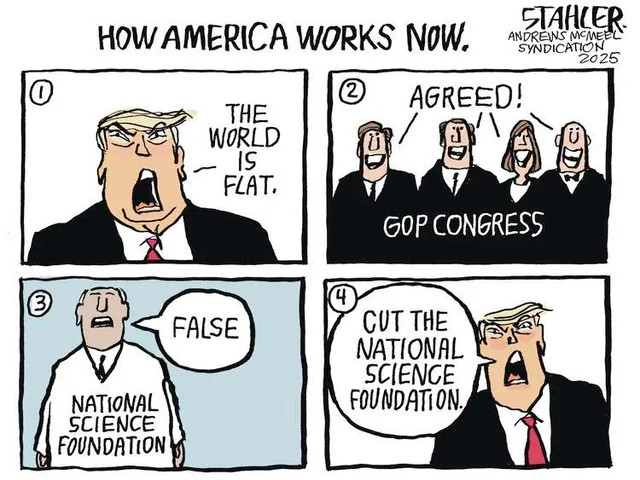
President Theodore Roosevelt said “To announce that there must be no criticism of the president, or that we are to stand by the president, right or wrong, is not only unpatriotic and servile, but is morally treasonable to the American public.”
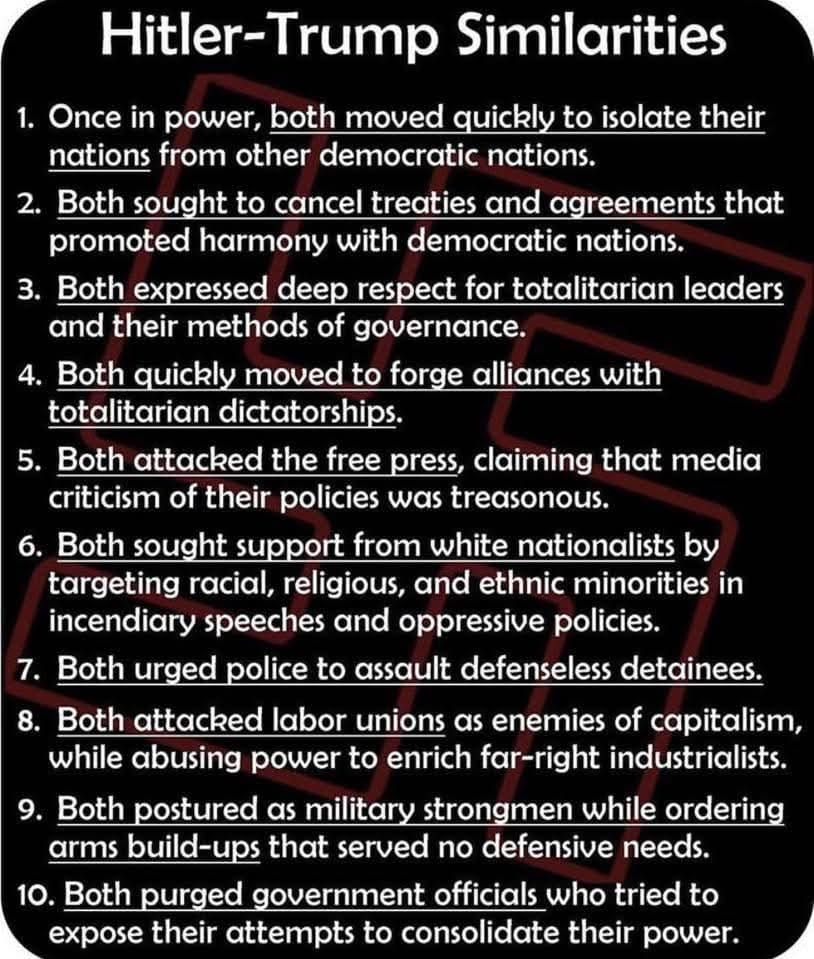
In merely four months Donald Trump has turned the United States from a functioning democracy into a country on the edge of a fascist dictatorship.
The following reports I found on the internet from reliable news sources confirm what my beliefs.
The courts including the Supreme Court have given the power for Donald Trump to do as he wishes. The Supreme Court has ruled that President Trump is at least presumptively immune from criminal liability for his official acts, and is absolutely immune for some “core” of them — including his attempts to use the Justice Department to obstruct the results of an election.
Since late February, President Trump has used the power of the presidency to punish law firms that he accuses of weaponizing the justice system and undermining the national interest, part of his promised campaign of vengeance against his perceived political enemies.
Donald Trump expanded on his threats to the media suggesting actions of the press should be deemed illegal and subject to investigation.
“I believe that CNN and MS-DNC, who literally write 97.6% bad about me, are political arms of the Democrat [sic] party and in my opinion, they’re really corrupt and they’re illegal, what do they do is illegal,” the president said during a contentious speech at the Department of Justice.
The Trump administration is seeking to exert extraordinary influence over American universities by withholding the kind of federal financial support that has flowed to campuses for decades. His claim it’s all about anti-semitism. His initial attack is on Harvard, a private university. But it has been expanded.
So far, seven universities have been singled out for punitive funding cuts or have been explicitly notified that their funding is in serious jeopardy. They are:
Now Trump is planning attacks on California universities who chose not to follow his directions.
Now Trump is planning to stop California’s environmental regulations.
What will Trump do next? I do not know. With more than 3 1/2 (three and a half years of his term to go it will be a bumpy ride.
I subscribed to The Atlantic.
The administration has downplayed the importance of the text messages inadvertently sent to The Atlantic’s editor in chief. By Jeffrey Goldberg and Shane Harris
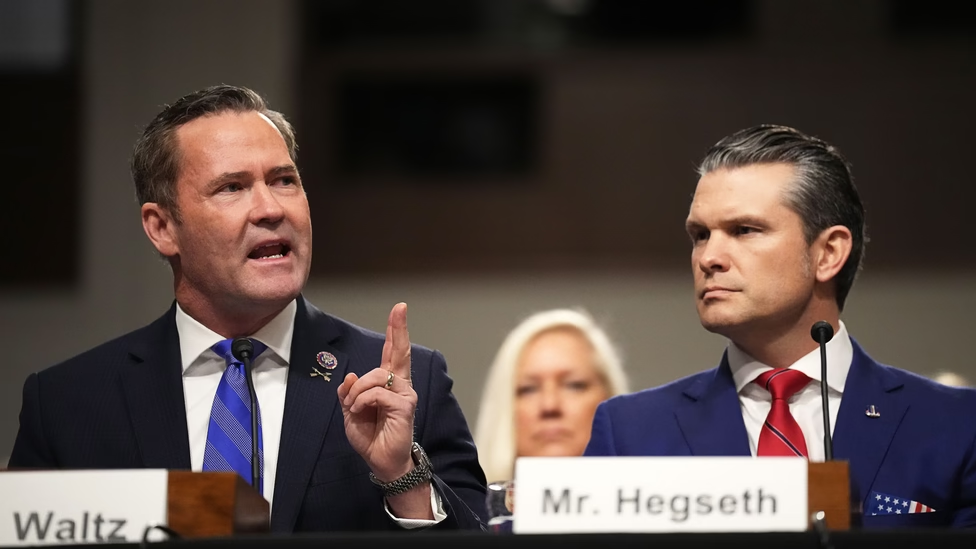
So, about that Signal chat.
On Monday, shortly after we published a story about a massive Trump-administration security breach, a reporter asked the secretary of defense, Pete Hegseth, why he had shared plans about a forthcoming attack on Yemen on the Signal messaging app. He answered, “Nobody was texting war plans. And that’s all I have to say about that.”
At a Senate hearing yesterday, the director of national intelligence, Tulsi Gabbard, and the director of the Central Intelligence Agency, John Ratcliffe, were both asked about the Signal chat, to which Jeffrey Goldberg, the editor in chief of The Atlantic, was inadvertently invited by National Security Adviser Michael Waltz. “There was no classified material that was shared in that Signal group,” Gabbard told members of the Senate Intelligence Committee.
Ratcliffe said much the same: “My communications, to be clear, in the Signal message group were entirely permissible and lawful and did not include classified information.”
President Donald Trump, asked yesterday afternoon about the same matter, said, “It wasn’t classified information.”
These statements presented us with a dilemma. In The Atlantic’s initial story about the Signal chat—the “Houthi PC small group,” as it was named by Waltz—we withheld specific information related to weapons and to the timing of attacks that we found in certain texts. As a general rule, we do not publish information about military operations if that information could possibly jeopardize the lives of U.S. personnel. That is why we chose to characterize the nature of the information being shared, not specific details about the attacks.
The statements by Hegseth, Gabbard, Ratcliffe, and Trump—combined with the assertions made by numerous administration officials that we are lying about the content of the Signal texts—have led us to believe that people should see the texts in order to reach their own conclusions. There is a clear public interest in disclosing the sort of information that Trump advisers included in nonsecure communications channels, especially because senior administration figures are attempting to downplay the significance of the messages that were shared.
Experts have repeatedly told us that use of a Signal chat for such sensitive discussions poses a threat to national security. As a case in point, Goldberg received information on the attacks two hours before the scheduled start of the bombing of Houthi positions. If this information—particularly the exact times American aircraft were taking off for Yemen—had fallen into the wrong hands in that crucial two-hour period, American pilots and other American personnel could have been exposed to even greater danger than they ordinarily would face. The Trump administration is arguing that the military information contained in these texts was not classified—as it typically would be—although the president has not explained how he reached this conclusion.
Yesterday, we asked officials across the Trump administration if they objected to us publishing the full texts. In emails to the Central Intelligence Agency, the Office of the Director of National Intelligence, the National Security Council, the Department of Defense, and the White House, we wrote, in part: “In light of statements today from multiple administration officials, including before the Senate Intelligence Committee, that the information in the Signal chain about the Houthi strike is not classified, and that it does not contain ‘war plans,’ The Atlantic is considering publishing the entirety of the Signal chain.”
We sent our first request for comment and feedback to national-security officials shortly after noon, and followed up in the evening after most failed to answer.
Late yesterday, White House Press Secretary Karoline Leavitt emailed a response: “As we have repeatedly stated, there was no classified information transmitted in the group chat. However, as the CIA Director and National Security Advisor have both expressed today, that does not mean we encourage the release of the conversation. This was intended to be a an [sic] internal and private deliberation amongst high-level senior staff and sensitive information was discussed. So for those reason [sic] — yes, we object to the release.” (The Leavitt statement did not address which elements of the texts the White House considered sensitive, or how, more than a week after the initial air strikes, their publication could have bearing on national security.)
A CIA spokesperson asked us to withhold the name of John Ratcliffe’s chief of staff, which Ratcliffe had shared in the Signal chain, because CIA intelligence officers are traditionally not publicly identified. Ratcliffe had testified earlier yesterday that the officer is not undercover and said it was “completely appropriate” to share their name in the Signal conversation. We will continue to withhold the name of the officer. Otherwise, the messages are unredacted.
As we wrote on Monday, much of the conversation in the “Houthi PC small group” concerned the timing and rationale of attacks on the Houthis, and contained remarks by Trump-administration officials about the alleged shortcomings of America’s European allies. But on the day of the attack—Saturday, March 15—the discussion veered toward the operational.
Listen: Jeffrey Goldberg on the group chat that broke the internet
 Coast Contact