History of Motor Trend Car of the Year

2017 Motor Trend  Car of the Year

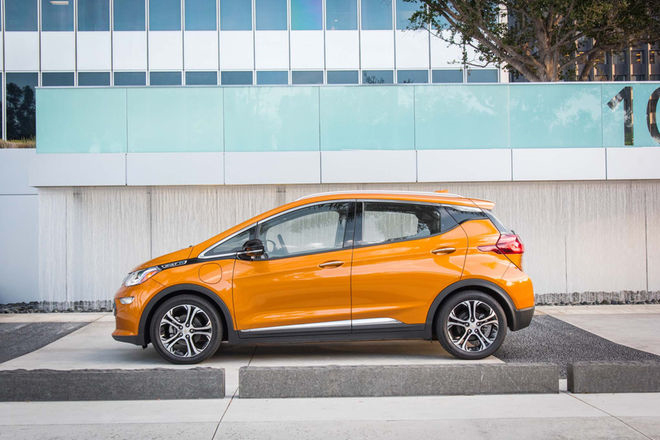
Chevrolet Bolt EV

chevy-bolt-ev-motortrend-car-of-the-year-2017Would you buy this car? General Motors hopes you will ignore their reliability track record.

I have owned a Buick, Chevrolet, and Oldsmobile. The Buick was the best of the bunch but the interior finish was sloppy.  The Oldsmobile engine turned off as I was driving down a freeway at 65 mph (that was frightening).

Motor Trend magazine has announced it choice for Car of the Year Award for 2017.  Chevrolet Bolt EV.

This is not GM’s first all electric car.  The General Motors EV1 was an electric car produced and leased by General Motors from 1996 to 1999.  You could not buy that car.  GM believed that electric cars occupied an unprofitable niche of the automobile market, and ended up crushing most of the cars, regardless of protesting customers.

The issue is should you buy a new car, even “Car of the Year”, in its first year of production?

Consumer Reports has a list of cautions in buying a new car including this. Wait a Year or Two Before Buying a New or Redesigned Model. It’s true that a few brands, like Lexus and Toyota, have lines that are consistently reliable, but even they can launch a few clunkers. The redesigned Tacoma pickup was unreliable in its first year, and it took three years after being redesigned for the Ford Escape to improve to average reliability. It can take years for an automaker to work out the kinks. When a car model is brand new or “completely redesigned,” that can mean new parts, new systems—and new problems.”

Another thing to do is look at the history of Car of the Year selections.

2015 Volkswagen Golf line-up

2012 Volkswagen Passat

2007 Toyota Camry

2001 Chrysler PT Cruiser

1975 Chevrolet Monza 2+2

1971 Chevrolet Vega

1960 Chevrolet Corvair

Motor Trend’s criteria for its selections does not include reliability:

Criteria Note
Design Advancement well-executed exterior and interior styling; innovative vehicle packaging; selection of materials
Engineering Excellence vehicle concept and execution; clever solutions to packaging, manufacturing and dynamics issues; cost-effective technology that benefits the consumer
Efficiency low fuel consumption and carbon footprint, relative to the vehicle’s competitive set
Safety active: help the driver avoid a crash; secondary: protect occupants from harm during a crash
Value competitive price and equipment levels, measured against vehicles in the same market segment
Performance of Intended Function how well the vehicle does the job its planners, designers, and engineers intended

Cars and Trucks to Avoid in 2017

Consumer Reports is a wonderful organization for giving unbiased reviews on everything from paint to cars to toasters.  They can do this because they take no advertising.  Compare that behavior with car magazines, photo magazines, and home décor magazines that thrive based on the level of advertising they obtain.  In other words it is unlikely that Popular Photography will give a negative review of a Nikon camera or Motor Trend will write negative issues about a Ford.

Thus we come to a list of vehicles that CR has defined as the “10 Least Reliable Cars.”  The report was just emailed out this morning.

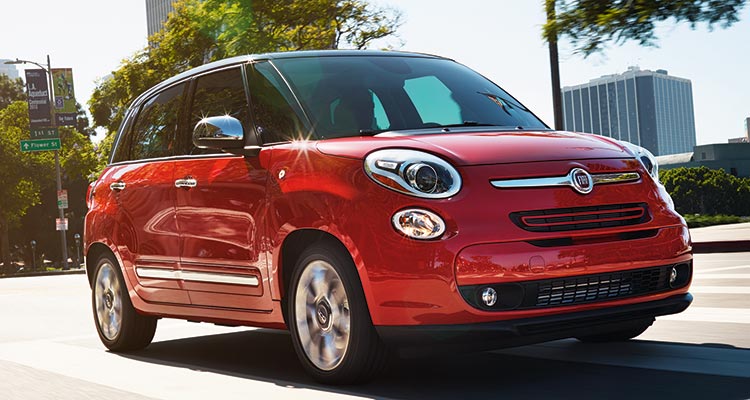
cr-least-reliable-car-2017-fiat-500l-pr-10-16

With an overall rating of 35 out of 100 the Fiat 500L is ranked as the worst of the worst.  The road test was a 50 out of 100. “Reliability ranks at the bottom of our charts.”

Next to the bottom is the Ford Fiesta. Trouble spots: clutch replacement, rough-shifting or slipping transmission, noises and leaks, power equipment.  I can attest to this car’s poor rating based upon my own experience.  Hertz gave me no choice in Seattle despite my reservation for a mid-sized car.  Cramped, uncomfortable seats, and very noisy at freeway speeds.

Jeep Renegade has an overall score of 42.

Cadillac Escalade has an overall score of 44.  Reliability is much worse than average.  With a price range of $73,395 – $97,795 General Motors should be ashamed of trying to sell this vehicle.

Chrysler 200  has an overall score of 47.

Ram 2500 has no overall rating.

Tesla Model X  has no overall rating but has a Reliability is much worse than average.

Ford Focus  overall score of 50

Chevrolet Tahoe rating is 51 /GMC Yukon rating is 51

Chevrolet Suburban   overall 54  /GMC Yukon XL   overall 50.

Is it any wonder that European, Japanese, and South Korean cars are so successful in America?  My question is when will they learn?

Automation at Work

Where have all the jobs gone? That is the question asked by so many people.  Of course many have gone to low labor cost countries but that is not the entire answer.  The new 2017 Honda Civic Hatchback is being assembled in the U.K.  That is not a country known for its low labor costs.  This model will be sold in the United States, Canada and elsewhere.  The video is a little too long but notice that there are no people in the video for over 4 minutes.  Then the number of workers is small.  The car is welded and painted without  human interaction.  That part is all automated.  Assembly of the parts still requires human activity but if Honda and the other car manufacturers can find a way to do automation they will employ that opportunity.

2017 Honda Civic sedans will go on sale in the U.S. and Canada this month. The sedans are assembled Greensburg, Indiana, and in its Alliston, Ontario, Canada, plant. The Civic Hatchback will be manufactured in Honda’s U.K. Manufacturing plant in Swindon, England, but make no mistake, the 1.5-liter double overhead cam, direct-inject turbocharged, in-line four-cylinder engine is all Japanese.

Manufacturers returning to America means jobs for robots, not people

Another article in the Los Angeles Times re-states what I have been writing about for a few years. https://coastcontact.wordpress.com/2013/02/08/impact-of-technology-on-the-u-s-economy/

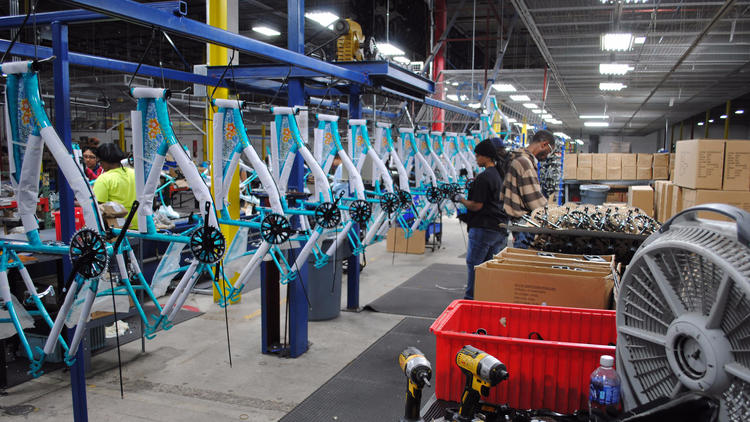
Workers at Bicycle Corporation of America assemble bikes - LA Times 8-14-2016

Workers at Bicycle Corporation of America assemble bikes for Wal-Mart, Target and other retailers. (Bicycle Corporation of America)

Here’s a little reality check on the current presidential campaign and promises by both Donald Trump and Hillary Clinton to bring back jobs from overseas.

It’s about a private Michigan company called Ranir, which makes, among other things, the business end of electric toothbrushes. After spending two years and millions of dollars to reengineer its toothbrush heads, Ranir brought back fully one-fifth of that production from China to its facility in Grand Rapids.

There’s just one catch: Thanks to the new robotic manufacturing process that Ranir adopted, it takes only four workers at the American plant to do the same job that almost certainly required dozens more in China.

The story goes that William Lee, an English minister, grew tired of hearing the incessant clicking of his wife’s knitting needles. Alternate versions of the story say that Lee was trying to win the affections of a lady who was more interested in her knitting than she was in him. In 1589, he modified the looms that were used to create rugs with hooks that would form loops that would be released during each pass of the thread, thereby knitting a whole row at once. Lee left his church work and went to secure the blessing of the queen (Elizabeth I) to ensure that no one else could create such a device and allowing him to make a healthy profit. Elizabeth denied his request and Lee went to France to try the same thing. Henri IV granted Lee the rights that he asked for, but was soon assassinated leaving Lee to die poor in 1610. Lee’s brother, James, took the idea back to England and was assisted by a man named Ashton in Nottingham in creating the first knitting factory. It wasn’t long before it was so cheap to create machine knitted clothing that many local hand-knitters were petitioning the government for limits of the business. (Sound familiar?) Lee’s design remained virtually unchanged until the 1700s when it was modified to include the kitting frame and later to accept other materials like lace and silk or create ribbed materials that could stretch.

Just as hand knitters in 1600 could not stop progress, today American factory workers are asking the United States government to stop progress. They might delay progress but in the end things will not be as they were during the industrial revolution.

Yes! It does hurt!


Odd American Automobiles


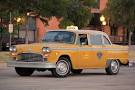
1960 Checker Marathon


Checker Marathon

Checker Taxi was an American taxi company. It used the Checker Marathon produced by Checker of Kalamazoo, Michigan.  Although you could buy the car for personal use it was manufactured primarily for the cab company.  It’s boxy design offered easy access to the rear seat and a large trunk.  The first cars were on the streets of New York and Chicago in 1963 and were built through 1978. July 26, 1999 was the last day for the company.
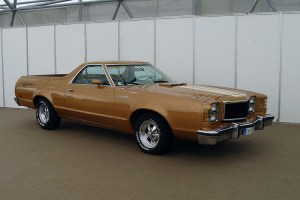


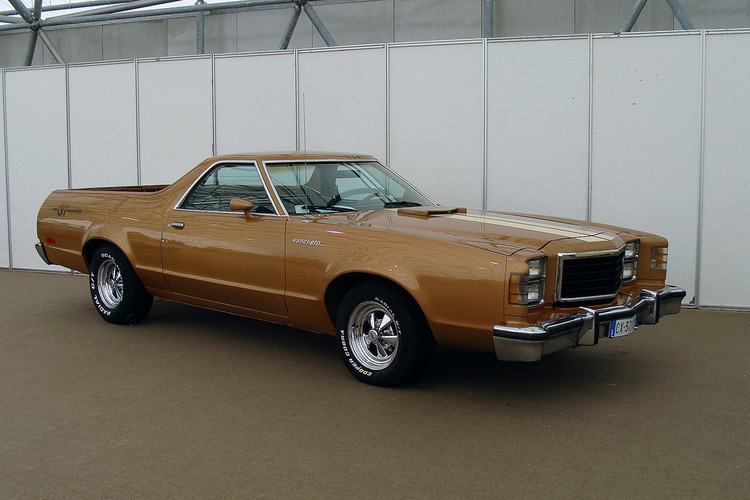
1977 Ford Ranchero


Ford Ranchero

In 1957, the Ford Ranchero introduced American consumers to the Australian oddity of the “coupe utility,” a two-door coupe with a truck bed fused to the rear end. Ford Australia had invented a car that could take the family to church or throw cargo in the back, a compromise between a commercial utility vehicle and the wheel-bed and cost of a passenger vehicle. So while it might look like a small pickup truck, the Ford Ranchero was built on the body of a station wagon.

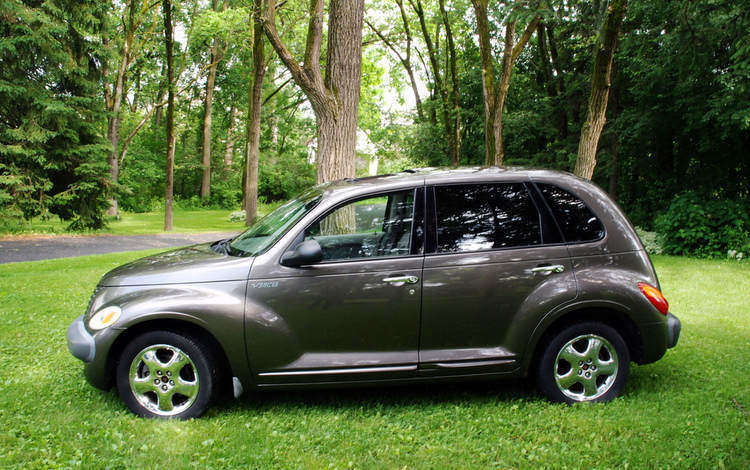
2001 Chrysler PT Cruiser


Chrysler PT Cruiser

At one point in time, the Chrysler PT Cruiser won Car of the Year. Now, the PT Cruiser is a series regular on lists of the worst cars ever made. What explains the dramatic fall of this controversial vehicle? It’s not just changing tastes, although that’s part of the equation. The PT Cruiser just didn’t stand up to scrutiny. First launched in 2001, the PT Cruiser was a 5-door hatchback designed to evoke the gangster getaway cars of the 1930s, featuring smooth curves, fat fenders, and a high roofline.

OLYMPUS DIGITAL CAMERA

AMC Gremlin

Love it or hate it, the AMC Gremlin has to be one of the strangest designs of the last fifty years. This little two-door hatchback epitomized the wonky economy cars of the 1970s. The Gremlin was the brainchild of American Motors Company, a now-defunct automaker with a storied tradition as America’s underdog. The Gremlin was dirt cheap with great gas mileage and AMC aimed the cheekily-named car at people who wanted something a little cute and a lot different.
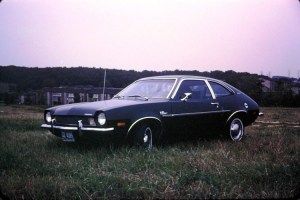
1971 Ford Pinto


Ford Pinto

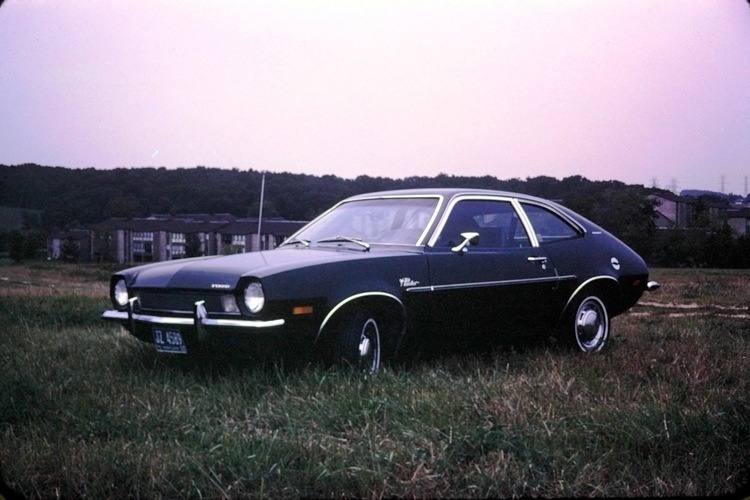
The Ford Pinto was nothing special, in and of itself. It was a relatively boring and practical subcompact economy car designed to compete with Japanese imports. Uncomfortable bucket seats, uninspired lines, and a subpar inline 4-cylinder engine meant that the 1971 Pinto was never going to turn heads. Unfortunately, Ford sacrificed reliability for production speed and cost. In 1977, damning reports emerged that the tiny car had squeezed the fuel tank right behind the rear bumper—resulting in explosive fires in the event of a crash.
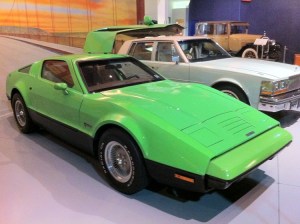
1974 Bricklin green right


Bricklin SV-1

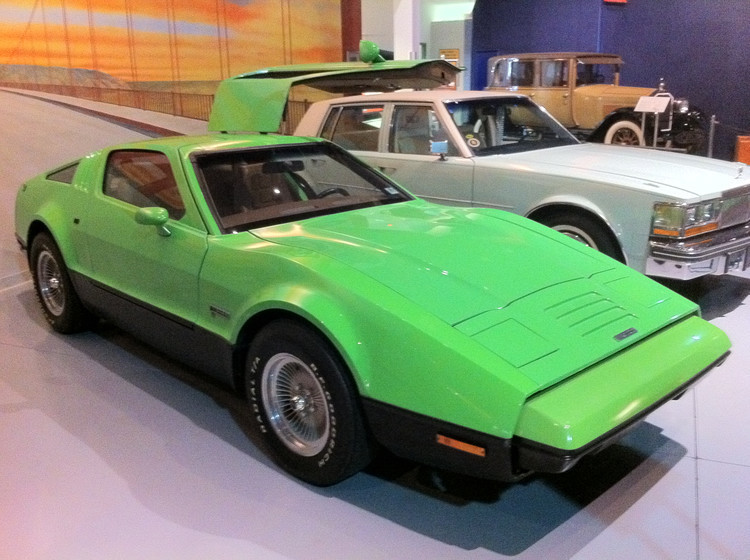
What happens when a multi-millionaire decides he wants to start his own automaker and slaps his name on the car? The Bricklin SV-1. This bizarre two-door coupe with gullwing doors and the appearance and color of a plastic toy was the pet project of Malcolm Bricklin. Bricklin convinced investors to sink millions into a brand-new car company and manufacturing plant in New Brunswick. Only 2,854 had rolled off the assembly line when investors balked and the government forced the company into receivership.
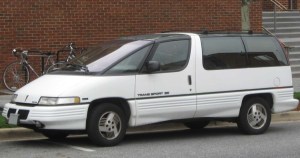
1990 Pontiac Trans Sport


Pontiac Trans Sport

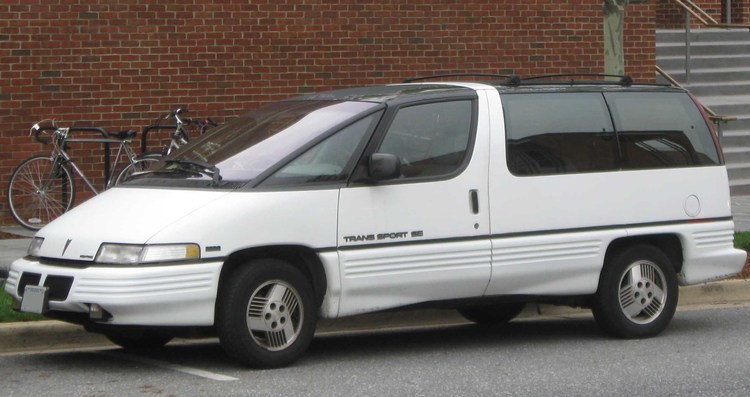
The Pontiac Trans Sport was a real disappointment even for minivan buyers. In 1986, General Motors was determined to contest Chrysler’s dominant position in the minivan market.
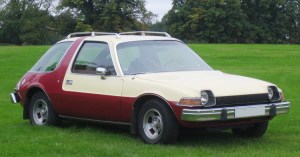
1975 AMC Pacer


AMC Pacer

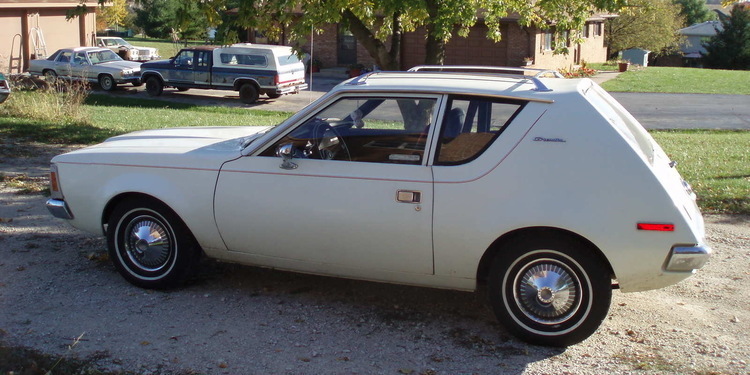
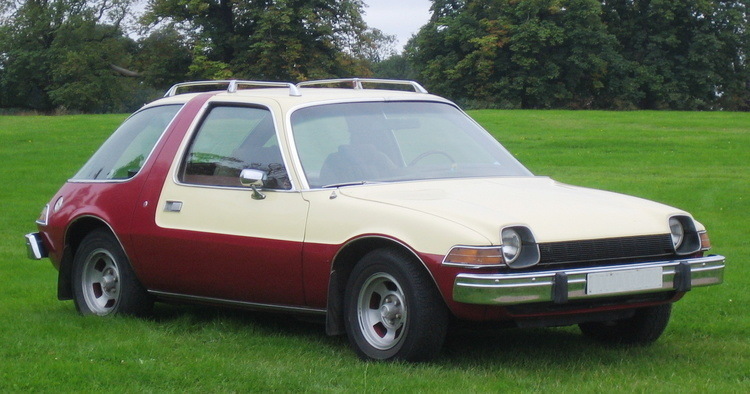
When the AMC Pacer came out in 1975 it was the toast of the automotive press, which called it “futuristic,” “bold” and “unique.” AMC even produced an electric version to respond to the gasoline crisis of the 1970s. The enormous glass bubble windshield and bizarre rear window earned the Pacer the moniker “the flying fishbowl.”  In production from 1975 to 1980.
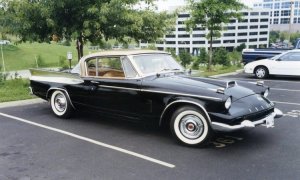
1958 Packard Hawk


Packard Hawk

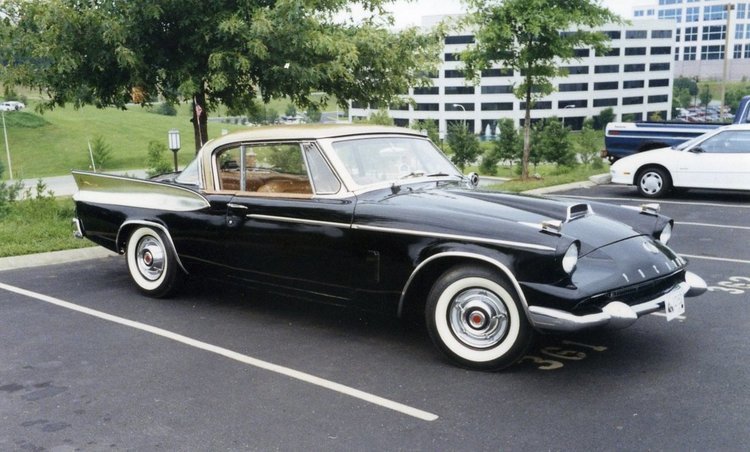
What happens when you combine two legacy automakers and pump out a shoddy combination of two great cars? The 1958 Packard Hawk, the last gasp of a dying marque. In 1954, the Big Three were starting to put the hurt on the competition. Smaller car companies were under a lot of pressure to compete and “merger fever” led to the marriage of Studebaker and Packard. Packard had been a luxury carmaker while Studebaker had a larger customer base and manufacturing capability.
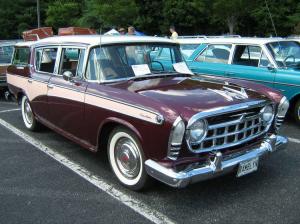
1957 Rambler Custom Cross-Country wagon AnnMD-e

Rambler Cross Country

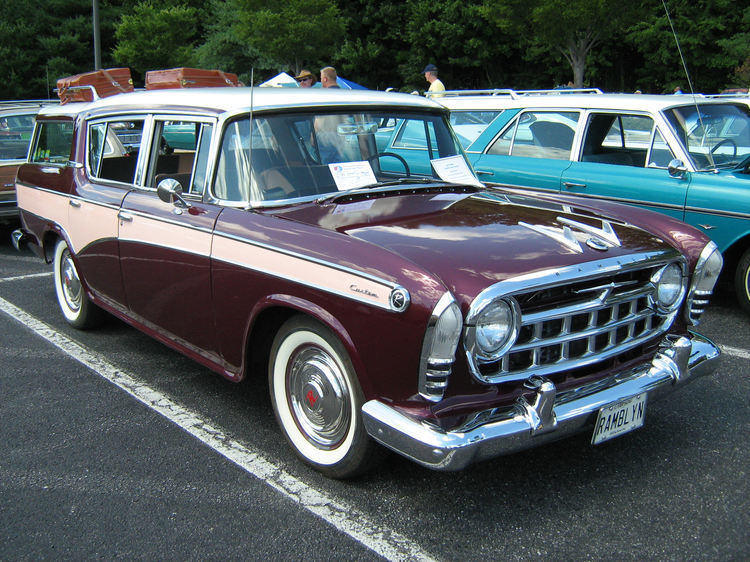
The Rambler was a wonky car that earned its place in American car history by standing out from the crowd in a good way. Rambler was a popular make produced by the American Motors Company but in 1957 the new company was still figuring out how to market and sell the vehicles. In 1954, AMC had been formed by the merger of the Nash-Kelvinator and Hudson Motor Car Company and the Ramblers had been rebadged interchangeably as Nash and Hudson cars and in 1955, the Rambler Six was a big hit. The affordable but stylish car pioneered the compact car in America! Drivers loved the new size and in 1957, AMC rebadged the Ramblers as their own marque to capitalize on their popularity. The Rambler Six was joined by the Rambler Cross Country, a four-door hardtop station wagon based on the previous compact.
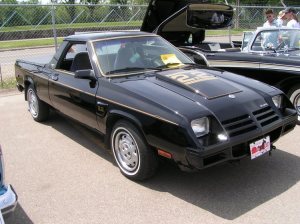
MINOLTA DIGITAL CAMERA

Dodge Rampage

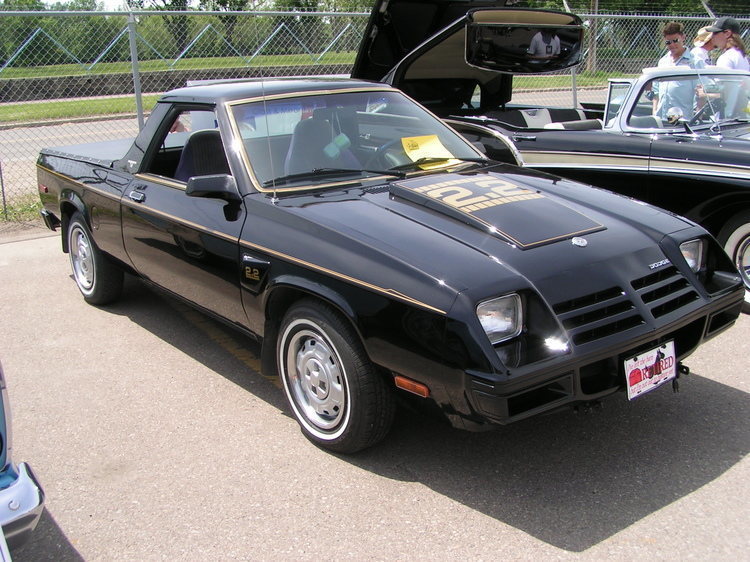
The 1982 Dodge Rampage is another coupe utility that had a bad attitude for an underperforming vehicle. The two-door coupe utility was built on a unibody subcompact car with a tiny cargo bed. Chrysler based the Rampage on the light L platform designed in response to the 1970s energy crisis. Unfortunately, what that means is that the Dodge Rampage ended up looking like a toy rather than a real car, but Dodge wanted it to be a monster truck! Let’s just say that it makes sense that the Plymouth clone using the same frame and design was called the “Scamp” rather than the “Rampage.”
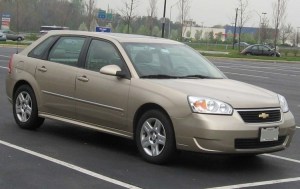
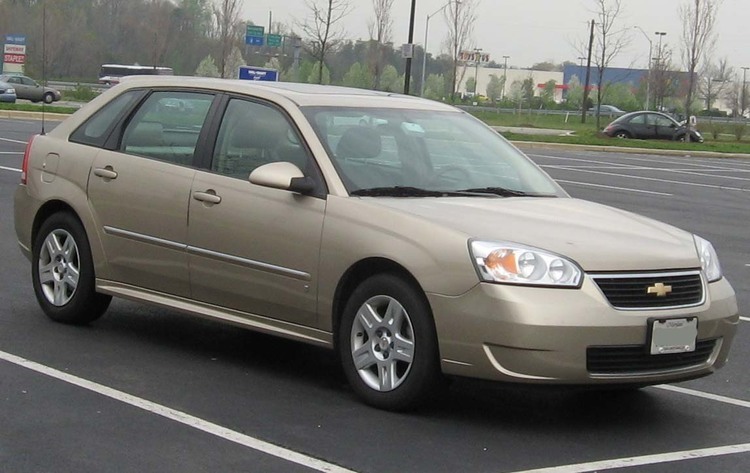
2004 Chevrolet Malibu Maxx


Chevrolet Malibu Maxx

In 2004, Chevrolet made the bizarre decision to take the solid if unremarkable Malibu and try and market an overloaded hatchback as an “extended sedan.” Hatchbacks were always a tenuous sell—attracting a certain type of driver who wanted efficiency and economy more than style or performance—and the Malibu was fighting an uphill battle to avoid falling in with the hatchback crowd.
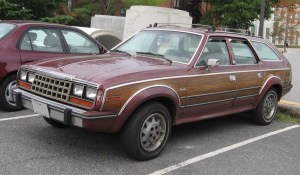
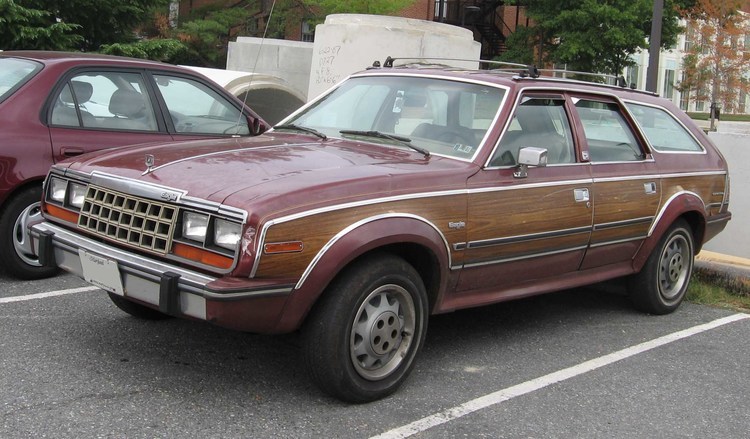
1979 AMC Eagle Wagon


AMC Eagle Wagon

Sometimes a wonky design can work miracles. Once again, AMC was back to pioneer a new market segment: the very first compact four-wheel drive passenger vehicle. Now it’s known as the very first crossover SUV. But at the time, AMC needed to update its aging passenger fleet and made a smart move to combine economy and fuel efficiency with the rugged appeal of the popular AMC Jeep. The resulting car was designed to be comfortable with good handling on the pavement and offroad. It wasn’t a full-fledged recreational vehicle, but an added benefit for regular drivers. AMC quickly added a station wagon marketed to families and drivers looking for an adventurous vehicle with good performance, and the Eagle Wagon was an immediate hit especially in regions with a lot of snow.
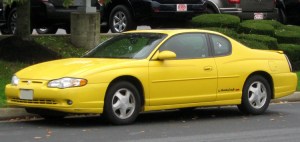
2000 Chevrolet Monte Carlo


Chevrolet Monte Carlo

The Chevrolet Monte Carlo billed itself as a “Super Sports” car drawing on Chevrolet’s racing legacy…and fell very, very short. The two-door coupe had sporty lines, but GM made some strange decisions when it came to the interior and what went under the hood. If you approached the Monte Carlo SS from the side, it looked good—not great, but good.
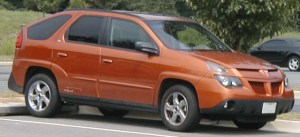
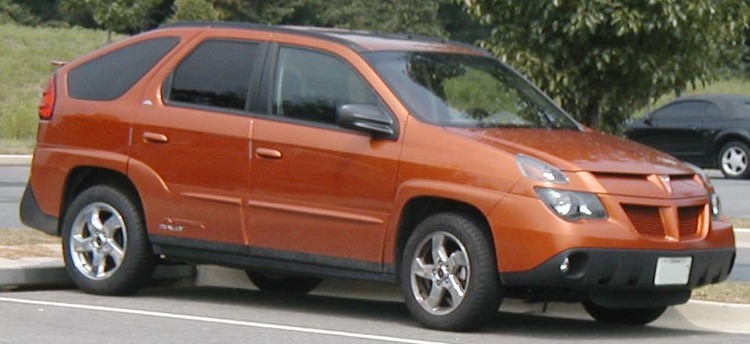
OLYMPUS DIGITAL CAMERA

Pontiac Aztek

Who can forget the car that killed Pontiac? The 2001 Pontiac Aztek will go down in history with one of the strangest designs in history. General Motors was trying to jumpstart a design renaissance after a decade of dull and uninteresting vehicles—unfortunately, it went a little too far with the Aztek. The designers were told to be aggressive, and they drafted an edgy mid-size sports crossover. On paper, Pontiac was trying to appeal to young new car buyers who wanted a fresh vehicle. But design drift saw the Aztek laden with the frills and features of a minivan, including an unfolding rear door with indented seats, a central console with a removable cooler, and even a camping add-on with an attachable tent and an inflatable mattress. Foolishly, the features jacked up the price to $22,000-$27,000, outside the price range of its target demographic of young consumers.  If the Aztek had the style to match the features and the price, maybe it wouldn’t have mattered.
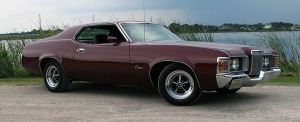
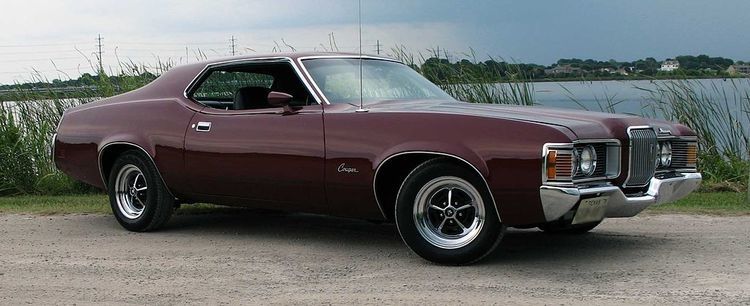
1971 Mercury Cougar


Mercury Cougar

The 1971 Cougar is a great example of the unfortunate decisions that can kill a great car. When the 1964 Ford Mustang first appeared it created a brand new type of car: the pony car, muscular and stylish but compact and affordable. Mercury was a marque that produced upscale versions of Ford vehicles at a higher price point, and in 1967 Mercury created a similar pony car to complement the Ford Mustang with a premium coupe with luxury and serious power. The handsome Cougars had a European flair and plush interior that differentiated them from their Ford counterparts without sacrificing speed and size. But in 1971, Mercury did everything it could to kill a great pony car.  A significant redesign witnessed the loss of the handsome flair of the original make.
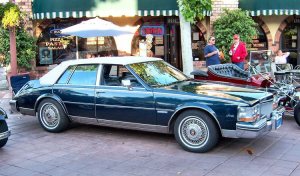
1980 Cadillac Seville


Cadillac Seville

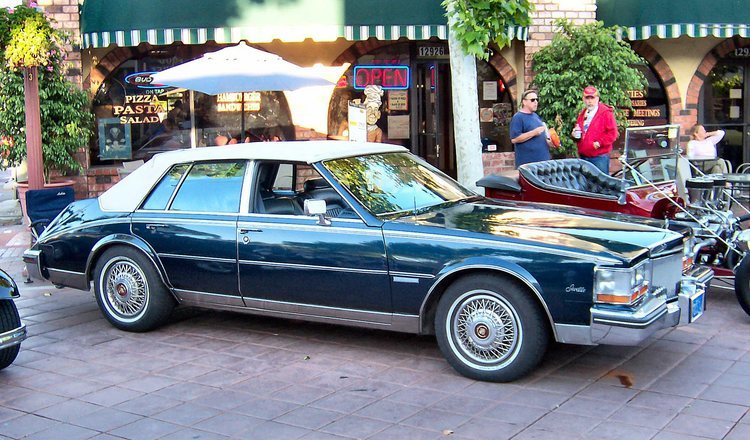
The 1980 Cadillac Seville was just a design disaster on almost every level. 1975, Cadillac struggled with competing luxury imports from Germany, BMW and Mercedes-Benz. Studies had shown that Cadillac attracted an exclusively older crowd, and GM decided to design a new sedan to attract younger buyers. The 1975 Cadillac Seville was a brand-new car, smaller and more compact than ever before with a crisp and angular appearance. Still, the new buyers were older than GM wanted, especially wealthy middle-aged women who liked a smaller car that was easier to park! GM design chief Bill Mitchell wanted to experiment further rather than stay the course and, unfortunately, designers created a car that appealed to his…unique…tastes.
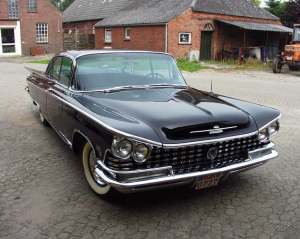
OLYMPUS DIGITAL CAMERA

Buick Electra 225

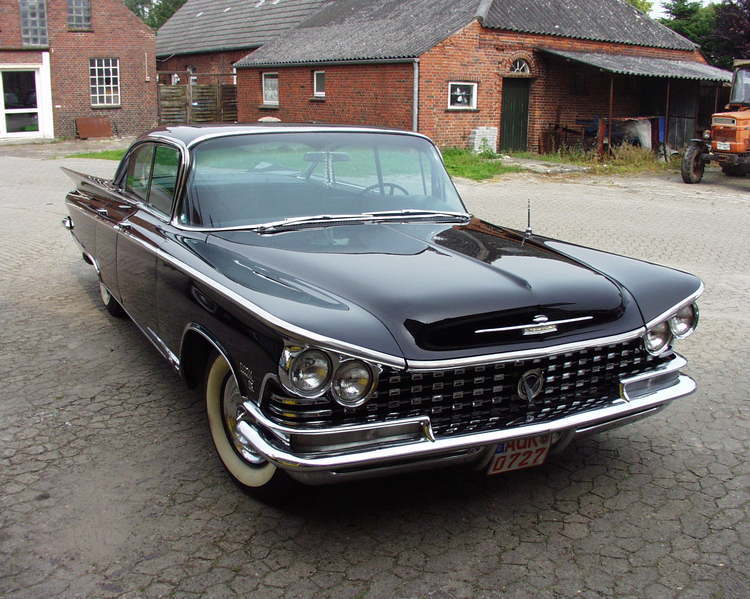
Some cars have style. Some cars have muscle. Some cars are just…bold. The colossal 1959 Buick Electra 225 was the last, best “King of Chrome.” Over eighteen feet long, the 225-inch “deuce and a quarter” was 4,900 pounds of premium in-your-face American automobile. In 1959, Buick was looking to reverse two years slump in sales with something fresh and bold. They radically redesigned the Buick lineup with all-new styling, wide molding, slanted headlights, and “delta” fins along the trunk that looked like a rocket ship. The Electra 225 was the crown jewel of the new lineup with impressive trim and luxury features.
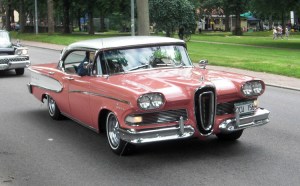
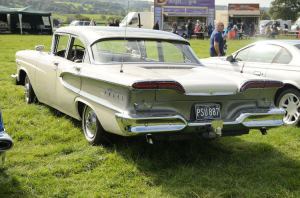
1958 Edsel Pacer1958 Edsel - rear photo


Edsel

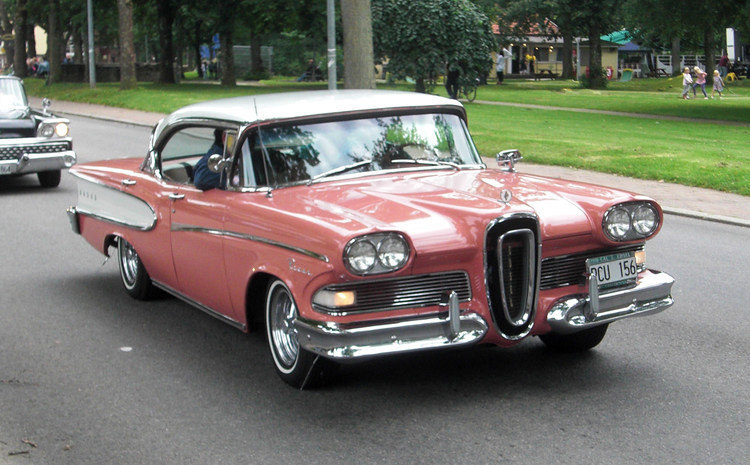
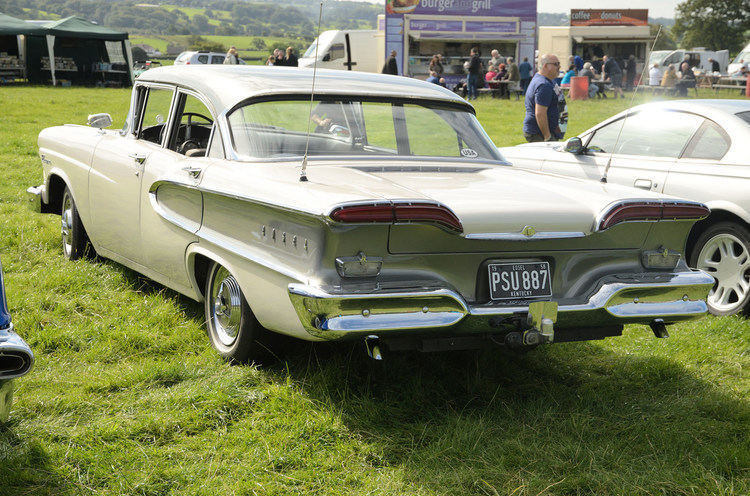
The fall of Edsel became a synonym for corporate disaster. You might not have heard of Edsel unless you’re a vintage car collector because Edsel cars were only produced and sold from 1957 to 1960. Developed as a new marque for Ford, Edsel was supposed to be a luxury car that could compete with Chrysler and GM and pioneer new technologies and a stunning new style.
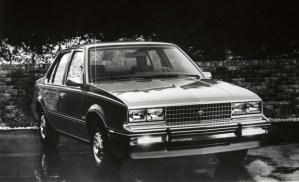
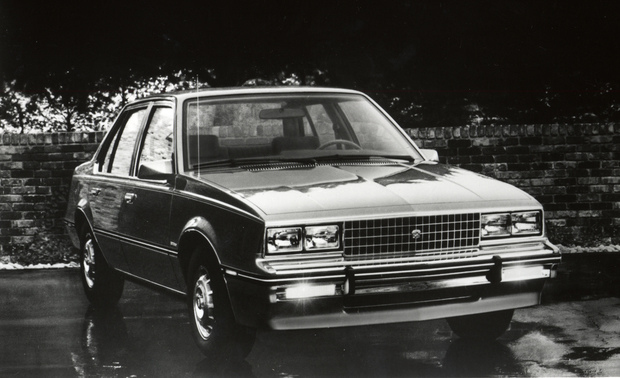
1982 Cadillac Cimmarron


Cadillac Cimarron

In 1982, Cadillac was back with a second attempt to sell a compact car against all odds. After the disappointment of the understrength, undersized Seville, you’d think that Cadillac would have been more careful! Cadillac still needed a new car that was less like a cargo barge and more like a speedboat. Smaller and more efficient imports from the likes of Mercedes-Benz continued to cut into Cadillac’s market share. While Cadillac struggled to identify a new design and a new name, General Motors had been working on a new platform known as the “J-Body” and Cadillac, desperate to bring a nimbler car onto the market, seized on the opportunity to cut costs and speed up production. Infamously, GM’s President Pete Este even warned Cadillac General Manager Ed Kennard that the new frame wasn’t ready for a luxury car, saying, “Ed, you don’t have time to turn the J-car into a Cadillac.” Kennard didn’t listen, or, worse, he didn’t care. The Cadillac Cimarron was born, a strange combination of poor engineering and wonky branding.
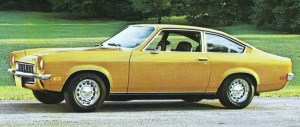
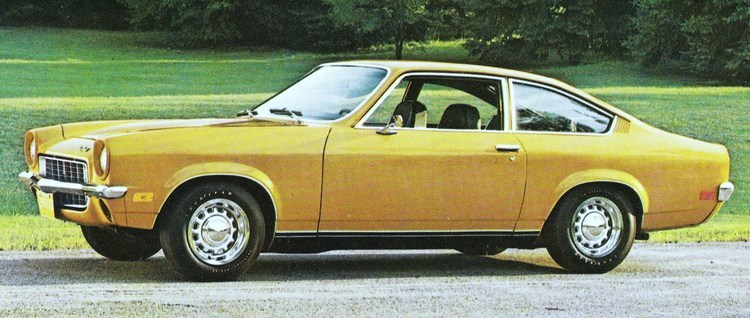
1971 Chevrolet Vega


Chevrolet Vega

The Chevrolet Vega as a kissing cousins with the Ford Pinto, the Vega lacked the explosive legacy of the Pinto but was plagued with a series of disastrous recalls. At first, the Vega seemed like a promising vehicle that could compete with a wave of imported compacts from Japan and Germany. The Vega had sleeker lines than the Pinto, with decent fuel economy and good handling. Initial sales were brisk, and soon hundreds of thousands were in the hands of drivers. That was when the first problems began to appear, compounded by the fact that the fraction of real lemons was magnified by the sheer volume of vehicles on the road!

1953 Hudson Jet


Hudson Jet

The crippling cost of developing and marketing the Hudson Jet was the final nail in the coffin for the small automaker. While the Jet was hardly a terrible vehicle, it was not a great one either, and the oversized and overpriced sedan was an ignoble end for the Hudson Motor Car Company. Hudson had once been one of the largest automakers in America, but by 1951 the company was struggling to compete with the Big Three. Saddled with an aging stable of luxurious full-sized cars when the market was shifting towards smaller and more practical vehicles, Hudson knew it needed a bold new model to recapture the public interest and put drivers in the seat. Unfortunately, money was tight, and Hudson didn’t have the financial leeway to take a lot of chances or develop a new full-sized vehicle that would appeal to their current owners. Instead, they pinned their hopes on a new “compact” inspired by the Nash Rambler.

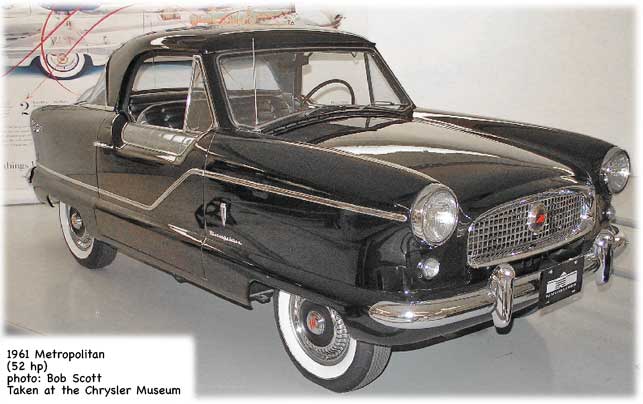
1961 Metropolitan


Metropolitan

This car is usually called the Metro. After launching the popular Rambler, Nash worked for many years on an even smaller car. Its first public concept, the NXI (Nash Experimental International), was shown in 1949, followed after one year by the NKI (Nash Kelvinator International). The name of the car was to be NKI Custom until shortly after production began, and new badges had to be retrofitted to early cars. The concepts were designed by independent stylist William Flajole, using the Fiat 500 chassis and running gear; the Nash Metropolitan was styled by Battista “Pinin” Farina.

Nash engineered the body and suspension, but they used Austin’s little 1.2 liter (73 cubic inch) four-cylinder A-40 engine. Small but well engineered, the engine had aluminum pistons, overhead valves, a counterbalanced crankshaft, and a Zenith downdraft carburetor. Its low compression (7.2:1) allowed it to use poor gasoline, but it only had 42 horsepower; 0-60 times were around 30 seconds, nearly double that of the flat-head six-cylinder Plymouth Savoy. The transmission was a three-speed manual column shift.

Starting in 1954, Austin built the Nash Metropolitan under contract, using Fisher & Ludlow bodies, in Longbridge, England. The car was then shipped to the United States. There were two models, both two-doors: a convertible and hardtop. They were unit-body designs, at a time when most cars were body-on-frame.

Shortly before the Metropolitan was launched, Nash merged with Hudson to form the American Motors Corporation. It would later drop both brands in favor of Rambler and, later, AMC, but for now, the staid, upscale Hudson dealers were sent Hudson Metropolitans.
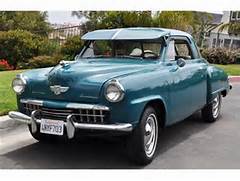
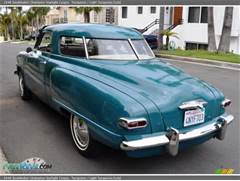
1948 Studebaker Coupe1948 Studebaker Coupe Rear


Studebaker

The Studebaker 1948 Coupe was a big hit. The design was unique because the rear looked like the front.
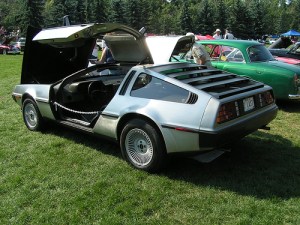
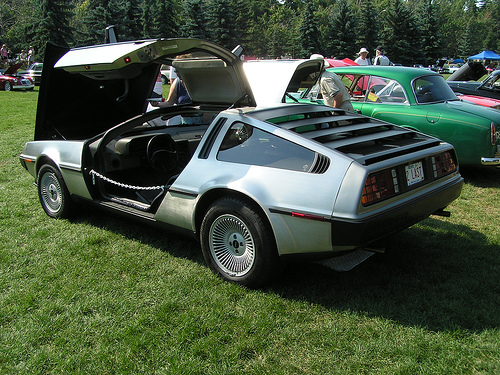
1983-Delorean-dmc


DeLorean DMC-12

The DeLorean DMC-12 is a sports car that was manufactured in Northern Ireland to be sold in America from 1981 to 1982. The car is most commonly referred to as the DeLorean, as it was the only model ever produced by the company. The first prototype appeared in 1976 and 9,000 DeLoreans were produced by 1982, when production stopped. Today, only about 6,500 of these cars are believed to exist. This car is most well known for being used as a time machine in the “Back to the Future” movies.
The Domino Effect of Outsourcing

From coast to coast, middle-class communities are shrinking

Fully 1 in 3 Americans who work in the manufacturing sector are receiving some form of public assistance, according to a study released this week by the UC Berkeley Center for Labor Research and Education. Of those who came to their positions through temp agencies half are on some type of safety net program. This was reported by CNBC.

I took a drive up to the Griffith Park Observatory here in Los Angeles last month. It wasn’t for going inside the building. It was a windy day and I anticipated a beautiful view from the parking lot. I was not disappointed. I obtained a photo that included a view of Catalina Island on the horizon. The distance is about 35 miles from the observatory.

I chose an alternate route back home and drove by Los Angeles City College. To my shock the sidewalk across the boulevard was lined with the tents and shelters of the homeless packed closely together. According to the Los Angeles Times there are now an estimated 44,000 homeless people in Los Angeles County. How did the numbers get so big?

Sports Chalet (more than 50 locations primarily in California) and Sports Authority (463 stores) are closing all of their stores. They started those closings last month. Kohl’s is closing 18 stores and laying off more than 1,500 employees. Where will the laid off workers go?

Back in November 2015 Macy’s Department stores reported a sharp drop in quarterly sales and lowered their forecast for 2016. Macy’s reported unsold goods piling up in their stores. Today they reported another quarter of sinking sales and once again slashed its financial targets for the rest of the year.

Meanwhile where are the jobs of the past here in Los Angeles and elsewhere in the United States? Those were the thousands of aerospace engineering jobs that were a major contributor to the strong California middle class that are mostly gone. The falloff in manufacturing jobs during the past 14-year period has caused factories to shed about 5 million workers from their payrolls nationally. Factories from all over the nation have moved to other countries. In their place are low paying service jobs that offer pay rates as low as $7.25, $15, and $25 an hour. Those jobs do not support a middle class family. They certainly do not support a Macy’s or Sports Authority price line.

Discount chains like T.J. Maxx and fast-fashion retailers such as H&M offering jeans as cheap as $17 and polo shirts for $10 are succeeding because that’s all today’s workers can afford.

So businesses keep outsourcing your work to low cost countries because you see it as a way to higher profits. Just remember that those of us left with those low paid jobs will be shopping at Walmart, Target, and the other afore-mentioned discount stores.  The vicious cycle continues to drive people from the middle class to poor and homeless.

Don’t tell me you do not know what happened to the middle class.

Foolishly Passed Laws and the Unintended Consequences

A Tale of Two Nafta Towns

This is a story about NAFTA. The theory must have been that lower tariffs between Mexico, Canada, and the United States would benefit businesses in all three countries. Who would have thought that American companies would move to Mexico? But that is precisely what happened.

The latest that received attention from Donald Trump are Oreo Cookies and Carrier Air Conditioning. There have been many others that come to mind for me personally.

Bloomberg Businessweek reported on the case of A. O. Smith, an electric motor manufacturer in the small southern Kentucky town of Scottsville (population 4,226). The factory employed 1,100 people. Randall Williams and his wife Brenda each earned $16.10 per hour. The factory closed and moved to Acuña, Mexico. The workers in Mexico earn $1.75 per hour. The Williams have new jobs that pay minimum wage. She works in the high school cafeteria and he fills orders in a local farm store.

Brenda and Randall Williams plan to vote for Donald Trump in November.

A Tale of the Consequence of Minimum Wage Laws

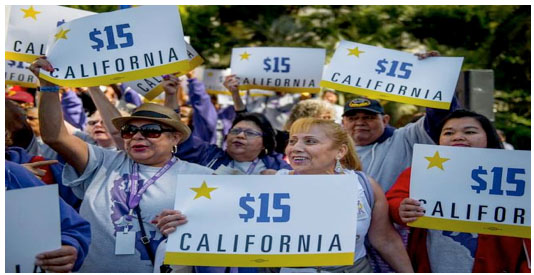
Florida’s governor is fishing for California jobs now that the minimum wage will be $10.50 per hour in January 2017 and $15.00 per hour in 2022.

Laws are passed by government without adequate consideration of possible unintended consequences.

Manufacturing and Minimum Wage Jobs in the 21st Century

Lower taxes might help domestic manufacturers but when the cost of labor in other countries is one-tenth the cost in the United States lost jobs will not be returned to this country.

Individuals assembling Apple’s iPhones in China allegedly work long hours for low pay. They work 11-hour shifts at a rate of $1.50 per hour. During each shift they are docked 20 minutes of pay (I assume for a lunch break). There earnings are $268 per month before overtime. This information is from a report in Business Insider.

GM, Ford Boost Mexico Output With $26-a-Day Workers.  Mexico’s share of North American auto production may rise at a quicker pace as General Motors Co., Ford Motor Co. and Chrysler Group LLC seek out workers making less than 10 percent of what their U.S. counterparts earn. This information is from a report in Bloomberg Businessweek.

For example crib maker Stanley Furniture Co. misjudged the willingness of Americans to pay more for domestically produced goods when cheaper imports are available. Meanwhile, the husband-and-wife entrepreneurs who founded 20-year-old Chesapeake Bay Candle have struggled to find workers who can do basic math. This information is from a report in The Wall Street Journal.

 Los Angeles, once the epicenter of apparel manufacturing has seen the outsourcing of jobs to China and Southeast Asia due to lower labor costs.

Do you really believe that Donald Trump will bring those assembly jobs back to the United States? Donald Trump does not agree with the idea of a $15 per hour minimum wage. I heard him say that. Los Angeles was once the epicenter of apparel manufacturing Los Angeles was once the epicenter of apparel manufacturing, attracting buyers from across the world to its clothing factories, sample rooms and design studios. But over the years, cheap overseas labor lured many apparel makers to outsource to foreign competitors in far-flung places such as China Los Angeles was once the epicenter of apparel manufacturing, attracting buyers from across the world to its clothing factories, sample rooms and design studios. But over the years, cheap overseas labor lured many apparel makers to outsource to foreign competitors in far-flung places such as China

Just to add to the difficulty in keeping jobs in America paid family leave regulations have been passed in New York and California.

Most web sites contend that government regulations are a significant cost to business in the USA. The problem is that every regulation has its supporters.

Unless Donald Trump intends to drive up the cost of clothing, cars, and electronic devices there is no way he can bring those jobs back to the United States. His ideas will spark a trade war.

The solution is retraining in areas short of workers. CNN posted an article listing 30 jobs needing most workers in next decade. How many people will take the opportunity by at least investigating the opportunities?

Technological Unemployment

From Wikipedia: “Perhaps the earliest example of a scholar discussing the phenomena of technological unemployment occurs with Aristotle, who speculated in Book One of Politics that if machines could become sufficiently advanced, there would be no more need for human labour.”

It has been reported repeatedly that Queen Elizabeth I of England refused to grant a patent for a weaving machine because it would put the hand weavers out of work. She was correct. It did.

I was talking with an acquaintance about the effects of AI (artificial intelligence) and IT (information technology) on the work environment and the elimination of many jobs. A touch plate at a fast food ordering counter could replace an order taker. So could many other jobs.

One job I held for 7½ years was a scheduling supervisor in a factory. I had decided to quit after about four years. The work was tedious and very stressful. It took me the next 3½ years to find work that would pay more and appeared to offer a chance of advancement. I was responsible for all the production schedules and work orders in the factory. If something went wrong in the middle of the night, the night foreman called me. Today that job would be done more accurately by a computer generated program that could accomplish my 40 plus hour weekly job in minutes.

My father was a structural engineer. He retired just as computers were beginning to be used to calculate stress analysis. His calculation tool was a slide rule. He was a mathematical genius. Today those calculations can be more accurately accomplished using a computer that would provide the results in minutes not hours. The drafting of the structure can now be provided by a computer driven drafting machine rather than a draftsman.

Perhaps the order taker at the fast food counter will still have a job preparing the order. Perhaps the mathematical genius will be working on a program in Silicon Valley. One thing is certain. All jobs that can be mechanized and/or computer driven will result in fewer jobs.

I rarely take my car to a repair garage because they too have been fitted with longer lasting components. Thanks to a well-made furnace and plumbing in my house the need for service maintenance is reduced. That means there is no growing need for service industry workers.

I have yet to hear anyone, neither politician, corporate leader, nor social engineer, explain how even the brightest people will care for their families when the number of jobs is in decline.

We have a serious societal challenge and no answers. Joel Kotkin and other commentators have observed the issue. Now what?

$15 Minimum Wage: Booby Prize for American Workers

By Joel Kotkin

(Joel Kotkin is R.C. Hobbs Presidential Fellow in Urban Studies at Chapman University. He is executive editor of New Geography … where this piece originated and executive director of the Center for Opportunity Urbanism.)

Almost everything that Mr. Kotkin has written is accurate. It is something those who pushed the $15 minimum wage law in Sacramento knows. The question Mr. Kotkin and everyone objecting to the new minimum wage fails to answer is: How does this society contend with a population that “has seen a rapid decline in traditional blue-collar jobs?” Those blue-collar citizens are the driving force behind the crowds drawn by Donald Trump and Bernie Sanders. They may not have the answers but they understand that the masses are in dire straits. Or perhaps there is no solution and Mr. Kotkin is correct in concluding that we are going to return to a feudal society.

This article has been abridged.

$15 California

NEW GEOGRAPHY–In principle, there is solid moral ground for the recent drive to boost the minimum wage to $15, with California and New York State taking dramatic steps Monday toward that goal. Low-wage workers have been losing ground for decades, as stagnant incomes have been eroded by higher living costs.

Yet if the campaign to boost the minimum wage reflects progressive ideals, the underlying rationale also exposes the failure of these high-priced cities to serve as launching pads for upward mobility for the vast majority of their residents. In effect, the fight for $15 is a by-product of giving up – capitulating on the idea that better opportunities can be created than the menial service jobs that increasingly are the only opportunities for the urban poor. Higher wages will make these jobs moderately more tolerable, while further cementing the wide gulf between the haves and have knots.

New York, San Francisco, LA and Seattle are at the forefront of a new urban economy, based on industries such as finance, technology and media, that generally creates jobs for the highly educated only. Virtually every region at the cutting edge of the minimum wage movement has seen a rapid decline in traditional blue-collar jobs — notably in manufacturing — which often paid well above the minimum wage, and offered potential for further individual advancement.

In these and other core cities, we are seeing something reminiscent of the Victorian era, where a larger proportion of workers are earning their living serving the wealthy and their needs as nannies, restaurant workers, dog-walkers and the like. In New York City, as of 2012, over a third of workers were employed in low-wage service jobs, a percentage that rose through the recovery from the Great Recession, according to a study by the Center for an Urban Future.

Given shrinking opportunities for middle and working class people, it’s not surprising that many seek a more direct redress from the government.

Essentially the minimum wage campaign rests on the notion that traditional middle class uplift cannot be achieved. The problem is, a $15 an hour income represents hardly enough to pay the rent for a small apartment anywhere near the blue cities where the new minimum will hit first.

The  impact in California will, if anything be larger, as the wage hike will be imposed in a wider fashion on a hugely diverse state.

To be sure, higher wages could be a blip in wealthy and thoroughly de-industrialized places like San Francisco – if higher labor costs boost the price of beet-filled ravioli, it doesn’t undermine the market in a place where hipsters and elite workers still have dollars to spend.

Perhaps the greatest beneficiaries of the minimum wage hike will not be the bulk of lower wage workers in blue states, but the people who increasingly dominate their economies.

And as the American Interest recently predicted, those most likely to benefit down the line from the higher wages will be the tech companies that will come up with the software and automated systems that replace the service jobs now made less economically competitive by the wage hikes. It’s not a loony fringe concept: the President’s Council of Economic Advisers recently estimated that lower-wage service jobs have an 80% probability of being automated.

So in the end, a $15 minimum wage, set in the low growth economy of our times, may end up boosting the very class-based hierarchies that are already increasingly evident. Ultimately it may represent a case of a well-intentioned measure that, while sounding radical, only accelerates our road back to feudalism: a society dominated by the few where many depend on the generosity of their betters and the middle class, already shrinking, fades into the dustbin of history.