A trip to Europe

After 50 years of marriage I decided to reward my wife for putting up with me all those years.  We agreed on a Mediterranean cruise on a luxurious cruise line.  We chose the too expensive Oceania Riviera.  From beginning to end, the trip took two weeks from the time we left for the airport until we arrived at home.


Perhaps I should have titled this posting “Ship of the Drunk” because many of the people had a martini glass or a glass of wine in their hands from morning to night.  Many who I spoke to were clearly inebriated.

The trip started with our flight to Barcelona Spain.  When we arrived at the hotel some of the first words from the desk clerk were “pick pockets are a problem here but it is mostly safe.”  We would be alert for the entire trip when we walked on the streets of every port on the cruise.

We had been concerned with summer heat and crowds and had specifically chose a spring trip.  It turned out we were rewarded with cold, wind, and some rain.  Even in the spring the crowds were everywhere as if it was the summer season.

Oceania Riviera’s staff was outstanding.  We were treated like a king and queen.  The veranda suite B3 category was one the most common suites on the 7th deck.  it had a a balcony that included two chairs, two chaise lounges and a table. The bathroom included a full sixed bathtub, a shower and a sink.  The storage space was more than adequate.  The food was excellent and the service in the dining areas was outstanding,  They even insisted on taking our filled plates to our table in the buffet dining room.

The downside on the ship was the excursions.  They were expensive and most started at 8, 8:30, and 9 AM.  Thanks to the shuttles the ship provided we went into the nearby towns.  We missed a lot of sightseeing destinations but my wife was happy.  The whole trip was for her after all.  I would have gotten up for some early morning excursions.

Here is a list of the ports

Barcelona, Spain

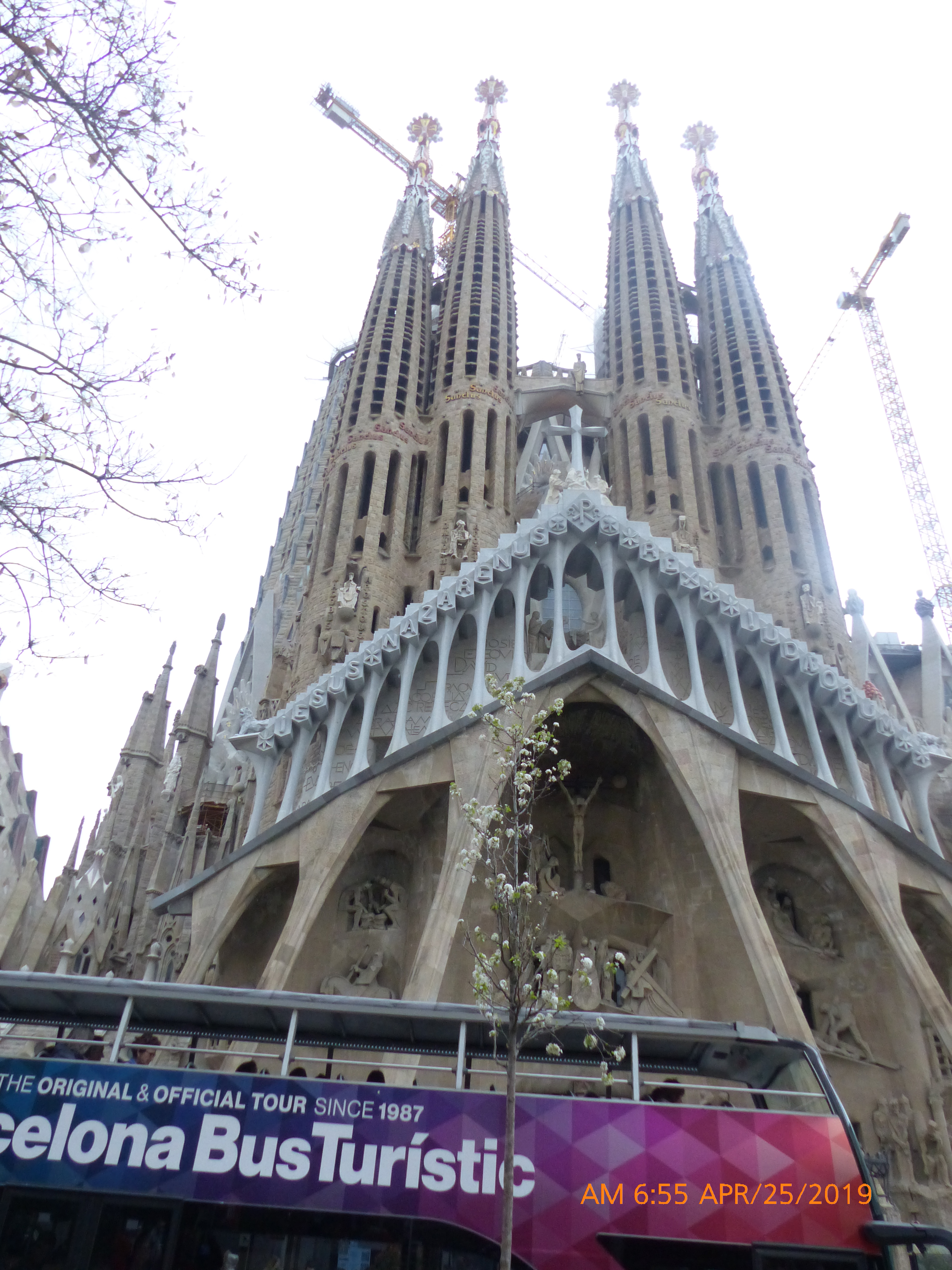
Most interesting there is La Sagrada Familia.  That is a church that has been under construction for over 100 years.  How did they build it before 20th century construction cranes?
 

 Palma de Mallorca, Spain

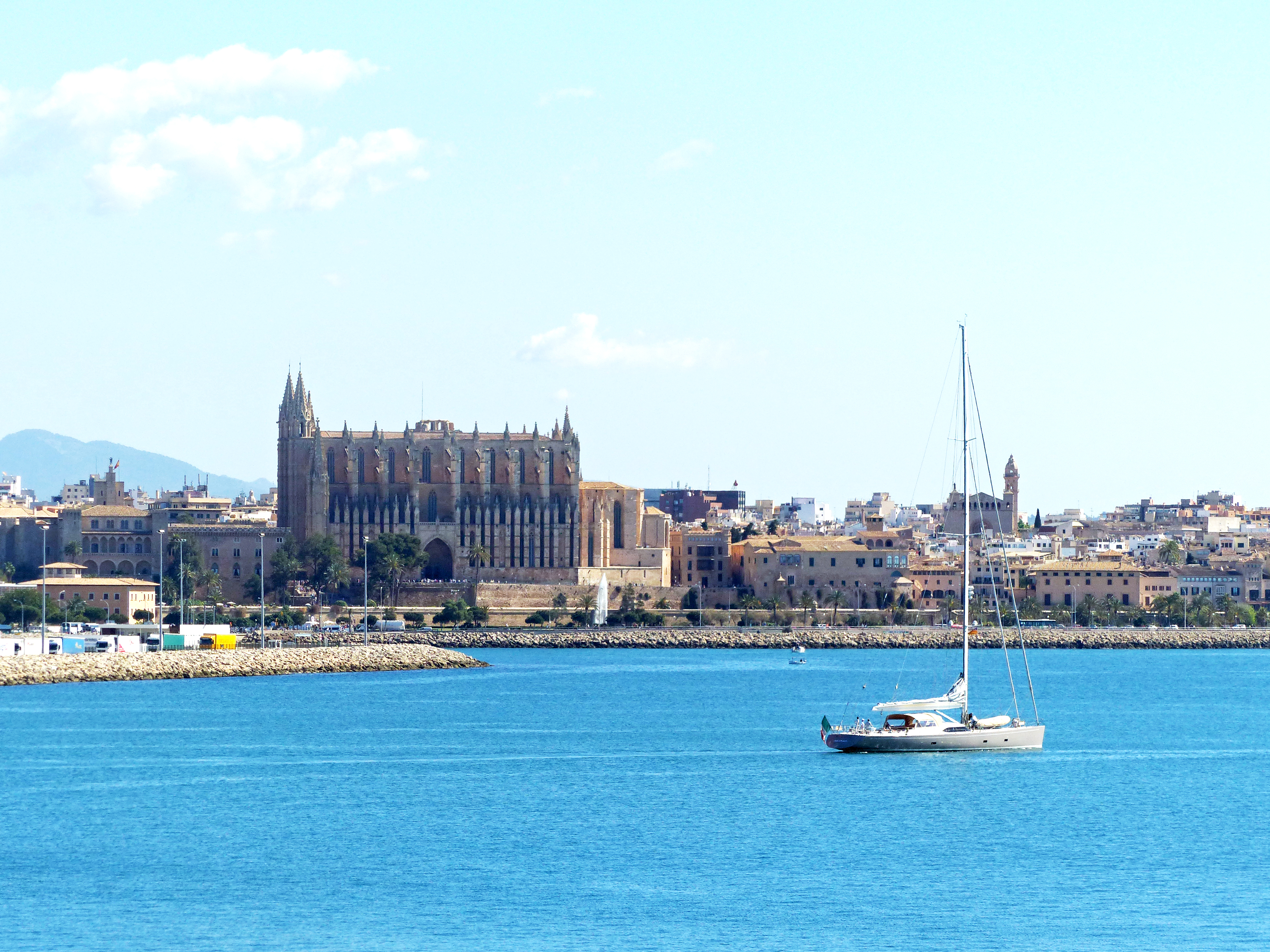
This is an island in the Mediterranean Sea that is part of Spain.  Not too much to see here.  Cathedral of Santa Maria seems to be the highlight.
 

Marseille, France

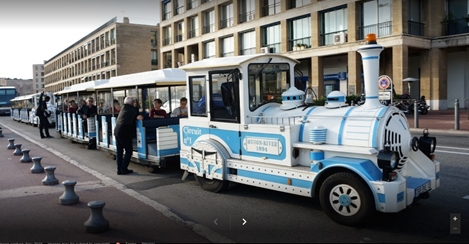
A ride on a Le Petit Train Touristique to Notre Dame de la Garde Basilica gave us a ride up and down the hills of the city and a view of the port.  Some of the streets are as steep as many in San Francisco.
Monte Carlo, Monaco

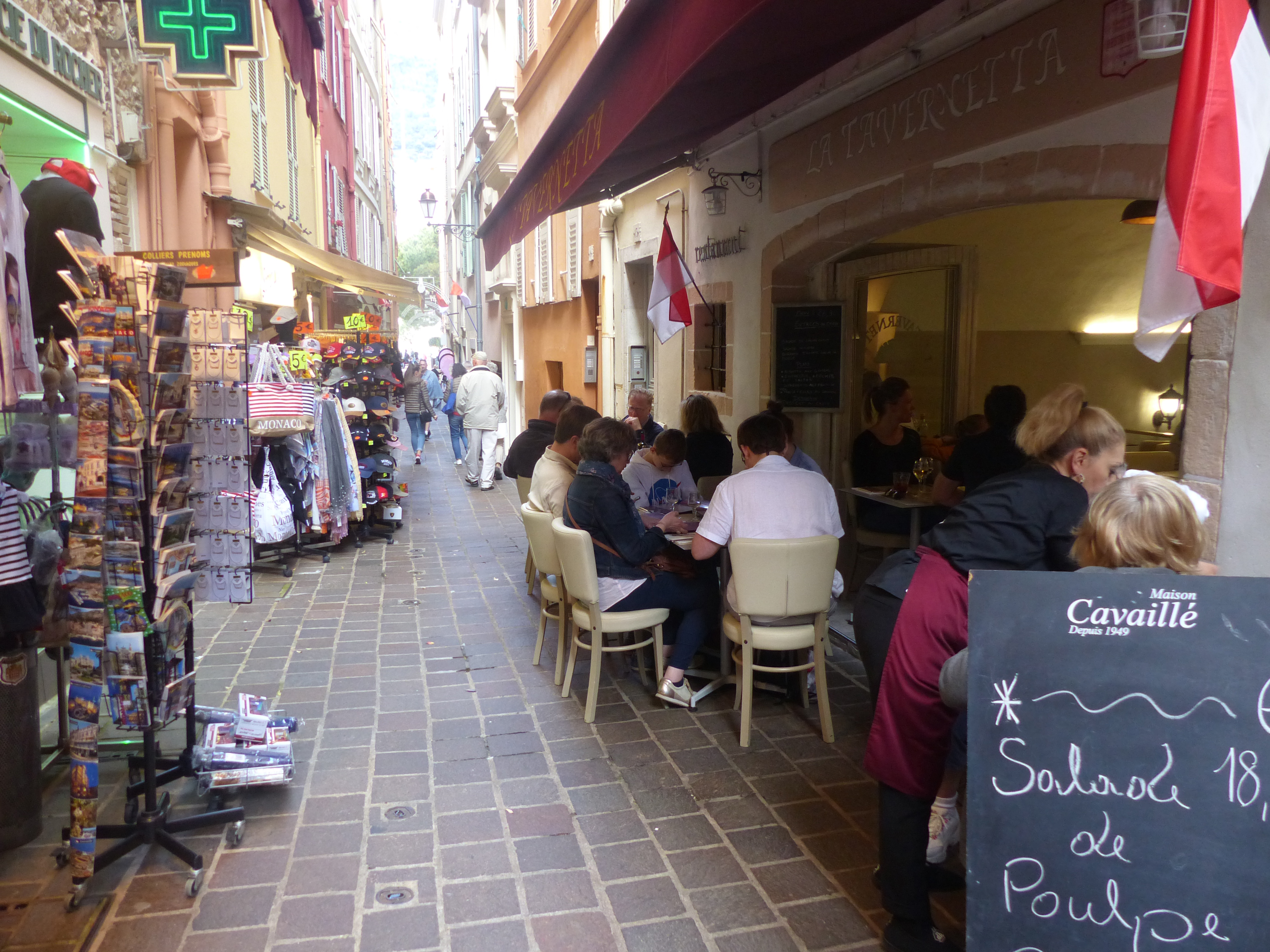
Narrow streets and a view of the barricades permanently in place for the famed Monaco Grand Prix Formula 1 race were highlights of our tour of the city.  Of course there is the famous casino identified to us by its green roof.  The port as all ports we visited were parking places for hundreds of yachts.


Antibes, France

Not famous for anything. Just a pretty town on the Mediterranean coast.  This photo was taken from our veranda on the ship using the panorama setting on my camera.
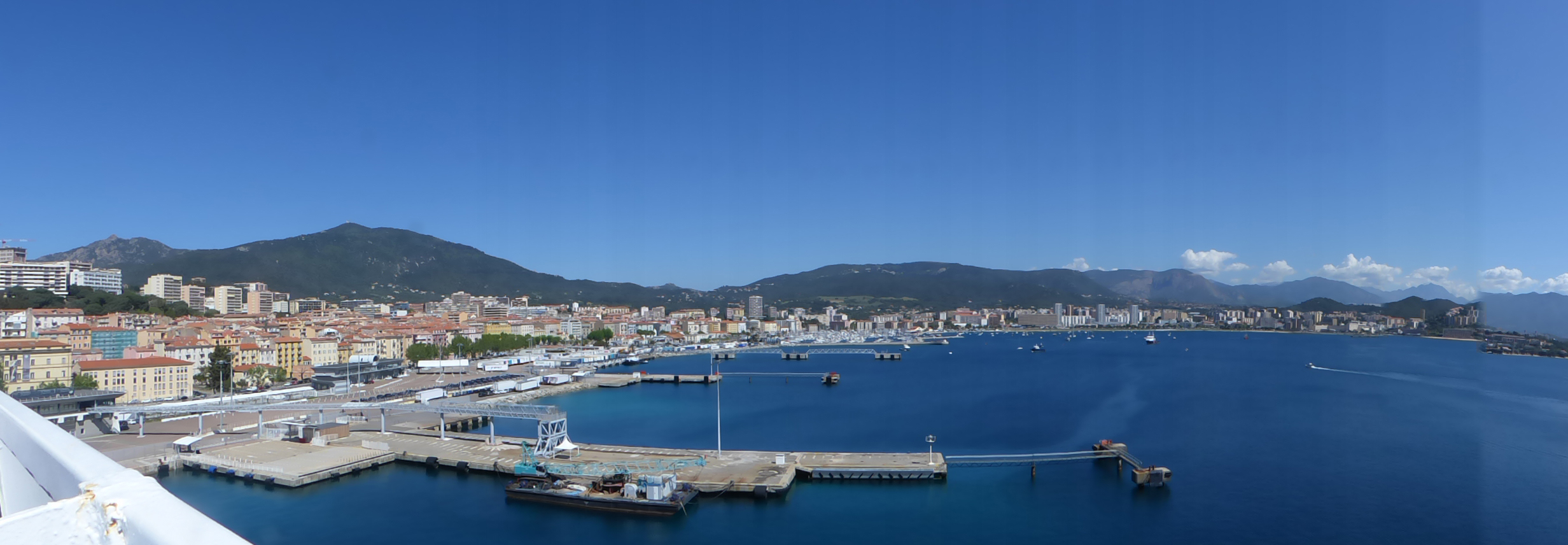
 

Ajaccio (Corsica), France

An island where the people are more connected to Italy than France said the driver on our excursion.  Corsica has no significant economic purpose and it appears that cruise line visits are now an important part of their income stream.

It was partly cloudy  at the port with a chilly wind.  The excursion took us to Corisca at Hotel Restaurant Monte D’Oro in the mountains where there was a persistent slow rain.  Inside were treated to a plate of cheeses, meats and a glass of wine.  My camera under my jacket to keep it dry.
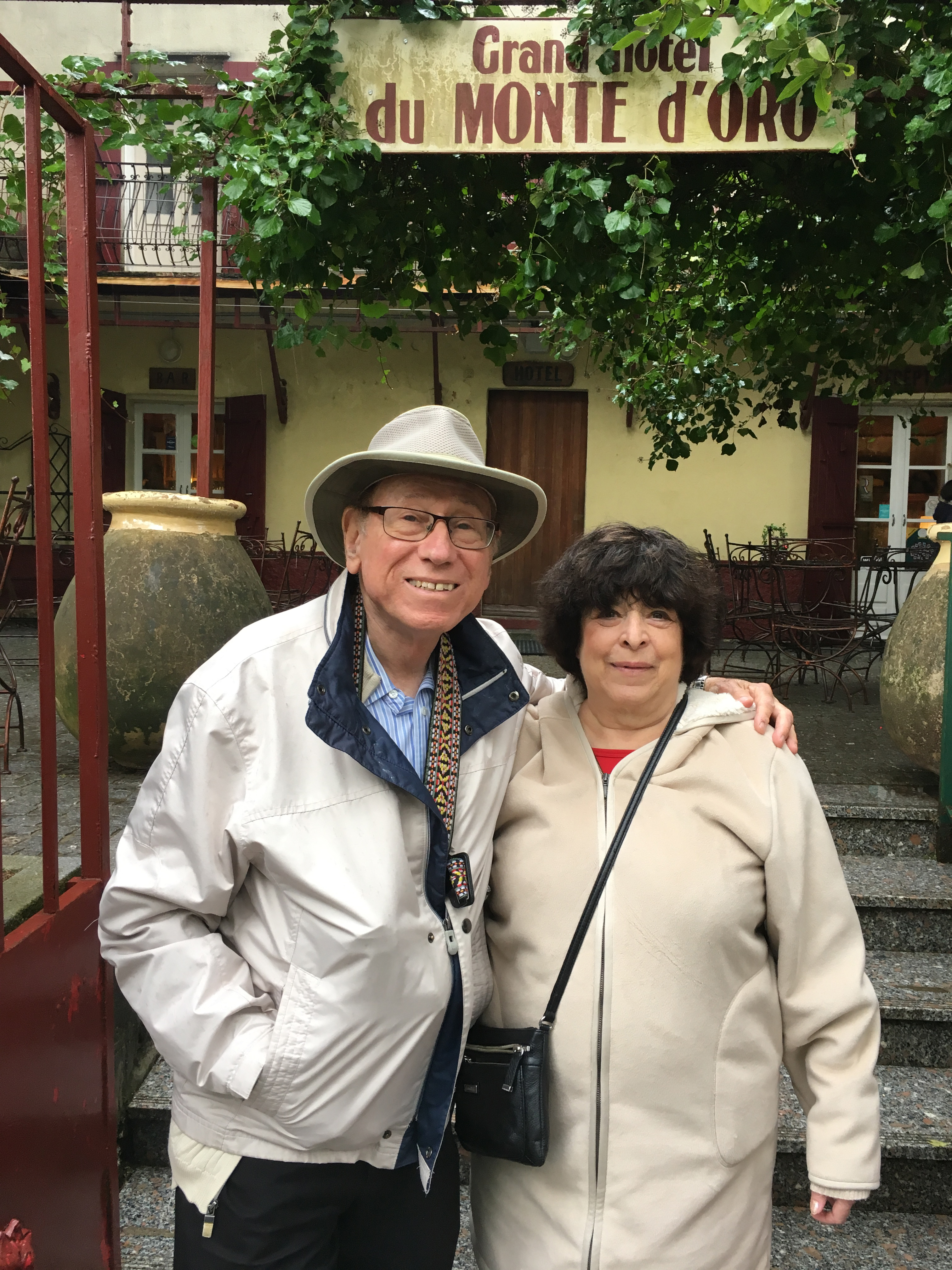
 

Florence/Pisa/Tuscany (Livorno), Italy

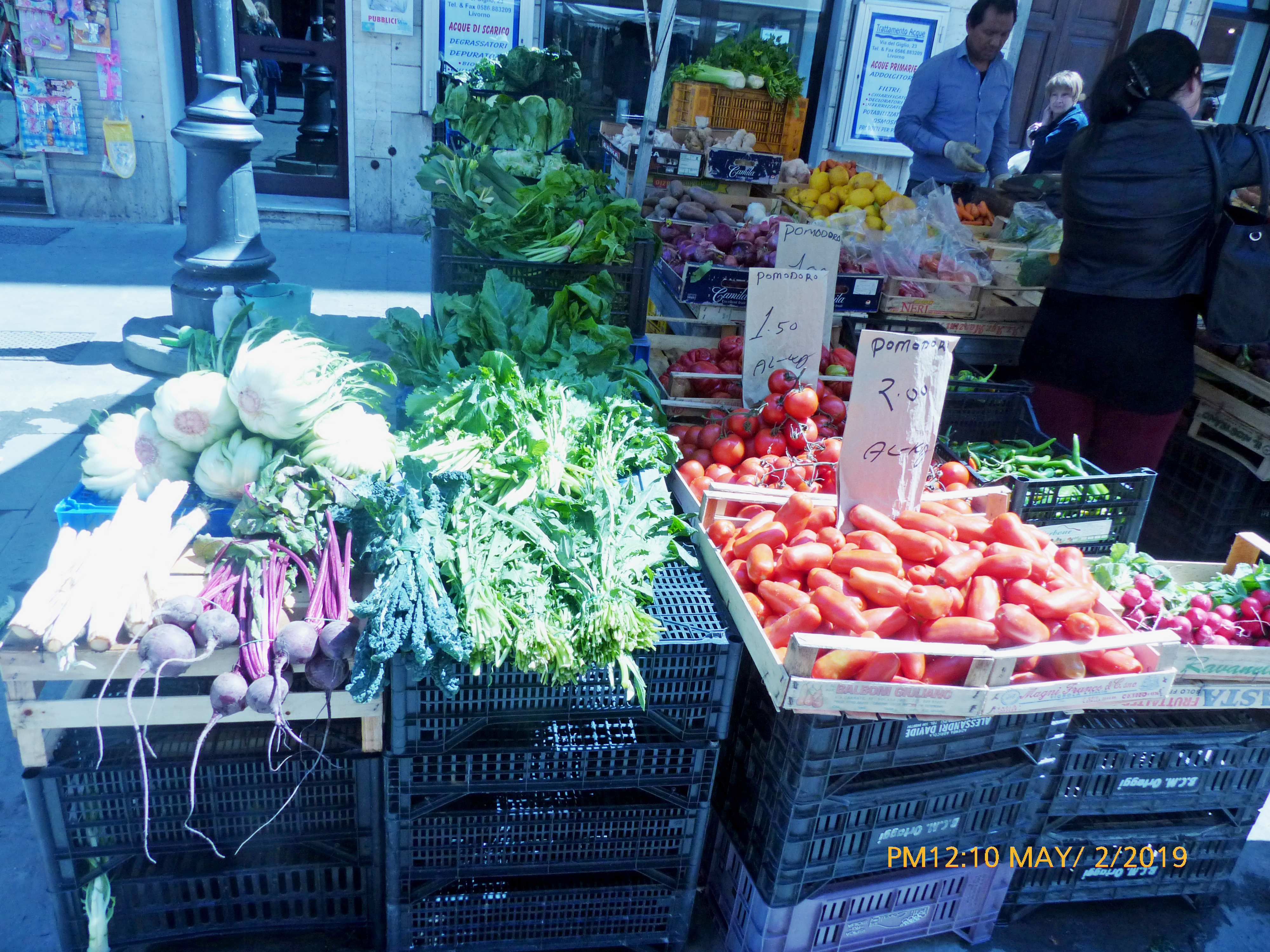
The port was Livorno.  We never made it to Florence or Pisa.  Barbara was not feel well so I took the Oceania Riviera shuttle into the town.  the most interesting thing I saw was the farmer’s market.  The selections were not the mundane variety seen in Los Angeles farmer’s markets.  The food really looked like it had been picked that very day.
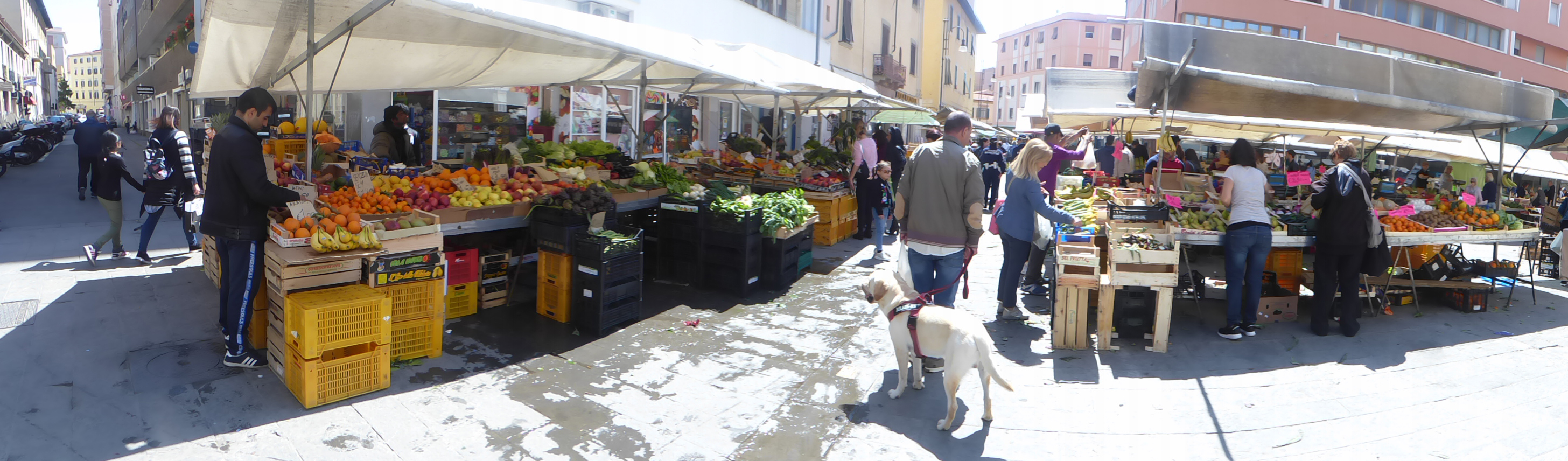


Rome, Italy

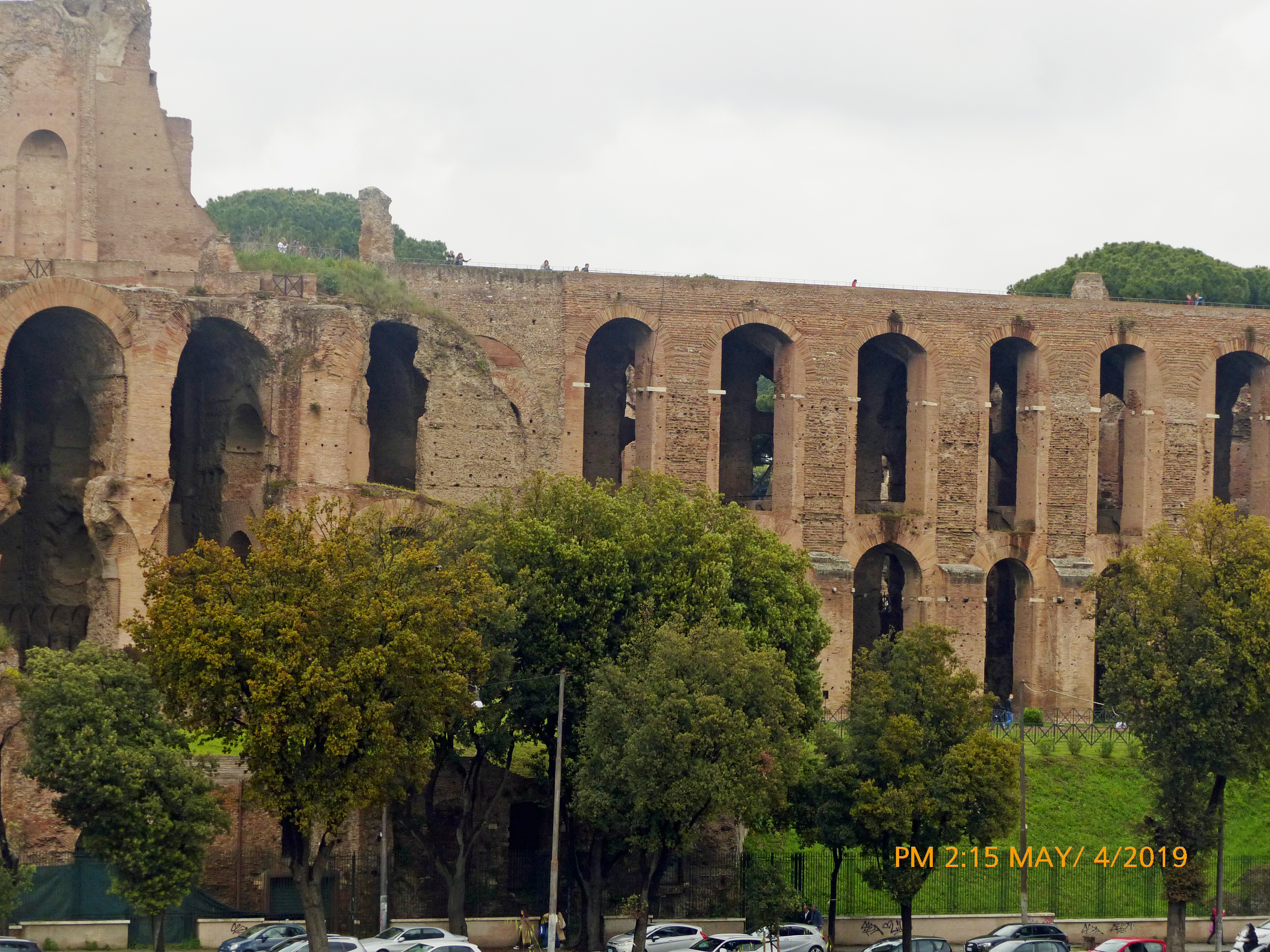
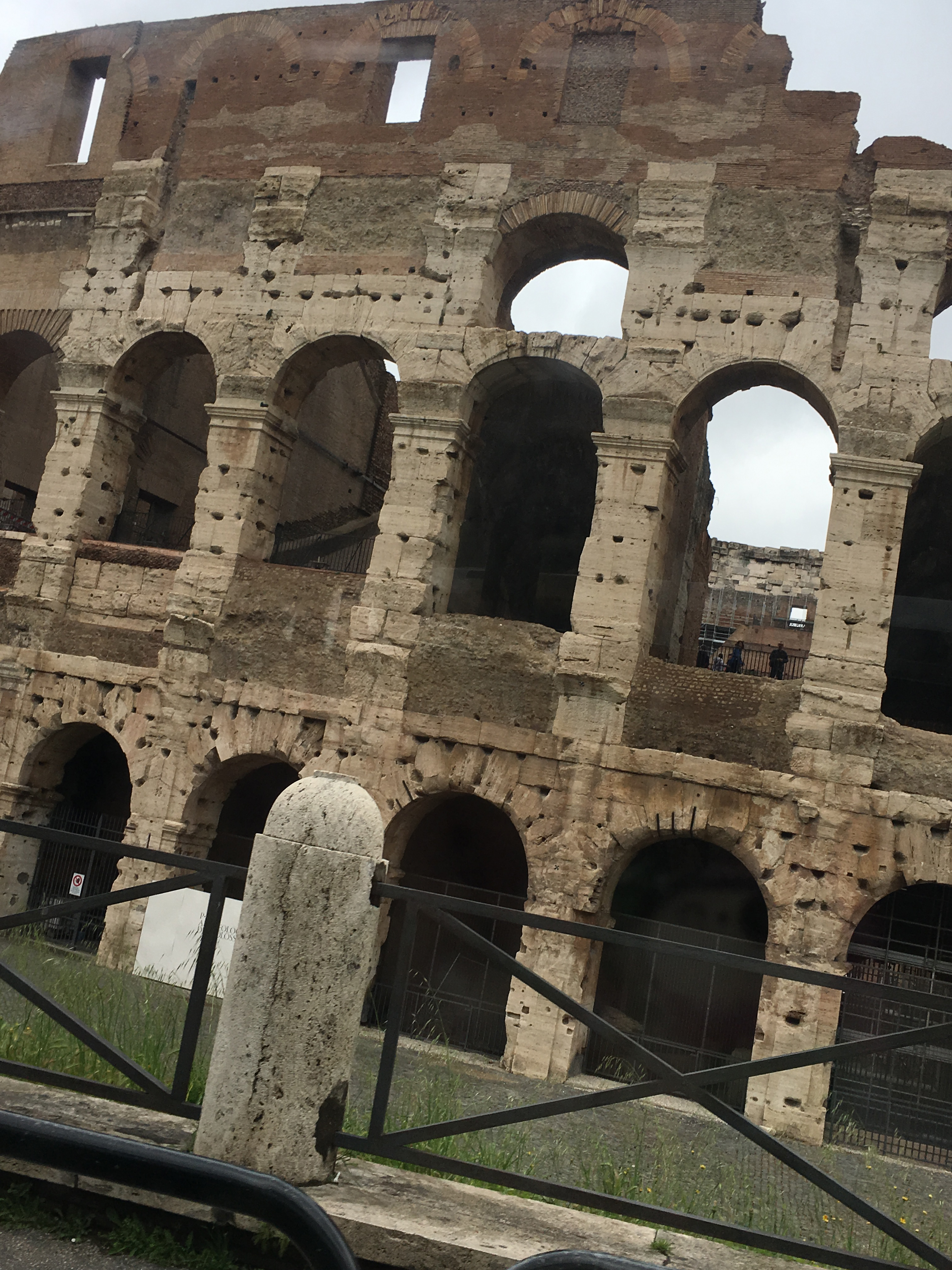
After disembarking the ship a car took us to our hotel in Rome.  We were there for three nights.  It was cold a nd rainy the entire time we were there.  That did not deter those who were willing to stand in line for hours to enter the Vatican or the coliseum.  We decided it was not worth the wait.  Still the hop on hop off gave us a view of the many sites.
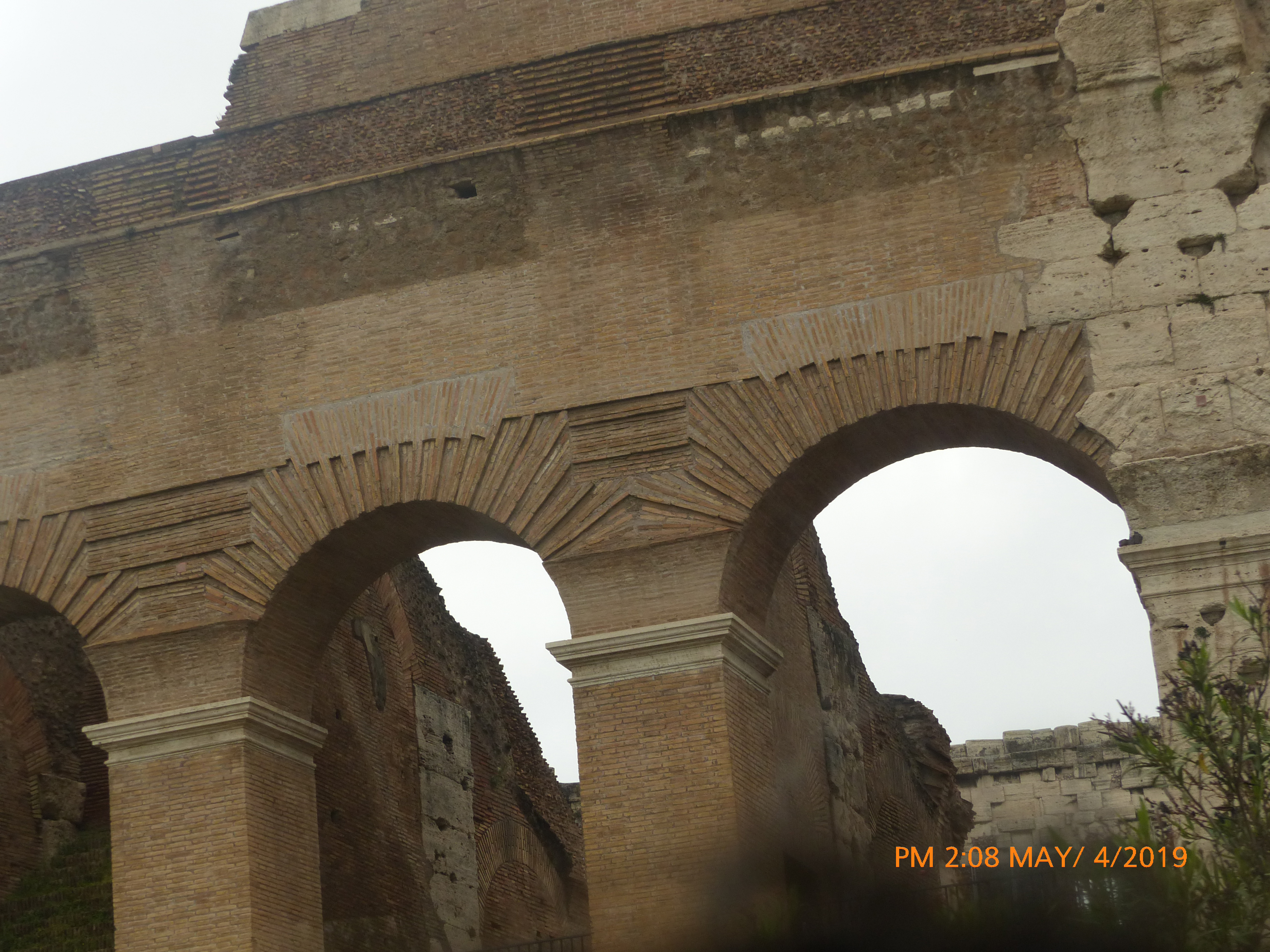


The trip home was long and we arrived home on Tuesday May 7 at 1:30 AM.

It was great fun and a trip I will never forget.
The Best Things to do in Fargo, North Dakota

Lilit Marcus, CNN • Updated 9th August 2018

Fargo, ND (CNN) — If you live outside of the United States (or, possibly, in it) and have heard of the small city of Fargo, odds are good that it’s from the Coen Brothers movie than won Frances McDormand her first Oscar.

But adventurers willing to explore the largest city in North Dakota will find an underappreciated art scene, incredible craft beer and cider and friendly locals in this off-the-beaten-path destination.

Here are the best things to do in Fargo when you travel there — woodchipper not included:

A cool, crisp morning in Fargo pairs beautifully with a bagel from BernBaum’s.

The tiny downtown deli is a mix of Scandinavian and Jewish traditions — it may sound weird until you realize how much both cultures appreciate smoked fish.
A bagel and lox plate is a solid bet, but if you’re feeling adventurous — or dreaming of Tel Aviv — ask for za’atar, labneh and other Middle Eastern flourishes.

If you prefer sweet to savory, head to Sandy’s Donuts for your standard cream-filled bismarks along with edgier offerings like “dirt and worms” (that would be crushed Oreos and gummy worms).

Down the block is uber-fashionable coffee shop Young Blood, where baristas swap out vinyl records between making lattes. You won’t need Shazam to tell you what song is on — employees will display the record cover above the register for reference.

At dinner time, head to the HoDo Lounge (inside the Hotel Donaldson, which we’ll get to later) for tastes of fresh food from the Red River Valley region. Highlights include shrimp and grits (who knew they could be so good so far north?), seared tuna steak and the obligatory bison burger.

BernBaum’s, 115 Roberts St N, Fargo, ND 58102, (701) 306-4131
Sandy’s Donuts, 300 Broadway North, Fargo, ND 58102, (701) 478-1155
Young Blood, 623 2nd Ave N, Fargo, ND 58102, (218) 770-4728

Like many other Midwestern cities, Fargo has a thriving beer scene.

If you’re in downtown Fargo, several excellent breweries are in walking distance, most notably Fargo Brewing and Drekker — the former is known for pale ales and shandys while the latter is faux-Scandinavian (the name, as a sign in the tasting room explains, is a made-up word intended to sound Nordic) with hearty IPAs.

If you were planning to check a bag, Fargo Brewing sells its best beers — including, sigh, a Wood Chipper IPA — in cans ready to be packed up.

Downtown is also home to Wild Terra, North Dakota’s first cider bar.

The menu helpfully breaks down the major types of cider (“cider beer does not exist”) as well as meads and honey wines, and vegetarians having a tough time in the area will appreciate the plant-centric bar snack menu.

If you feel like a drive, it’s a ten-minute trip over the Red River to Fargo’s sister city of Moorhead, Minnesota.

There, Junkyard Brewery is beloved by locals who appreciate their daring brews like hoppy peach sour and guava milkshake (no, really, it’s better than it deserves to be).

Fargo Brewing Company, 610 University Dr N Fargo, ND 58102, (701) 478-BEER
Drekker Brewing Co, 630 1st Ave N #6, Fargo, ND 58102 (701) 540-6808
Wild Terra Cider and Brewing, 6 12th St N, Fargo, ND 58102, (701) 639-6273
Junkyard Brewing, 1416 1st Ave N, Moorhead, MN 56560, (701) 936-5545

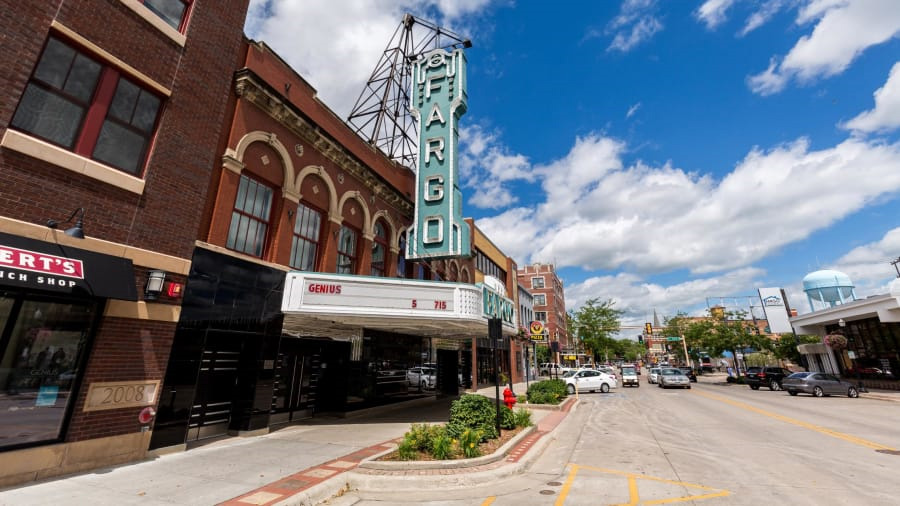
If Fargo has a main drag, it’s Broadway, where in just a few minutes you can pass by a boatload of independently owned shops. The treasure of them all is Zandbroz (the second syllable is pronounced “bros,” like “cool story, bros”) Variety.

“Variety” is accurate — the shop sells new and used books, candles, perfume, greeting cards, stationery, herbal tea, pottery, jewelry and more, all with a hearty helping of North Dakota pride.

Although the eclectic mix could be overwhelming, it works because every item feels hand-chosen.

Just down the block is Unglued, where local makers sell their crafts — as the store helpfully explains, “it’s like Etsy in real life.”

Next door is Stabo Scandinavian Imports, a place for North Dakotans — many of whom have Scandinavian heritage — to go full hygge with knitwear, chocolates, baking supplies and more.

But the centerpiece of Broadway is the Fargo Theatre, a National Register of Historic Places-listed Art Deco cinema and theater whose neon sign is the most recognizable image in town.

Even if you’re not going to see a performance, you can usually get a staff member to let you poke around inside the building.

Zandbroz Variety, 420 Broadway N, Fargo, ND 58102, (701) 239-4729
Unglued, 408 Broadway N, Fargo, ND 58102, (701) 205-1597
Stabo Scandinavian Imports, 406 Broadway N, Fargo, ND 58102, (701) 282-0421
Fargo Theatre, 314 Broadway N, Fargo, ND 58102, (701) 239-8385

Fargo’s small downtown is packed with bookstores, record shops, music venues and other ways to experience art and culture.

The Plains Art Museum, which is free to visit, has a small but lovingly curated collection focusing on local work, including by local Native American tribes like the Lakota and Sioux (ND is the Sioux State, after all).

The highlight? A piece by renowned pop artist James Rosenquist, who was born in nearby Grand Forks, and created a North Dakota-themed mural as a special commission.

While Fargo’s hotel scene is still slow to catch up, the city is lucky to have a bona fide gem downtown — the 17-room all-suite Hotel Donaldson, aka HoDo.
Each room is decorated with work by a different artist, so look online and request which room you’d like based on your medium of choice — blown glass, charcoals and paintings are among the offerings.

If you want to be surprised, ask for room nine, which is one of the few to rotate out — students who win art scholarships get to display their pieces here.

Meanwhile, the best room for romance is number 17, which has an in-ground bathtub filled dramatically by a pipe from the ceiling.

Plains Art Museum, 704 1st Ave N, Fargo, ND 58102, (701) 551-6100
Hotel Donaldson, 101 Broadway N, Fargo, ND 58102, (701) 478-1000

Vieste on the Adriatic coast of Italy


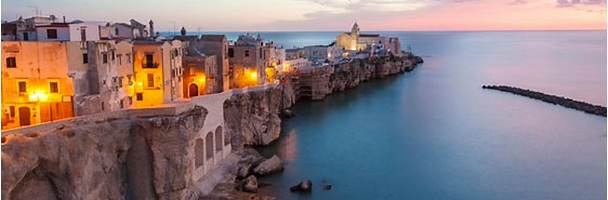
If Italy’s boot-shaped landmass has a spur, that spur is Vieste. The cliffside village juts out into the pristine waters of the Adriatic, with numerous hidden beaches and grottos along the town’s coastline. Vieste may seem as if it’s frozen in some romantic past. That’s due in part to the fact that this seaside village, with the wind-and-water eroded cliffs, is within the boundaries of Gargano National Park. Efforts to preserve the park’s natural beauty have greatly influenced policies intended to protect the town of Vieste as well.

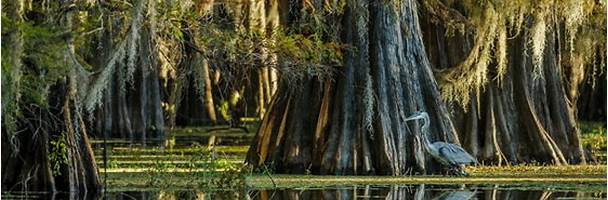
Great blue heron in Caddo Lake, Texas


One of the largest freshwater lakes in Texas, Caddo Lake is so big it spills over into Louisiana. This 25,400-acre lake was first created by a cataclysmic log jam that formed over centuries, dubbed the Great Raft. We’re visiting the Texas side of Caddo Lake along with our friend here, a great blue heron. Other creatures share this labyrinth of flooded cypress forests, including numerous species of bass (good for fishing); turtles, armadillos, and frogs (good for photographing); and snakes and alligators (good for avoiding).

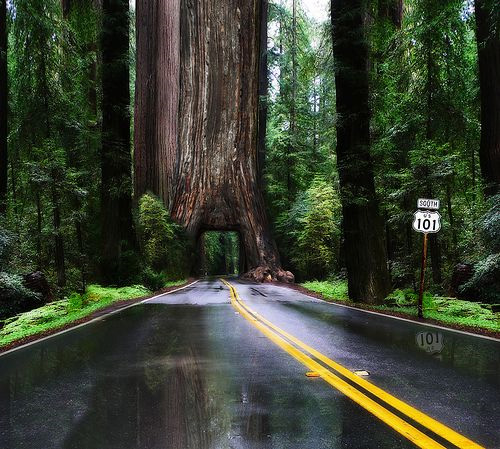
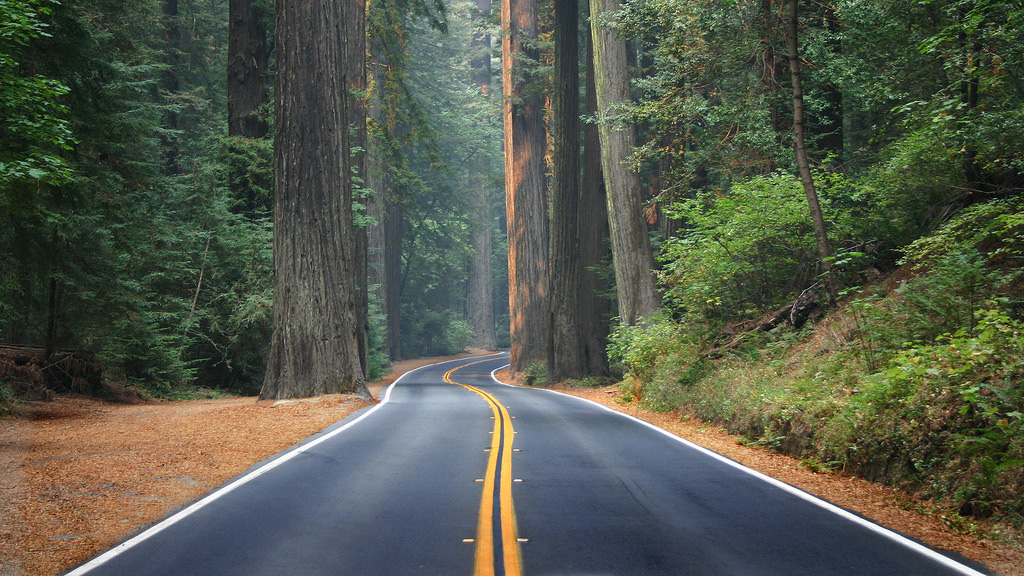
Avenue of the Giants

The Avenue of the Giants is a scenic highway in Northern California, U.S.A., running through Humboldt Redwoods State Park. It is an old alignment of U.S. Route 101, and continues to be maintained by the state as State Route 254.  We were there about 25 years ago on our way home from the Oregon Caves. 

Along the way we stopped at the Trees of Mystery located in the heart of the Redwood Empire, at the very center of Redwood National and State Parks. Trees of Mystery is California’s premier nature attraction on the North coast!

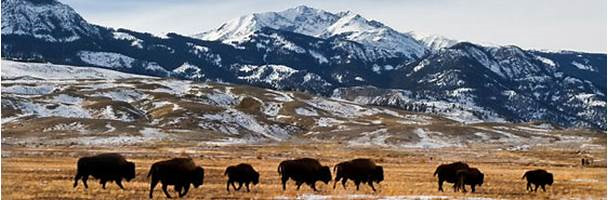
American Bison in Yellowstone National Park

The American bison was once nearly extinct in North America, but this iconic symbol of the American West has largely recovered through the efforts of various public and private agencies. Many herds thrive in national parks and preserves, like the one here making its way through a snowy Yellowstone National Park. The bison endure food shortages in winter only to gorge on spring and summer grass as they fatten up and prepare for another year.

If you have not visited Yellowstone National Park you have missed on of the most spectacular places in the world. The Buffalo (American Bison) are everywhere in the park. You may see them as you are waiting to see Old Faithful spew its water jet or you may see them walking along side of the road you are traveling. If you are planning a trip contact me.  I have been there three times and would willingly go along for another trip.

Pinnacles National Park

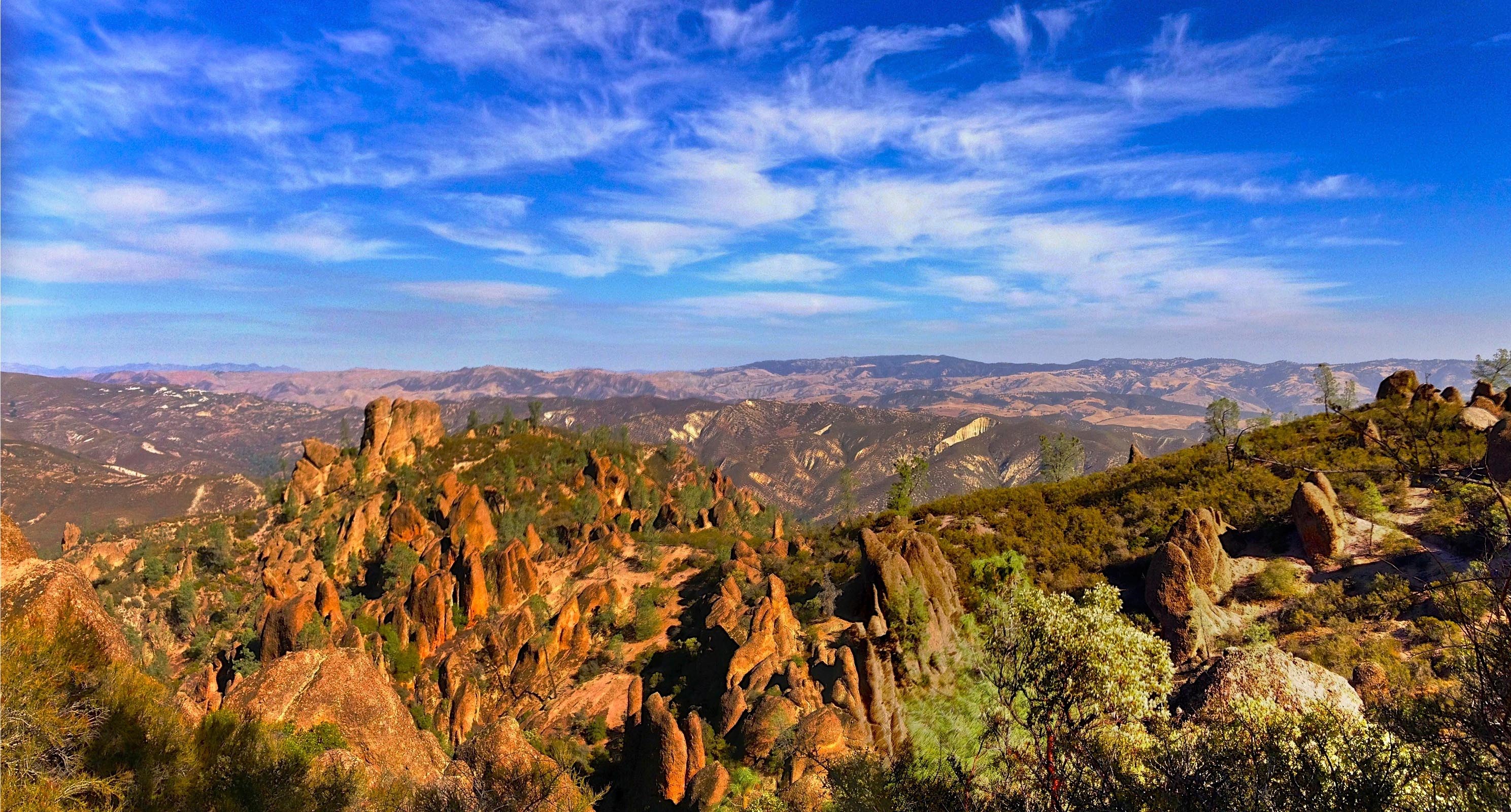
Volcanic slopes in Pinnacles National Park, California

Pinnacles was established as a national park in 2013. That makes it a relatively new national park in the United States, but its namesake features—these rock spires—were millions of years in the making. Roughly 23 million years ago, volcanos erupted to form a 30-mile-wide volcanic field, which was then split in two by a shift in the San Andreas fault. The western side of the field gradually moved nearly 200 miles north, all the while being eroded by water, ice, and wind.

The rock that’s left behind after this erosion is now shaped into these pinnacles. The towering spires attract rock climbers, to be sure, but they also provide homes for many species of animals, including the California condor. In fact, this is just one of four places where captive-bred condors are released into the wild.

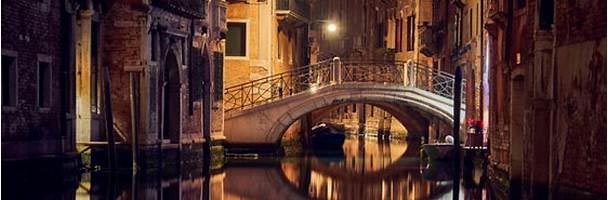
Nighttime on a canal in Venice, Italy


For centuries this city was a major world power and center of culture, religion, learning, commerce—and heaps of intrigue. Consisting of hundreds of lagoon islands connected by some 400 or so bridges, Venice, Italy, long ago relinquished the title of global mover and shaker. Still, it remains a unique treasure beloved by residents and beset by hordes of tourists during the high season. Quiet scenes such as this can still be had, though, if you wander through the backstreets and over the bridges after the tour groups and cruise ships have departed. And if you listen very closely, you may hear echoes of intrigues past.

The Taj Mahal

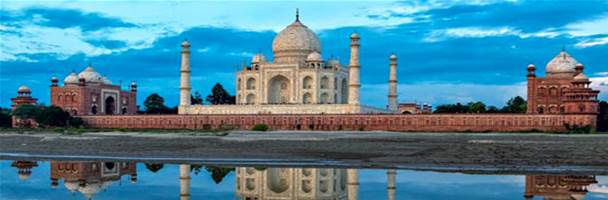
The Taj Mahal,The Taj Mahal in Agra, India

Another spectacular photo when I start my computer.

The Taj Mahal in Agra, India

We’re taking a slightly unconventional look at what many consider the most beautiful building in the world, the Taj Mahal. We won’t argue with that opinion—there aren’t enough superlatives in any language to capture the splendor of this white marble mausoleum in Agra, India.

But, back to the view: Most images capture the Taj Mahal from the front, at the end of a splendid line of formal gardens. Here, we’re looking at the rear of the structure from across the Yamuna River. There is likely no angle where the Taj Mahal doesn’t look magnificent, and its reflection in the waters of Yamuna only enhances the sublime display.

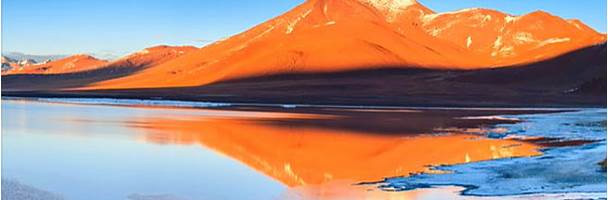
Laguna Colorada in the Altiplano region of Bolivia

My Lenovo desktop computer provides me with a variety of welcome photos that are from exotic places around the world.  This is the latest of what seems a never ending collection.

In the southwestern corner of Bolivia, near its border with Chile, the 23-square-mile salt lake called Laguna Colorada stands out against the stark landscape. The shallow lake sits more than 2 miles above sea level on the Altiplano—the wide, high plain in the Andes Mountains that includes the Bolivian Plateau. While this image highlights the reflection of the surrounding mountains when they catch just the right kind of light, other perspectives cast the Laguna Colorada showing off its own vibrant color. The tomato hue is courtesy of salt water, sediments, and red algae, the latter a food source for flocks of the increasingly rare James’s flamingo, which wade in the lake feasting on the microorganisms.