Manufacturers returning to America means jobs for robots, not people

Another article in the Los Angeles Times re-states what I have been writing about for a few years. https://coastcontact.wordpress.com/2013/02/08/impact-of-technology-on-the-u-s-economy/

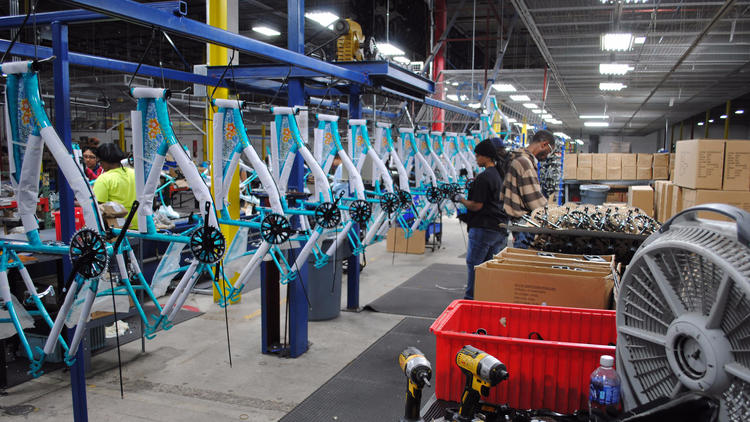
Workers at Bicycle Corporation of America assemble bikes - LA Times 8-14-2016

Workers at Bicycle Corporation of America assemble bikes for Wal-Mart, Target and other retailers. (Bicycle Corporation of America)

Here’s a little reality check on the current presidential campaign and promises by both Donald Trump and Hillary Clinton to bring back jobs from overseas.

It’s about a private Michigan company called Ranir, which makes, among other things, the business end of electric toothbrushes. After spending two years and millions of dollars to reengineer its toothbrush heads, Ranir brought back fully one-fifth of that production from China to its facility in Grand Rapids.

There’s just one catch: Thanks to the new robotic manufacturing process that Ranir adopted, it takes only four workers at the American plant to do the same job that almost certainly required dozens more in China.

The story goes that William Lee, an English minister, grew tired of hearing the incessant clicking of his wife’s knitting needles. Alternate versions of the story say that Lee was trying to win the affections of a lady who was more interested in her knitting than she was in him. In 1589, he modified the looms that were used to create rugs with hooks that would form loops that would be released during each pass of the thread, thereby knitting a whole row at once. Lee left his church work and went to secure the blessing of the queen (Elizabeth I) to ensure that no one else could create such a device and allowing him to make a healthy profit. Elizabeth denied his request and Lee went to France to try the same thing. Henri IV granted Lee the rights that he asked for, but was soon assassinated leaving Lee to die poor in 1610. Lee’s brother, James, took the idea back to England and was assisted by a man named Ashton in Nottingham in creating the first knitting factory. It wasn’t long before it was so cheap to create machine knitted clothing that many local hand-knitters were petitioning the government for limits of the business. (Sound familiar?) Lee’s design remained virtually unchanged until the 1700s when it was modified to include the kitting frame and later to accept other materials like lace and silk or create ribbed materials that could stretch.

Just as hand knitters in 1600 could not stop progress, today American factory workers are asking the United States government to stop progress. They might delay progress but in the end things will not be as they were during the industrial revolution.

Yes! It does hurt!


Arabic/Islamic States ACTUALLY BITE THE HAND THAT FEEDS THEM !

This information was verified by snopes.com.  The Snopes staff says it is difficult to verify everything but for the most part this information is correct.

How they vote in the United Nations:        

Below are the actual voting records of various

Arabic/Islamic States which are recorded in both the US State Department and United Nations records:

Kuwait votes against the United States  67% of the time.

Qatar votes against the United States  67% of the time.

Morocco votes against the United States  70% of the time.

United Arab Emirates votes against the United States  70% of the time.

Jordan  votes against the United States  71% of the time.

Tunisia  votes against the United States  71% of the time.

Saudi Arabia votes against the United States  73% of the time.

Yemen votes against the United States  74% of the time.

Algeria  votes against the United States  74% of the time.

Oman votes against the United States  74% of the time.

Sudan votes against the United States  75% of the time.

Pakistan  votes against the United States  75% of the time.

Libya votes against the United States  76% of the time.

Egypt votes against the United States  79% of the time.

Lebanon votes against the United States  80 % of the time.

India votes against the United States  81% of the time.

Syria  votes against the United States  84% of the time.

Mauritania  votes against the United States  87% of the time. U S Foreign Aid to those who hate us:

Egypt, for example, after voting 79% of the time against the United States, still receives $2,000,000,000 (that is $2 Billion) annually in US Foreign Aid.

Jordan votes 71% against the United States and receives $192,814,000 annually in US Foreign Aid.

Pakistan votes 75% against the United States receives $6,721,000,000annually in US Foreign Aid.

India votes 81% against the United States receives $143,699,000annually in US Foreign Aid.

THEY ACTUALLY BITE THE HAND THAT FEEDS THEM !.


Perhaps it’s time to get out of the UN and give the tax savings back to the American workers who are having to skimp and sacrifice to pay the taxes. 

Loose Lips Sink Ships

Loose lips sink ships is an American English idiom meaning “beware of unguarded talk”.

Quite arguably one of the most famous and effective propaganda posters, “Loose Lips Might Sink Ships” links sharing war secrets with the loss of American life and attacks on the Navy. This slogan, created by the War Advertising Council, quite literally meant that citizens should avoid talking about ship movements, destinations and deployments because that information could easily be intercepted by the enemy at a grave cost. This propaganda poster is a prime example of how a simple, clear and memorable slogan can convey the severity of an issue and influence public behavior.

In an interview Donald Trump did with conservative radio host Hugh Hewitt on Thursday morning, in which Hewitt attempted multiple times to get Trump to say he was being metaphorical or hyperbolic, Trump repeatedly refused — and insisted he really meant Obama was a founder of ISIS.

Hewitt prodded Trump, suggesting the GOP nominee meant that Obama “created the vacuum, he lost the peace,” and was not to be taken literally. But Trump objected.

“No, I meant he’s the founder of ISIS. I do. He was the most valuable player. I give him the most valuable player award. I give her, too, by the way, Hillary Clinton,” Trump said.

Hewitt tried again, saying: “But he’s not sympathetic to them. He hates them. He’s trying to kill them.”

“I don’t care,” Trump replied. “He was the founder. His, the way he got out of Iraq was that that was the founding of ISIS, okay?”

Today, Friday, Trump attempted to walk back tweeting “”Ratings challenged @CNN reports so seriously that I call President Obama (and Clinton) “the founder” of ISIS, & MVP. THEY DON’T GET SARCASM?”

Did Hewitt take Trump’s words as sarcasm? I don’t think so. Hewitt is a very serious guy. He made every effort to obtain a clarification from Trump.

As president would he be threatening sanctions, tariff imposition, or war and then say “Oh, I was joking” or “That was sarcasm. I really didn’t mean what I said.”

You want this man as commander-in-chief of the United States?

Deciding Who would be the Worst of the Candidates for President

My family says I am obsessed with the campaign for president. I admit they are correct. I want a president who really can lead a unified nation. That is not the situation today. Sadly Barack Obama’s speech about the United States: “there’s not a liberal America and a conservative America there’s the United States of America.” did not enable him to create his dream. Instead there has been gridlock for most of his presidency.

Consequently Hillary Clinton, who says she supports most of the Obama presidency, is not a choice America wants to make. Additionally she continues to avoid telling the truth about Benghazi, the Clinton Global Initiative, and her email carelessness.

The problem is that Donald Trump is so extreme in his ideas and lacks the experience in government that is needed makes Clinton look like the better choice in November.

 The Muslim ban, the David Duke denial, the “Mexican” judge flap, the draft dodger denigrating John McCain’s military service, the son of privilege attacking an immigrant Gold Star mother and the constant revisionism and lying about past political positions taken are but a few of the lowlights that have punctuated Donald Trump’s chaotic chase for the presidency.” Joe Scarborough

Trump:

  1. Said he would considering withdrawing from NATO and other similar agreements such as our promise to help Japan and South Korea in the event of an attack.
  2. Suggested that nuclear weapons in the hands of more countries would be a good thing.
  3. Said he might abrogate many of the trade pacts that the United States has negotiated.
  4. Said he would stop Muslims entering the country from any country with an Islamic terrorist problem.
  5. Suggested that libel laws be changed that would enable him to sue the media.
  6. Will lower the income taxes for the wealthy and end inheritance taxes.
  7. Deport all illegal aliens.
  8. Willing to invite Russia to hack Clinton email.
  9. Suggested the use of guns to protect 2nd Amendment rights.
  10. Said there is no drought in California.

Personally I cannot support either of these candidates for president. Unless one of them offers some new wise words to justify my vote, I will be supporting a third party candidate. You should too!

Odd American Automobiles


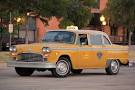
1960 Checker Marathon


Checker Marathon

Checker Taxi was an American taxi company. It used the Checker Marathon produced by Checker of Kalamazoo, Michigan.  Although you could buy the car for personal use it was manufactured primarily for the cab company.  It’s boxy design offered easy access to the rear seat and a large trunk.  The first cars were on the streets of New York and Chicago in 1963 and were built through 1978. July 26, 1999 was the last day for the company.
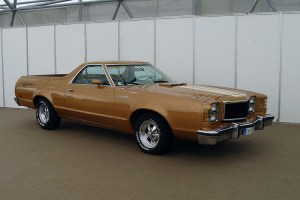


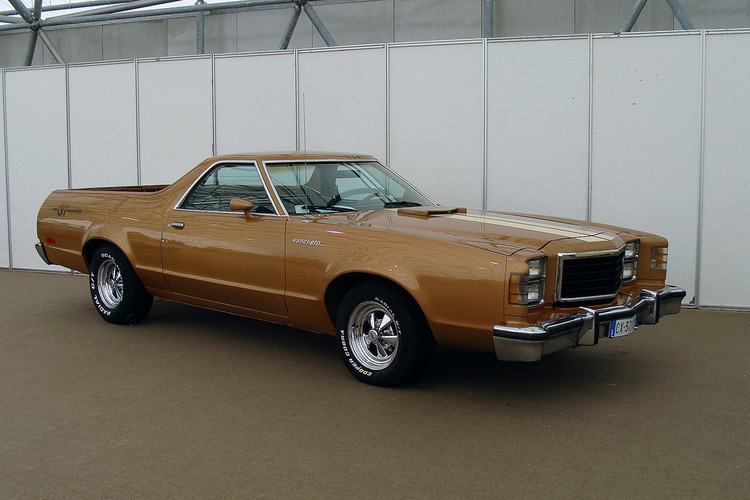
1977 Ford Ranchero


Ford Ranchero

In 1957, the Ford Ranchero introduced American consumers to the Australian oddity of the “coupe utility,” a two-door coupe with a truck bed fused to the rear end. Ford Australia had invented a car that could take the family to church or throw cargo in the back, a compromise between a commercial utility vehicle and the wheel-bed and cost of a passenger vehicle. So while it might look like a small pickup truck, the Ford Ranchero was built on the body of a station wagon.

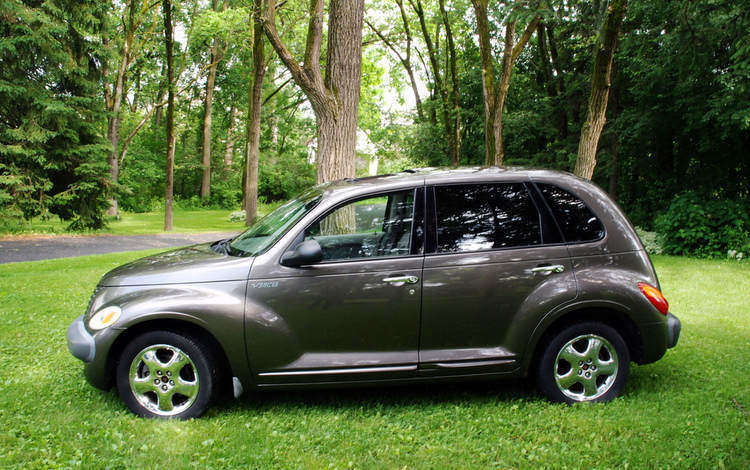
2001 Chrysler PT Cruiser


Chrysler PT Cruiser

At one point in time, the Chrysler PT Cruiser won Car of the Year. Now, the PT Cruiser is a series regular on lists of the worst cars ever made. What explains the dramatic fall of this controversial vehicle? It’s not just changing tastes, although that’s part of the equation. The PT Cruiser just didn’t stand up to scrutiny. First launched in 2001, the PT Cruiser was a 5-door hatchback designed to evoke the gangster getaway cars of the 1930s, featuring smooth curves, fat fenders, and a high roofline.

OLYMPUS DIGITAL CAMERA

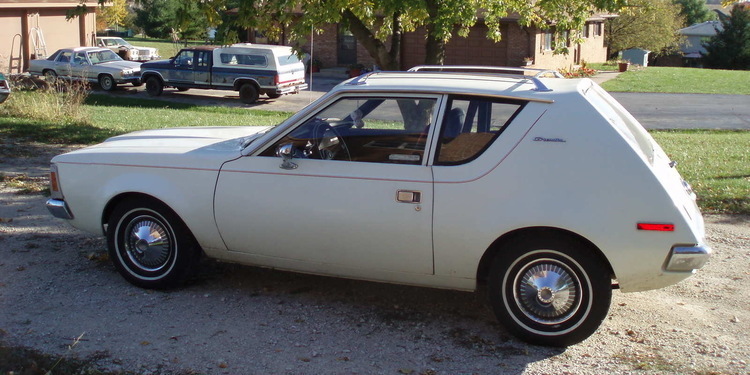
AMC Gremlin

Love it or hate it, the AMC Gremlin has to be one of the strangest designs of the last fifty years. This little two-door hatchback epitomized the wonky economy cars of the 1970s. The Gremlin was the brainchild of American Motors Company, a now-defunct automaker with a storied tradition as America’s underdog. The Gremlin was dirt cheap with great gas mileage and AMC aimed the cheekily-named car at people who wanted something a little cute and a lot different.
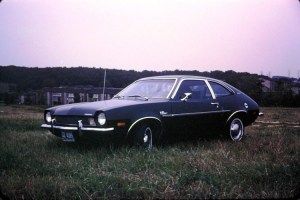
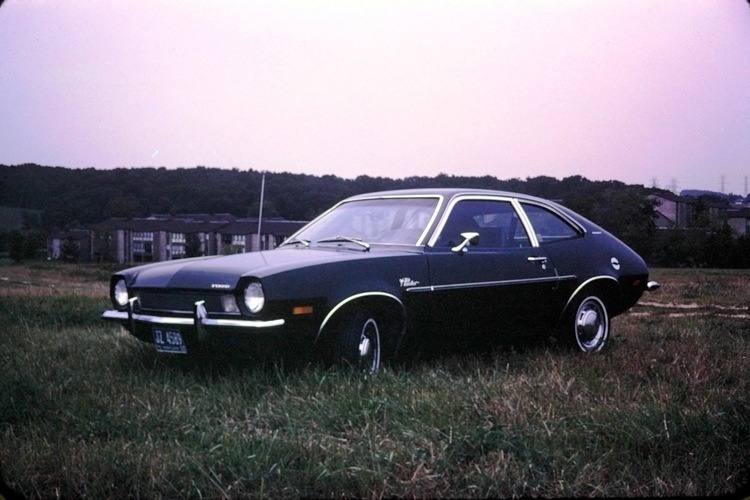
1971 Ford Pinto


Ford Pinto

The Ford Pinto was nothing special, in and of itself. It was a relatively boring and practical subcompact economy car designed to compete with Japanese imports. Uncomfortable bucket seats, uninspired lines, and a subpar inline 4-cylinder engine meant that the 1971 Pinto was never going to turn heads. Unfortunately, Ford sacrificed reliability for production speed and cost. In 1977, damning reports emerged that the tiny car had squeezed the fuel tank right behind the rear bumper—resulting in explosive fires in the event of a crash.
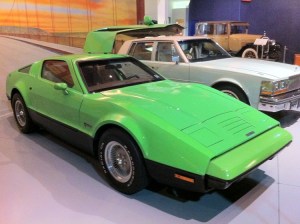
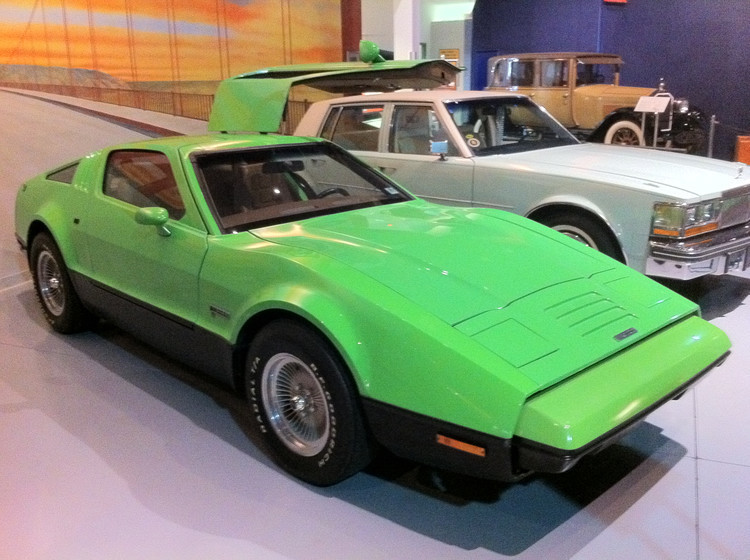
1974 Bricklin green right


Bricklin SV-1

What happens when a multi-millionaire decides he wants to start his own automaker and slaps his name on the car? The Bricklin SV-1. This bizarre two-door coupe with gullwing doors and the appearance and color of a plastic toy was the pet project of Malcolm Bricklin. Bricklin convinced investors to sink millions into a brand-new car company and manufacturing plant in New Brunswick. Only 2,854 had rolled off the assembly line when investors balked and the government forced the company into receivership.
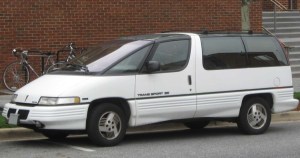
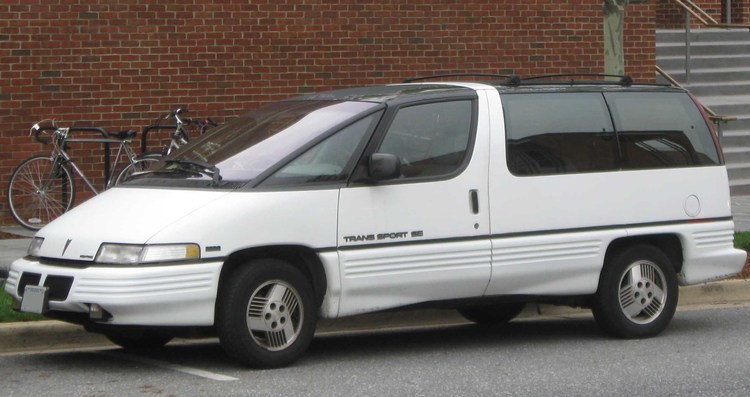
1990 Pontiac Trans Sport


Pontiac Trans Sport

The Pontiac Trans Sport was a real disappointment even for minivan buyers. In 1986, General Motors was determined to contest Chrysler’s dominant position in the minivan market.
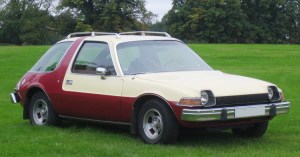
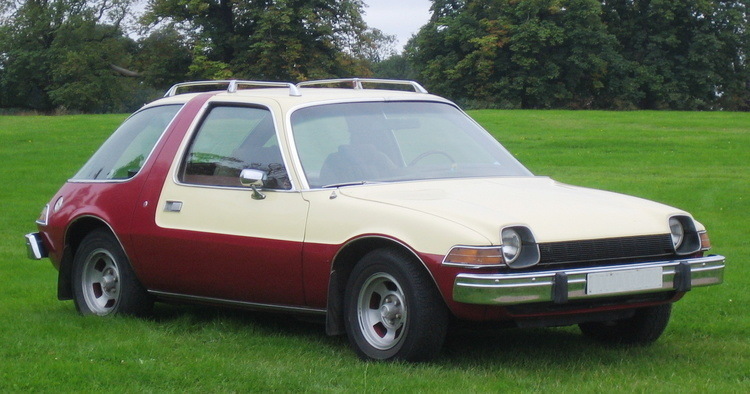
1975 AMC Pacer


AMC Pacer

When the AMC Pacer came out in 1975 it was the toast of the automotive press, which called it “futuristic,” “bold” and “unique.” AMC even produced an electric version to respond to the gasoline crisis of the 1970s. The enormous glass bubble windshield and bizarre rear window earned the Pacer the moniker “the flying fishbowl.”  In production from 1975 to 1980.
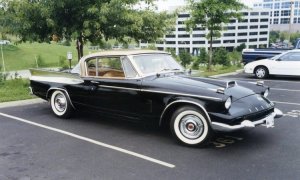
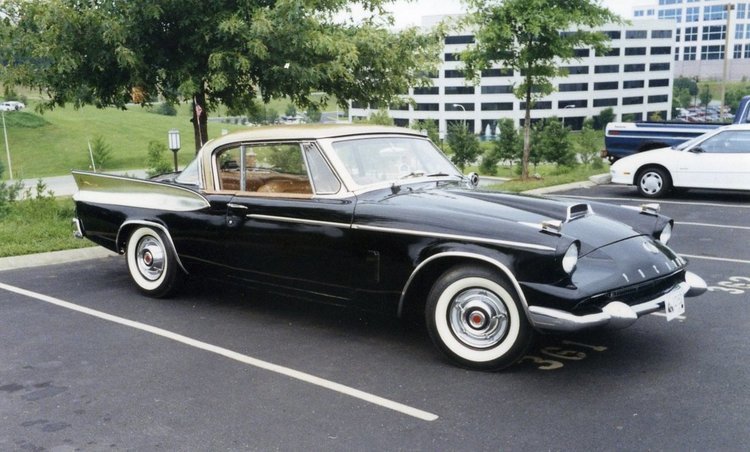
1958 Packard Hawk


Packard Hawk

What happens when you combine two legacy automakers and pump out a shoddy combination of two great cars? The 1958 Packard Hawk, the last gasp of a dying marque. In 1954, the Big Three were starting to put the hurt on the competition. Smaller car companies were under a lot of pressure to compete and “merger fever” led to the marriage of Studebaker and Packard. Packard had been a luxury carmaker while Studebaker had a larger customer base and manufacturing capability.
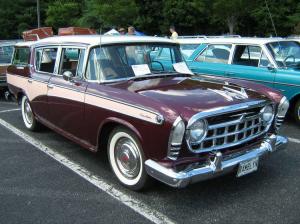
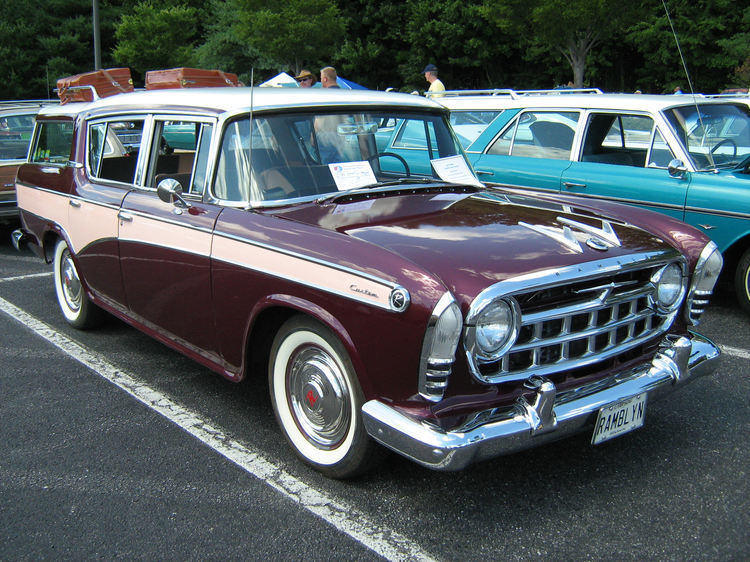
1957 Rambler Custom Cross-Country wagon AnnMD-e

Rambler Cross Country

The Rambler was a wonky car that earned its place in American car history by standing out from the crowd in a good way. Rambler was a popular make produced by the American Motors Company but in 1957 the new company was still figuring out how to market and sell the vehicles. In 1954, AMC had been formed by the merger of the Nash-Kelvinator and Hudson Motor Car Company and the Ramblers had been rebadged interchangeably as Nash and Hudson cars and in 1955, the Rambler Six was a big hit. The affordable but stylish car pioneered the compact car in America! Drivers loved the new size and in 1957, AMC rebadged the Ramblers as their own marque to capitalize on their popularity. The Rambler Six was joined by the Rambler Cross Country, a four-door hardtop station wagon based on the previous compact.
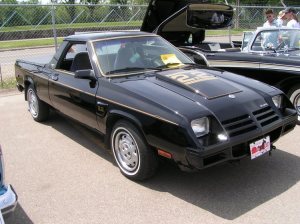
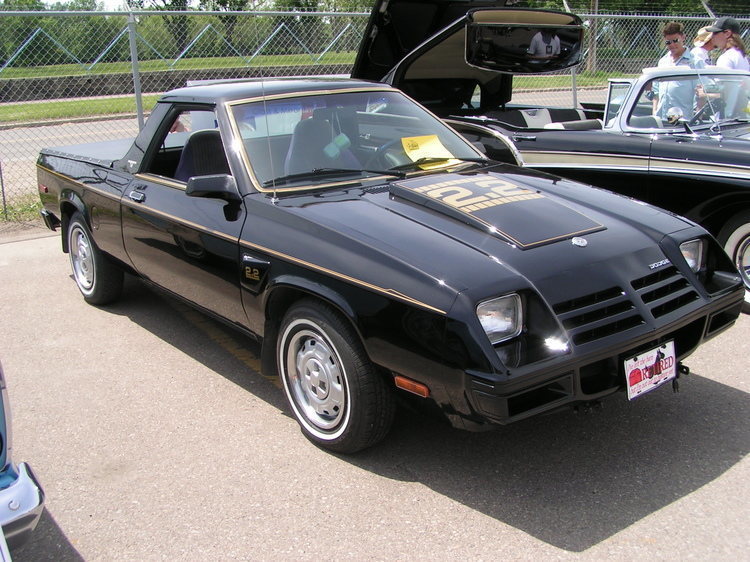
MINOLTA DIGITAL CAMERA

Dodge Rampage

The 1982 Dodge Rampage is another coupe utility that had a bad attitude for an underperforming vehicle. The two-door coupe utility was built on a unibody subcompact car with a tiny cargo bed. Chrysler based the Rampage on the light L platform designed in response to the 1970s energy crisis. Unfortunately, what that means is that the Dodge Rampage ended up looking like a toy rather than a real car, but Dodge wanted it to be a monster truck! Let’s just say that it makes sense that the Plymouth clone using the same frame and design was called the “Scamp” rather than the “Rampage.”
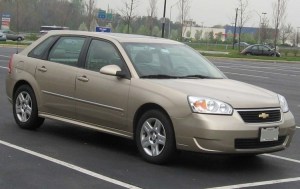
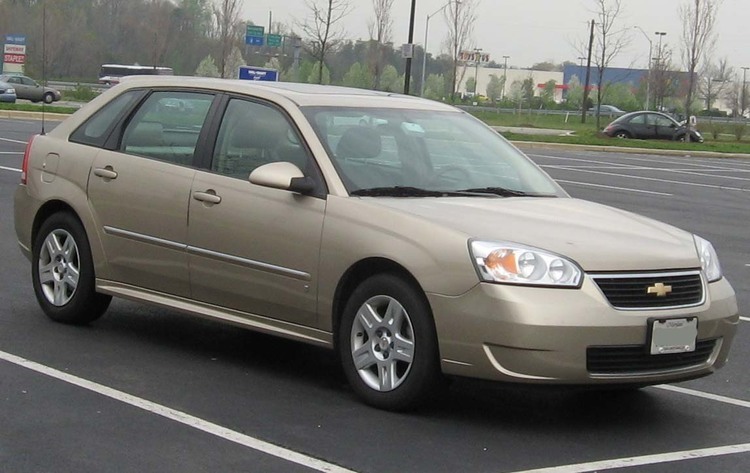
2004 Chevrolet Malibu Maxx


Chevrolet Malibu Maxx

In 2004, Chevrolet made the bizarre decision to take the solid if unremarkable Malibu and try and market an overloaded hatchback as an “extended sedan.” Hatchbacks were always a tenuous sell—attracting a certain type of driver who wanted efficiency and economy more than style or performance—and the Malibu was fighting an uphill battle to avoid falling in with the hatchback crowd.
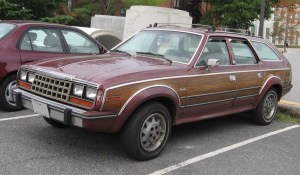
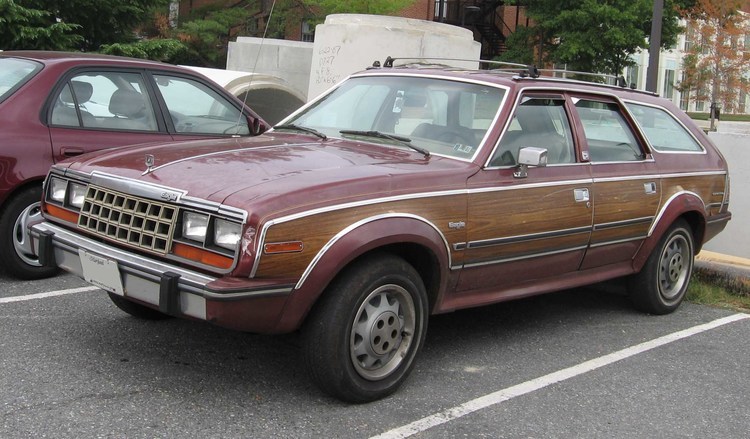
1979 AMC Eagle Wagon


AMC Eagle Wagon

Sometimes a wonky design can work miracles. Once again, AMC was back to pioneer a new market segment: the very first compact four-wheel drive passenger vehicle. Now it’s known as the very first crossover SUV. But at the time, AMC needed to update its aging passenger fleet and made a smart move to combine economy and fuel efficiency with the rugged appeal of the popular AMC Jeep. The resulting car was designed to be comfortable with good handling on the pavement and offroad. It wasn’t a full-fledged recreational vehicle, but an added benefit for regular drivers. AMC quickly added a station wagon marketed to families and drivers looking for an adventurous vehicle with good performance, and the Eagle Wagon was an immediate hit especially in regions with a lot of snow.
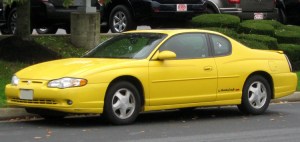
2000 Chevrolet Monte Carlo


Chevrolet Monte Carlo

The Chevrolet Monte Carlo billed itself as a “Super Sports” car drawing on Chevrolet’s racing legacy…and fell very, very short. The two-door coupe had sporty lines, but GM made some strange decisions when it came to the interior and what went under the hood. If you approached the Monte Carlo SS from the side, it looked good—not great, but good.
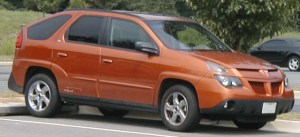
OLYMPUS DIGITAL CAMERA

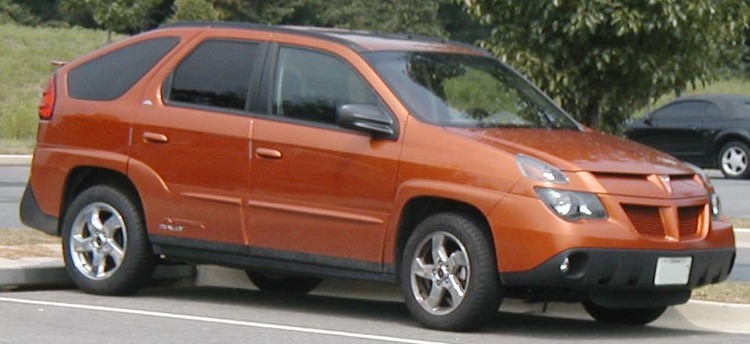
Pontiac Aztek

Who can forget the car that killed Pontiac? The 2001 Pontiac Aztek will go down in history with one of the strangest designs in history. General Motors was trying to jumpstart a design renaissance after a decade of dull and uninteresting vehicles—unfortunately, it went a little too far with the Aztek. The designers were told to be aggressive, and they drafted an edgy mid-size sports crossover. On paper, Pontiac was trying to appeal to young new car buyers who wanted a fresh vehicle. But design drift saw the Aztek laden with the frills and features of a minivan, including an unfolding rear door with indented seats, a central console with a removable cooler, and even a camping add-on with an attachable tent and an inflatable mattress. Foolishly, the features jacked up the price to $22,000-$27,000, outside the price range of its target demographic of young consumers.  If the Aztek had the style to match the features and the price, maybe it wouldn’t have mattered.
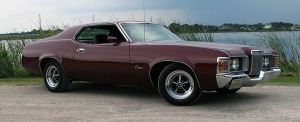
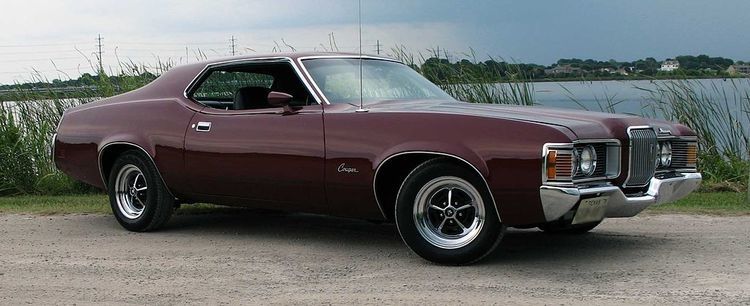
1971 Mercury Cougar


Mercury Cougar

The 1971 Cougar is a great example of the unfortunate decisions that can kill a great car. When the 1964 Ford Mustang first appeared it created a brand new type of car: the pony car, muscular and stylish but compact and affordable. Mercury was a marque that produced upscale versions of Ford vehicles at a higher price point, and in 1967 Mercury created a similar pony car to complement the Ford Mustang with a premium coupe with luxury and serious power. The handsome Cougars had a European flair and plush interior that differentiated them from their Ford counterparts without sacrificing speed and size. But in 1971, Mercury did everything it could to kill a great pony car.  A significant redesign witnessed the loss of the handsome flair of the original make.
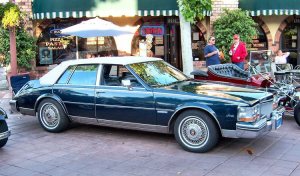
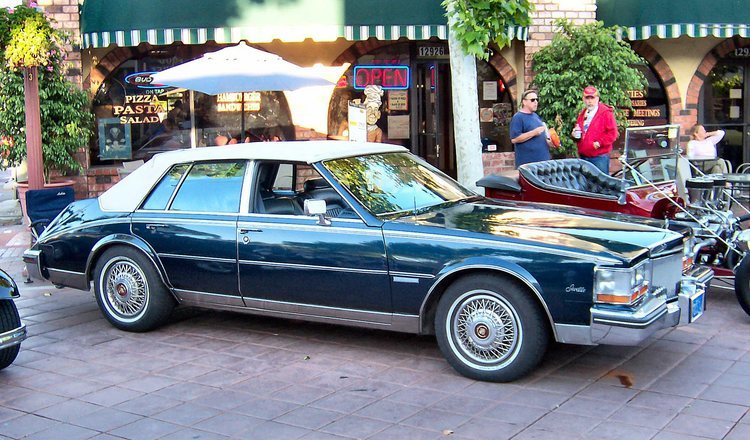
1980 Cadillac Seville


Cadillac Seville

The 1980 Cadillac Seville was just a design disaster on almost every level. 1975, Cadillac struggled with competing luxury imports from Germany, BMW and Mercedes-Benz. Studies had shown that Cadillac attracted an exclusively older crowd, and GM decided to design a new sedan to attract younger buyers. The 1975 Cadillac Seville was a brand-new car, smaller and more compact than ever before with a crisp and angular appearance. Still, the new buyers were older than GM wanted, especially wealthy middle-aged women who liked a smaller car that was easier to park! GM design chief Bill Mitchell wanted to experiment further rather than stay the course and, unfortunately, designers created a car that appealed to his…unique…tastes.
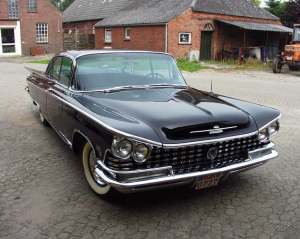
OLYMPUS DIGITAL CAMERA

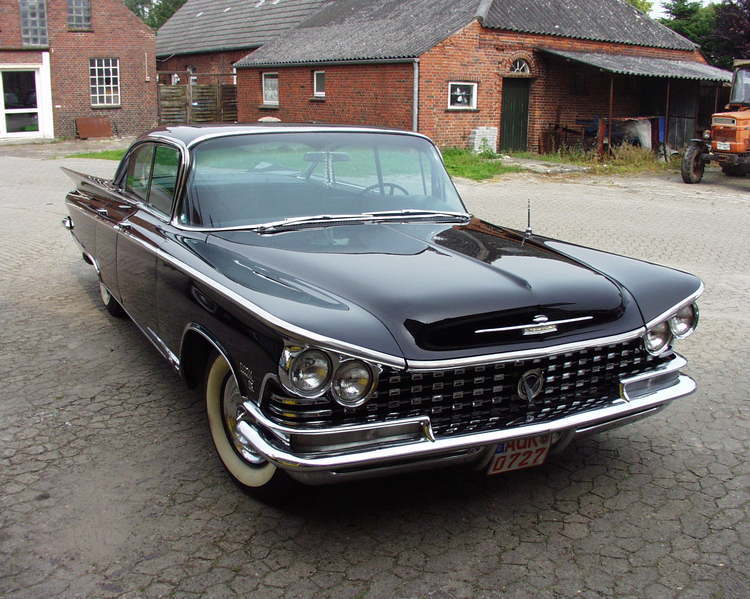
Buick Electra 225

Some cars have style. Some cars have muscle. Some cars are just…bold. The colossal 1959 Buick Electra 225 was the last, best “King of Chrome.” Over eighteen feet long, the 225-inch “deuce and a quarter” was 4,900 pounds of premium in-your-face American automobile. In 1959, Buick was looking to reverse two years slump in sales with something fresh and bold. They radically redesigned the Buick lineup with all-new styling, wide molding, slanted headlights, and “delta” fins along the trunk that looked like a rocket ship. The Electra 225 was the crown jewel of the new lineup with impressive trim and luxury features.
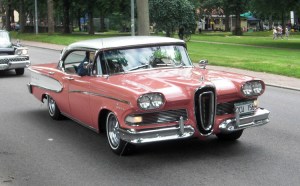
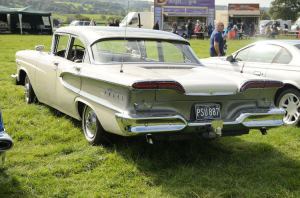
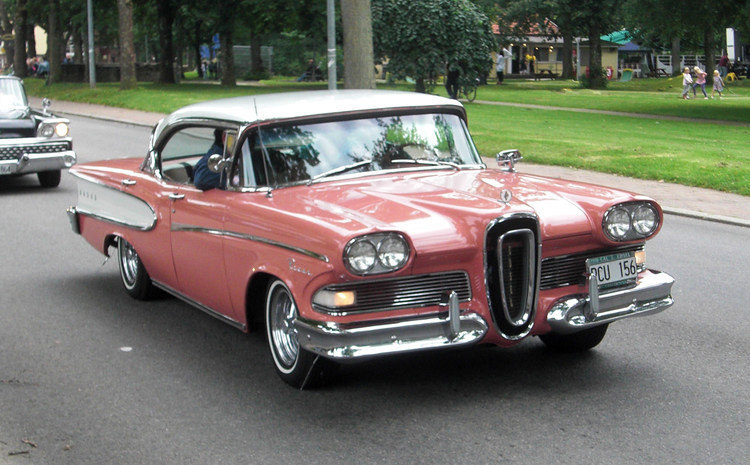
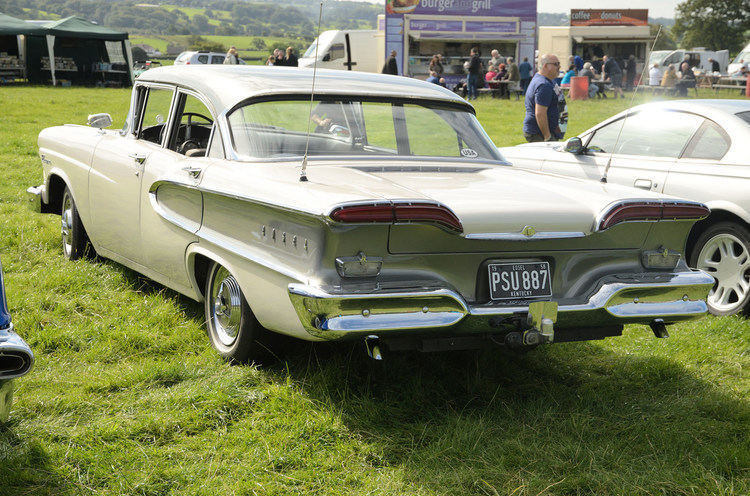
1958 Edsel Pacer1958 Edsel - rear photo


Edsel

The fall of Edsel became a synonym for corporate disaster. You might not have heard of Edsel unless you’re a vintage car collector because Edsel cars were only produced and sold from 1957 to 1960. Developed as a new marque for Ford, Edsel was supposed to be a luxury car that could compete with Chrysler and GM and pioneer new technologies and a stunning new style.
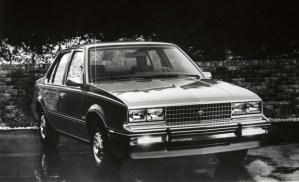
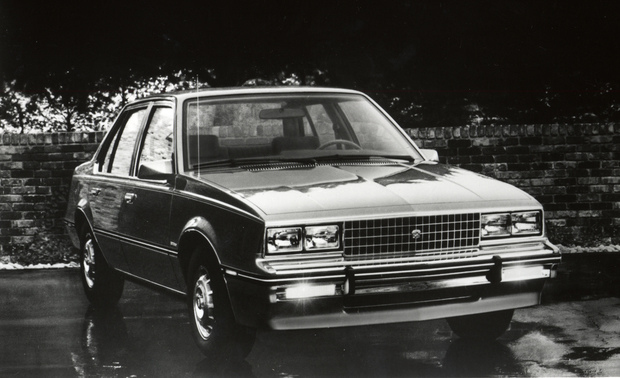
1982 Cadillac Cimmarron


Cadillac Cimarron

In 1982, Cadillac was back with a second attempt to sell a compact car against all odds. After the disappointment of the understrength, undersized Seville, you’d think that Cadillac would have been more careful! Cadillac still needed a new car that was less like a cargo barge and more like a speedboat. Smaller and more efficient imports from the likes of Mercedes-Benz continued to cut into Cadillac’s market share. While Cadillac struggled to identify a new design and a new name, General Motors had been working on a new platform known as the “J-Body” and Cadillac, desperate to bring a nimbler car onto the market, seized on the opportunity to cut costs and speed up production. Infamously, GM’s President Pete Este even warned Cadillac General Manager Ed Kennard that the new frame wasn’t ready for a luxury car, saying, “Ed, you don’t have time to turn the J-car into a Cadillac.” Kennard didn’t listen, or, worse, he didn’t care. The Cadillac Cimarron was born, a strange combination of poor engineering and wonky branding.
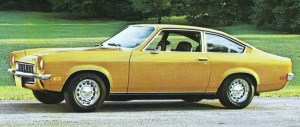
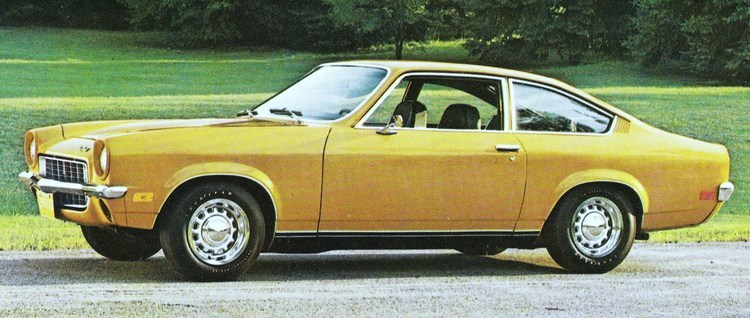
1971 Chevrolet Vega


Chevrolet Vega

The Chevrolet Vega as a kissing cousins with the Ford Pinto, the Vega lacked the explosive legacy of the Pinto but was plagued with a series of disastrous recalls. At first, the Vega seemed like a promising vehicle that could compete with a wave of imported compacts from Japan and Germany. The Vega had sleeker lines than the Pinto, with decent fuel economy and good handling. Initial sales were brisk, and soon hundreds of thousands were in the hands of drivers. That was when the first problems began to appear, compounded by the fact that the fraction of real lemons was magnified by the sheer volume of vehicles on the road!

1953 Hudson Jet


Hudson Jet

The crippling cost of developing and marketing the Hudson Jet was the final nail in the coffin for the small automaker. While the Jet was hardly a terrible vehicle, it was not a great one either, and the oversized and overpriced sedan was an ignoble end for the Hudson Motor Car Company. Hudson had once been one of the largest automakers in America, but by 1951 the company was struggling to compete with the Big Three. Saddled with an aging stable of luxurious full-sized cars when the market was shifting towards smaller and more practical vehicles, Hudson knew it needed a bold new model to recapture the public interest and put drivers in the seat. Unfortunately, money was tight, and Hudson didn’t have the financial leeway to take a lot of chances or develop a new full-sized vehicle that would appeal to their current owners. Instead, they pinned their hopes on a new “compact” inspired by the Nash Rambler.

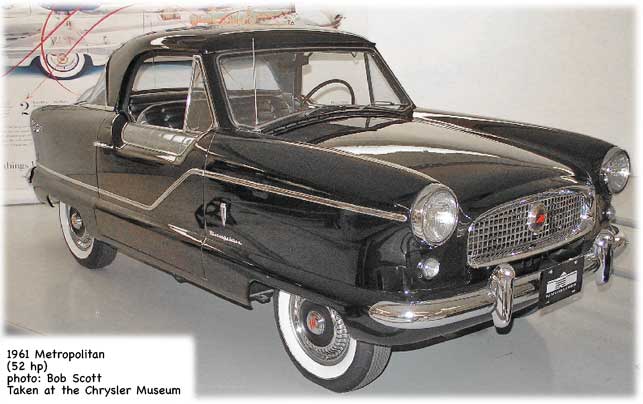
1961 Metropolitan


Metropolitan

This car is usually called the Metro. After launching the popular Rambler, Nash worked for many years on an even smaller car. Its first public concept, the NXI (Nash Experimental International), was shown in 1949, followed after one year by the NKI (Nash Kelvinator International). The name of the car was to be NKI Custom until shortly after production began, and new badges had to be retrofitted to early cars. The concepts were designed by independent stylist William Flajole, using the Fiat 500 chassis and running gear; the Nash Metropolitan was styled by Battista “Pinin” Farina.

Nash engineered the body and suspension, but they used Austin’s little 1.2 liter (73 cubic inch) four-cylinder A-40 engine. Small but well engineered, the engine had aluminum pistons, overhead valves, a counterbalanced crankshaft, and a Zenith downdraft carburetor. Its low compression (7.2:1) allowed it to use poor gasoline, but it only had 42 horsepower; 0-60 times were around 30 seconds, nearly double that of the flat-head six-cylinder Plymouth Savoy. The transmission was a three-speed manual column shift.

Starting in 1954, Austin built the Nash Metropolitan under contract, using Fisher & Ludlow bodies, in Longbridge, England. The car was then shipped to the United States. There were two models, both two-doors: a convertible and hardtop. They were unit-body designs, at a time when most cars were body-on-frame.

Shortly before the Metropolitan was launched, Nash merged with Hudson to form the American Motors Corporation. It would later drop both brands in favor of Rambler and, later, AMC, but for now, the staid, upscale Hudson dealers were sent Hudson Metropolitans.
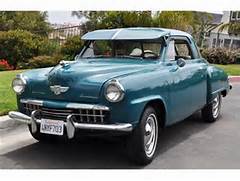
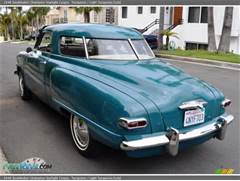
1948 Studebaker Coupe1948 Studebaker Coupe Rear


Studebaker

The Studebaker 1948 Coupe was a big hit. The design was unique because the rear looked like the front.
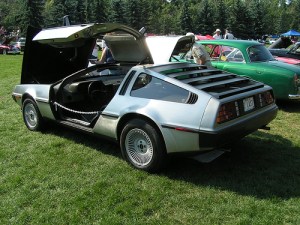
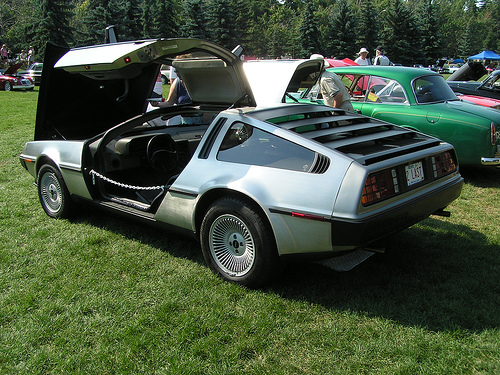
1983-Delorean-dmc


DeLorean DMC-12

The DeLorean DMC-12 is a sports car that was manufactured in Northern Ireland to be sold in America from 1981 to 1982. The car is most commonly referred to as the DeLorean, as it was the only model ever produced by the company. The first prototype appeared in 1976 and 9,000 DeLoreans were produced by 1982, when production stopped. Today, only about 6,500 of these cars are believed to exist. This car is most well known for being used as a time machine in the “Back to the Future” movies.
Is Donald Trump a serious candidate for president of the United States?

When Peggy Noonan thinks the GOP candidate is crazy it really is time for Republicans to re-think their support for the unhinged Donald Trump.

At a CNN Libertarian Party town hall hosted by Anderson Cooper on Wednesday (August 3), Bill Weld outright mocked Trump — saying he has “a screw loose.”

Charles Krauthammer in his latest column: “It’s that he can’t help himself. His governing rule in life is to strike back when attacked, disrespected or even slighted. To understand Trump, you have to grasp the General Theory: He judges every action, every pronouncement, every person by a single criterion — whether or not it/he is “nice” to Trump.” Krauthammer’s contentions do support the screw loose contention of Bill Weld.

 David Axelrod said that if Donald Trump were trying to lose this election, he would not behave any differently than he has in the last few days.Source: CNN

There have been more than a few commentaries suggesting that Trump really does not want the presidency and is intentionally saying things that would make him unacceptable to most Americans. Of course there is also his own contention that the elections are rigged, If that was a true “fact” it would give him a way to say he can’t win and rather than going through the humiliation of a loss he has decided to withdraw from the campaign.

The Libertarian ticket is looking more appealing by the day. With 94 more days until election day we all have plenty of time to change our minds multiple times.

Goodbye to Chain Department Stores

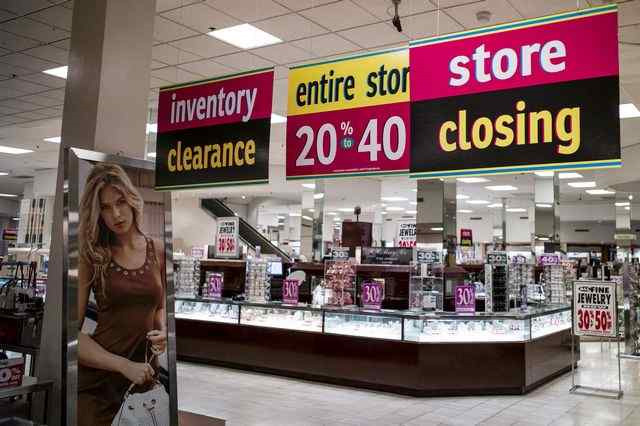
Macy's North Hollywood Closing 8-4-2016The Sears near my home was in a shopping center that includes many of the major department store chains including Macy’s, Nordstrom’s, Target, and Neiman Marcus. The store is now sealed off with metal siding and block walls.

The impact of Amazon and other on-line sales companies is really starting to take its toll.   Amazon, Wal-Mart Lead Top 25 E-commerce Retail List. Total annual retail e-commerce sales are $201 billion, according to the 180 companies tracked by eMarketer. For the top 25 retailers, total annual e-commerce sales come in at $159 billion, with Amazon Inc., Wal-Mart Stores Inc. and Apple Inc. taking the top three spots. According to eMarketer, Amazon’s e-commerce sales are $79.3 billion while Wal-Mart has $13.5 billion and Apple totals $12 billion. After Walmart is Apple, Staples, and Macy’s.   More than 50% of Williams-Sonoma’s sales are done on-line.

So while Macy’s may be seeing an increase in-line sales they are closing or have closed at least 40 stores this year. Four in the Los Angeles area include their Century City store (that is next to Beverly Hills). This list does not include all of the targeted stores as they just today announced the closing of a North Hollywood store that was opened 61 years ago by May Company.

Fortune magazine reports that 78 Sears and Kmart stores are also closing.

There are many other chains of specialty stores from women’s fashions to sporting goods and sportswear that are also facing declining sales.

What will happen to all the malls that have been built across the nation? One high end mall in Woodland Hills California, called the Promenade, is now mostly deserted and rumor has it that the buildings will be torn down and apartment houses will replace the shopping. Westfield is the owner and has not revealed its plans.

Does this also means more lost jobs? Well, no.  New distribution centers are being erected by the on-line retailers.

Nothing is forever!

Hillary Clinton is on track for a blowout win in November

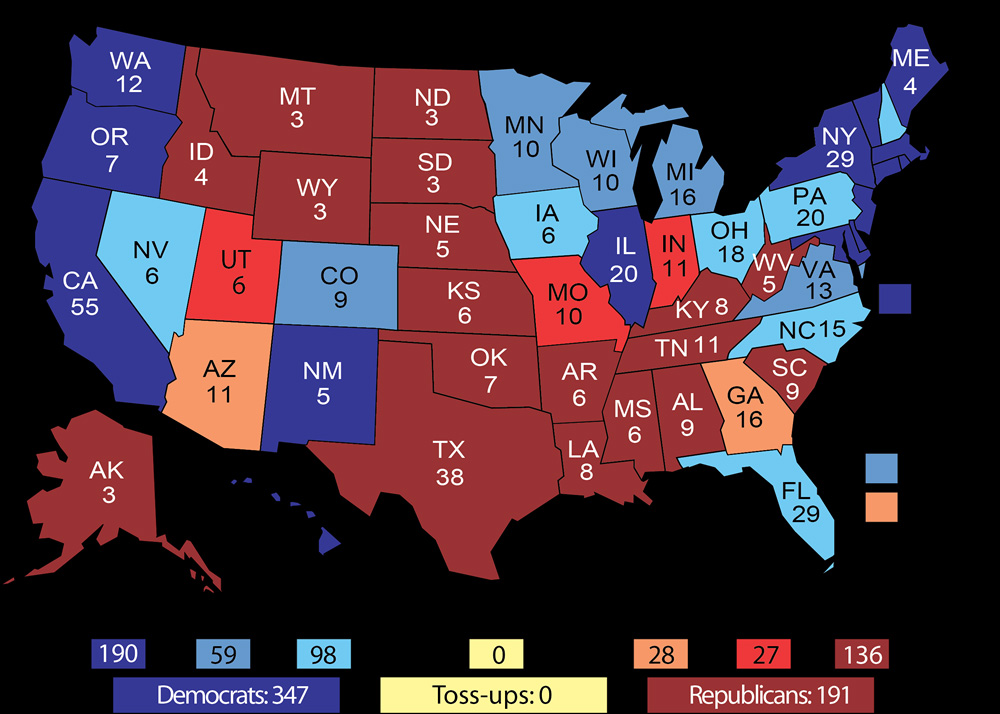
The University of Virginia Center for Politics projected Democratic presidential nominee Hillary Clinton winning the November election by a landslide.  For Democrats it is a dream projection.  The problem is that this is early August and the presidential debates are in September and October.  This projection might be the motivator that will improve Donald Trump’s campaign.

Here’s the UVA map:

2016 UVA Center for Politics

Univ of VA Electoral Map 8-4-2016

Trump: ‘I’m afraid the election’s going to be rigged’

Donald Trump is correct.  The elections are rigged.  It’s not the popular vote that wins the election.  It’s the electors who choose the president.  With the exception of Nebraska and Maine each state awards all the electors to the winner of the state.  It is a decision made by each state.  In other words even if Trump won 45% of the popular vote in California and Clinton won 55%, all 55 electors would be awarded to Clinton.  Does Trump understand the system?  That system is written into the constitution.

Donald Trump reminds me of Captain Queeg. You remember! “The Caine Mutiny” is a 1951 Pulitzer Prize–winning novel by Herman Wouk.  Humphrey Bogart starred.

Caine Mutiny – Capt. Queeg Loses It


The news item

Columbus, Ohio (CNN) Donald Trump on Monday took his complaints about the “rigged” political system one step further.

 “I’m afraid the election’s going to be rigged. I have to be honest,” Trump told voters in Ohio, a crucial swing state.

Trump’s comments Monday came as he decried Vermont Sen. Bernie Sanders for endorsing Hillary Clinton in the Democratic primary, even as some Sanders supporters have continued to resist unifying behind the nominee. Trump has sought to siphon off Sanders supporters and draw them to his campaign.


Trump added that he has heard “more and more” that the November election will be rigged — suggesting to his supporters that the outcome of the election is out of the hands of voters.

 Trump during the primary repeatedly slammed the “rigged system” he claimed was working against his campaign to capture the Republican nomination for president. He then pivoted to using that language to decry the nomination process on the left, accusing the Democratic Party of colluding with the Clinton campaign to keep Sanders from winning that party’s nomination.


Trump’s comments during the primary bolstered the impression that Trump, a political outsider, was leading the charge against a corrupt political system.

But his latest comments could hurt Trump’s general election campaign as his supporters might decide not to turn out to vote if the election is already “rigged” against their candidate.

Trump continued with the “rigged” theme during a Monday night interview on Fox News. Appearing on “Hannity,” the Republican nominee suggested the potential for foul play in November. Trump pointed to the 2012 presidential election as a cause for concern.

“I’ve been hearing about it for a long time,” Trump said. “And I know last time, there were — you had precincts where there was practically nobody voting for the Republican. And I think that’s wrong. I think that was unfair, frankly” for 2012 GOP nominee Mitt Romney.

“I’m telling you, November 8, we’d better be careful, because that election is going to be rigged,” Trump added. “And I hope the Republicans are watching closely or it’s going to be taken away from us.”

A War Hero Condemns Donald Trump


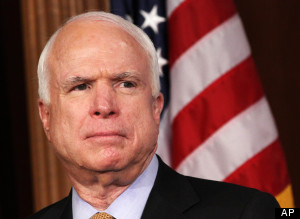
Sen. John McCain, R-Ariz. listens during a news conference on Capitol Hill in Washington, Wednesday, March 28, 2012, to discuss a Congressional resolution condemning the government of Syria for crimes against humanity and supporting the right of the people of Syria to be safe and to defend themselves. (AP Photo/Jacquelyn Martin)

John McCain on the Khan family controversy:

“While our Party has bestowed upon him the nomination, it is not accompanied by unfettered license to defame those who are the best among us.  I cannot emphasize enough how deeply I disagree with Mr. Trump’s statement. I hope Americans understand that the remarks do not represent the views of our Republican Party, its officers, or candidates.  I’d like to say to Mr. and Mrs. Khan: thank you for immigrating to America. We’re a better country because of you. And you are certainly right; your son was the best of America, and the memory of his sacrifice will make us a better nation — and he will never be forgotten.”

“My sons serve today, and I’m proud of them. My youngest served in the war that claimed Captain Khan’s life as well as in Afghanistan. I want them to be proud of me. I want to do the right thing by them and their comrades,”

“Humayun Khan did exactly that — and he did it for all the right reasons. This accomplished young man was not driven to service as a United States Army officer because he was compelled to by any material need. He was inspired as a young man by his reading of Thomas Jefferson — and he wanted to give back to the country that had taken him and his parents in as immigrants when he was only two years old.”

“Captain Khan’s death in Iraq, on June 8th, 2004, was a shining example of the valor and bravery inculcated into our military. When a suicide bomber accelerated his vehicle toward a facility with hundreds of American soldiers, Captain Khan ordered his subordinates away from the danger.”

“Then he ran toward it.”