In the U.S. legal system, there is a principle that compels judges to respect the precedent established by prior decisions on similar cases. This principle is known as “stare decisis” (Latin). This means that courts should adhere to precedent, and not stir the pot on matters already settled.
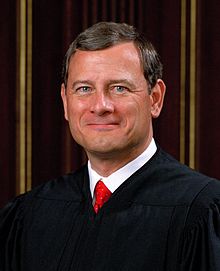
The above explanation copied from legaldictionary.net explains the reason Supreme Court Chief Justice John Roberts voted with the four “liberal” judges on the Supreme Court in blocking Louisiana’s anti-abortion law. Precedent was set by the striking down a similar law passed by Texas and the Supreme Court’s ruling in Roe versus Wade. Jeffrey Toobin, a legal analyst on CNN, explained this in this linked video.
Our legal system is derived from United Kingdom common law and has been adopted by most of the world. Unfortunately that was the reason laws allowing separate but equal in the schools and other Jim Crow laws took decades to overturn.
Jim Crow laws were state and local laws that enforced racial segregation in the Southern United States. These laws were enacted in the late 19th and early 20th centuries by White Democratic-dominated state legislatures to disenfranchise and remove political and economic gains made by Blacks during the Reconstruction period. The Jim Crow laws were enforced until 1965.
 Coast Contact