The United States may have been founded on the idea that all men are created equal, but during the late 18th and early 19th centuries, slaveholding was common among the statesmen who served as president.
Slavery was legal in the United States from its beginning as a nation. During the late 18th and early 19th centuries, slaveholding was common among the statesmen who served as president. In all, 12 chief executives enslaved people during their lifetime; of these, eight owned slaves while in office. The Thirteenth Amendment to the United States Constitution formally abolished slavery in 1865, but the history of the American presidency’s relationship to slavery remains an uncomfortable one. So, who are these White House incumbents that were also enslavers?
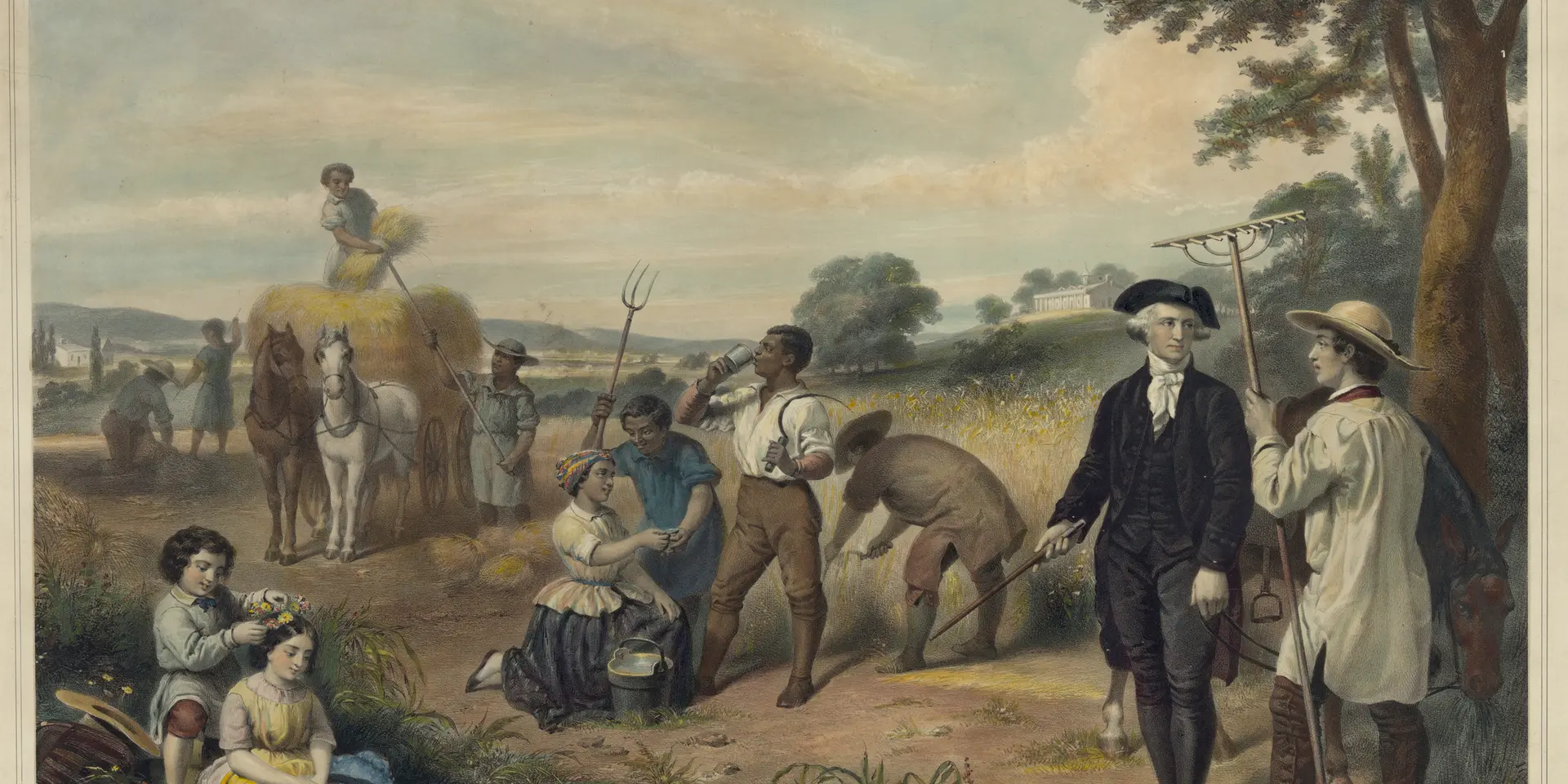
Picture from history.com
President George Washington
A Founding Father of the United States and the country’s first president, George Washington kept over 300 enslaved people at his Mount Vernon plantation.
As president of the United States, Washington oversaw the implementation of the 1787 Northwest Ordinance, which banned slavery north of the Ohio River. But in 1793 he signed the Fugitive Slave Law, which empowered a slaveowner or his agent to seize or arrest any enslaved person on the run. His views on slavery took another turn the following year, when he wrote into law the Slave Trade Act of 1794, which prohibited the export of slaves from the United States to any foreign place or country.
President Thomas Jefferson
Thomas Jefferson, the third president of the United States, owned more than 600 slaves during his adult life. Jefferson’s slaves were held captive at his main residence, Monticello, near Charlottesville, Virginia. It was here that he fathered several children with an enslaved woman called Sally Hemmings.
President James Madison
James Madison kept several enslaved people—he came from a large slaveholding family. By 1801, Madison’s slave population at Montpelier, his plantation estate, was slightly over 100. That figure eventually numbered over 300.
Like Thomas Jefferson, James Monroe outwardly condemned the institution of slavery as evil, and advocated its gradual end. But he, too, still owned many slaves.
President Andrew Jackson
Like most planters in the South, Andrew Jackson used forced labor. Over his lifetime, he owned a total of 300 slaves, most of whom were put to work in the cotton fields of his plantation, The Hermitage, near Nashville, Tennessee.
President Martin Van Buren
Martin Van Buren was ensconced in the White House during the Amistad Case, a freedom suit that resulted from the successful rebellion of African slaves on board the Spanish schooner La Amistad in 1839. Van Buren viewed abolitionism as the greatest threat to the nation’s unity, and he resisted the slightest interference with slavery in the states where it existed. Later in life, Van Buren belonged to the Free Soil Party, which opposed the expansion of slavery into the Western territories, but not immediate abolition.
President John Tyler
William Henry Harrison owned several inherited enslaved people before becoming president in 1841.
John Tyler owned as many as 50 slaves throughout his lifetime, including during his tenure as White House incumbent. In 1845, Tyler oversaw the annexation of Texas as a slave state.
President James K. Polk
President James K. Polk was generally tolerant of slavery. He owned several plantations and even purchased enslaved people during his term in office. His will provided for the freeing of his slaves after the passing of his wife, Sarah Childress, though the Emancipation Proclamation and the Thirteenth Amendment to the United States Constitution ended up freeing them long before her death in 1891.
President Zachary Taylor
Zachary Taylor owned slaves throughout his life. In fact, of the other presidents who owned slaves, Taylor benefited the most from slave labor.
Taylor had enslaved servants in the White House, and it was in Washington where he also supervised his Mississippi plantation’s operations. As president, however, he generally resisted attempts to expand slavery in the territories, and he vowed to veto the Compromise of 1850, which granted enslavers greater authority to seize supposed fugitive slaves in Northern states, as well as other extremely controversial measures.
President Andrew Johnson
Assuming the presidency following the assassination of Abraham Lincoln, Andrew Johnson was one of the last US presidents to personally own slaves. Despite being an enslaver, Johnson had been chosen as vice president by Lincoln as a gesture of unification, with Johnson supporting many of Lincoln’s policies, although he did lobby for Lincoln to exclude Tennessee from the Emancipation Proclamation. But as President Johnson, his Reconstruction goals were to reunify the Union by readmitting former Confederates as citizens of the United States and to limit emancipated people’s civil rights.
President Ulysses S. Grant
The last president to personally own enslaved people was Ulysses S. Grant. As the former commanding general of the Union Army, Grant had kept one enslaved black man named William Jones. He was freed in 1859.
 Coast Contact